Oval, cushion or emerald cut
The cut decides whether a stone sparkles or shows broad flashes of color, and how large it looks for its weight.
Key points
- Brilliant facets sparkle, while step facets give broader flashes and show color and inclusions plainly.
- Ovals face up larger than rounds for their weight, and a heavy bow tie is a cutting fault.
- The emerald cut's clipped corners protect against chipping, and it suits very clean stones or emerald.
In this article
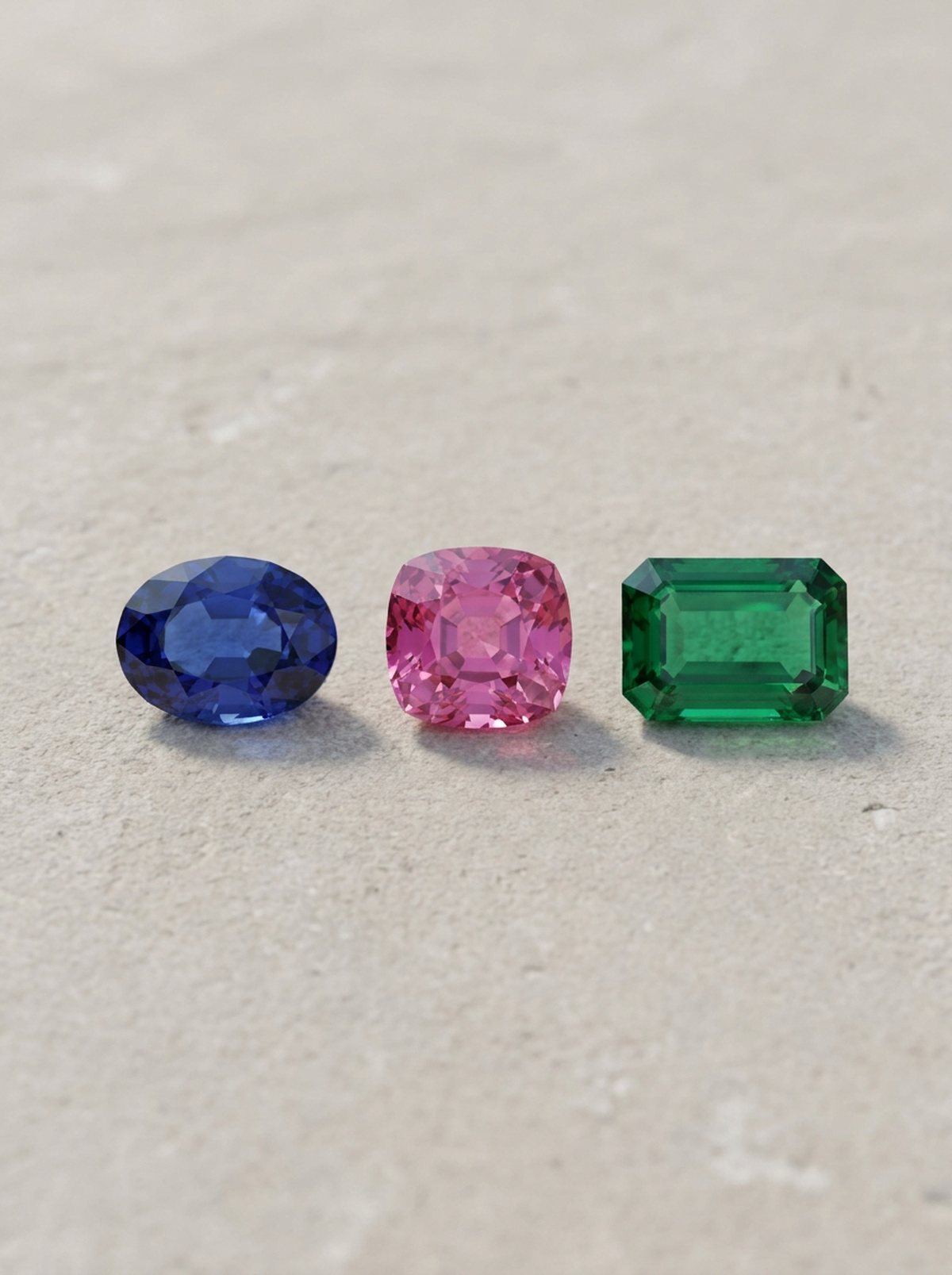
Facets come in two families. Brilliant facets are triangles and kites that radiate from the center; they break light into many small points and sparkle. Step facets are long rectangles laid parallel to the edge of the stone, like the steps of a staircase; they give fewer, broader flashes and show the color and the inside of the stone more plainly.
Many colored stones mix the two, with brilliant facets on the top, called the crown, and step facets on the bottom, called the pavilion. The outline is a separate choice.
Oval
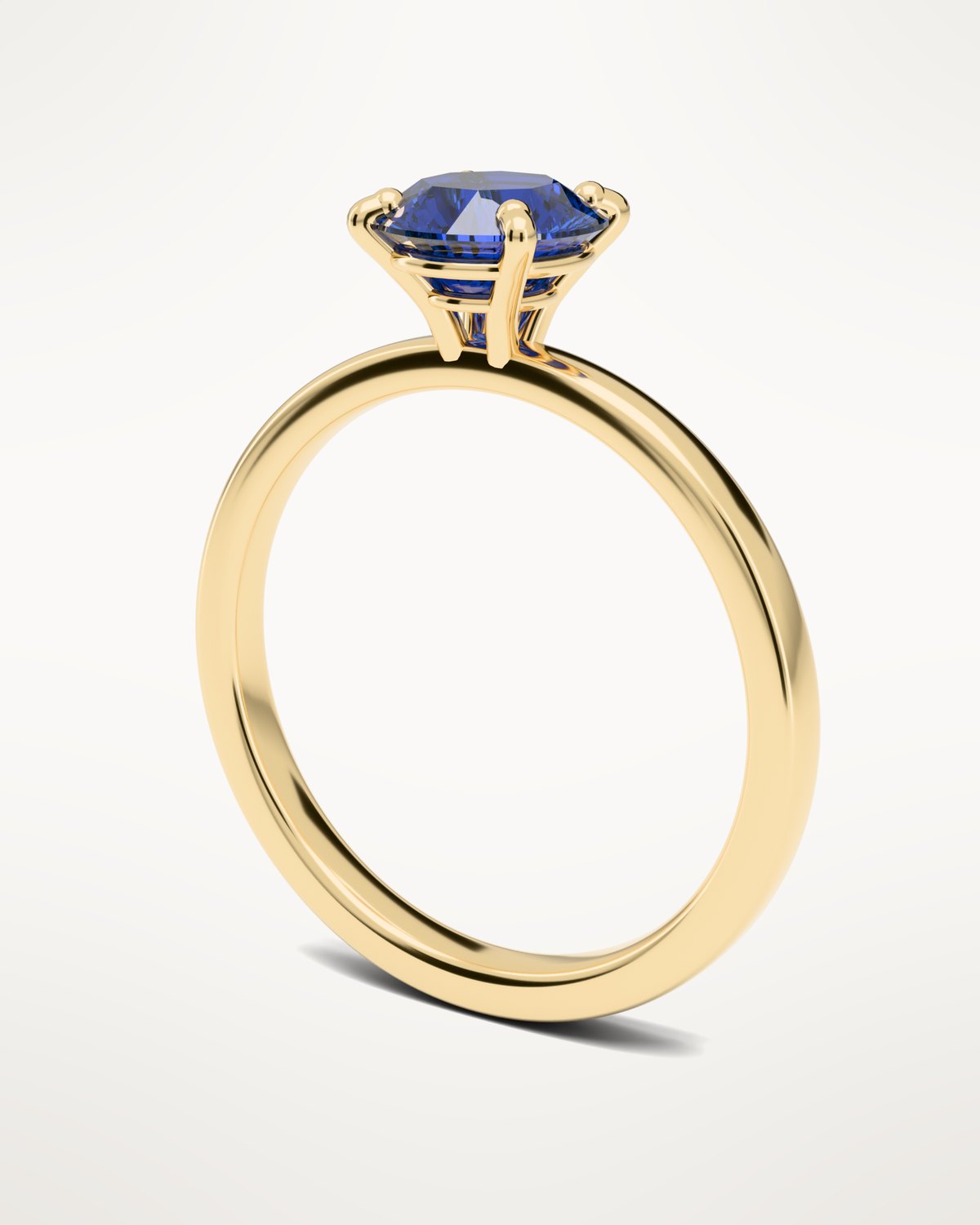
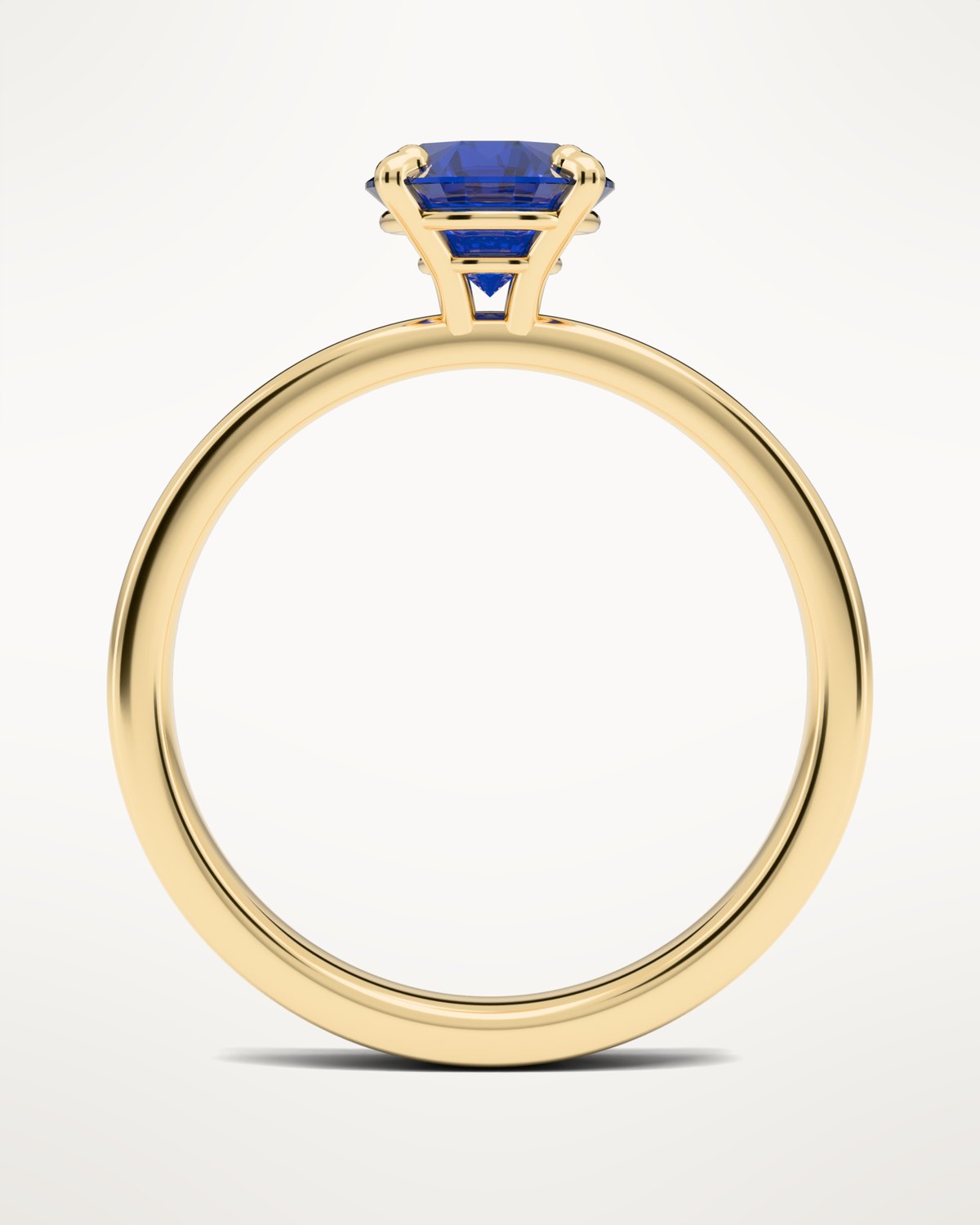
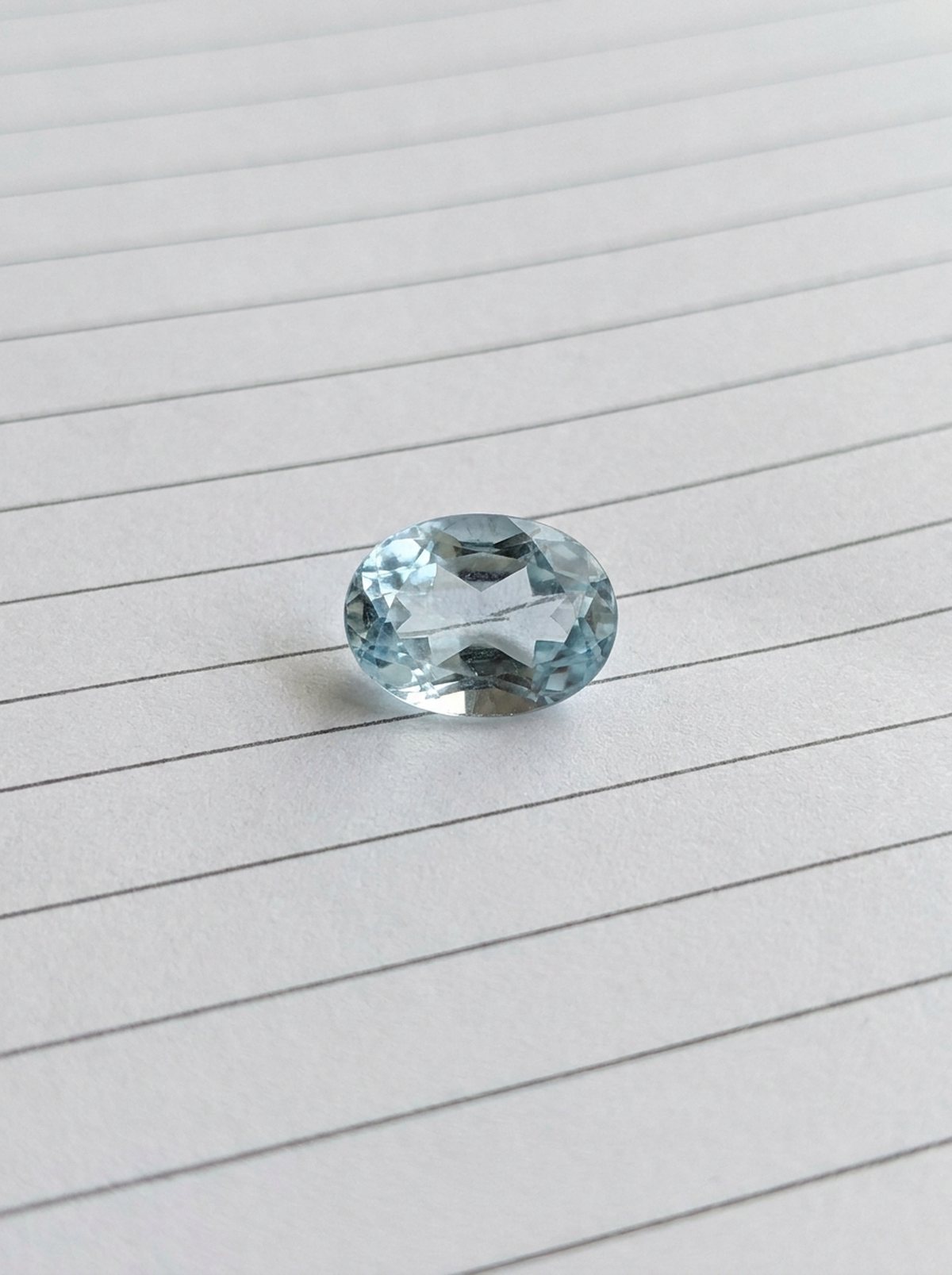
An oval is a stretched brilliant. It faces up larger than a round stone of the same weight, and on a finger it makes the hand look longer. It is one of the most common shapes for ruby and sapphire because it suits the shape of much of the rough and keeps weight.
Many ovals show a bow tie, a dark band across the middle where light leaks out of the bottom instead of coming back up. A faint bow tie is normal. A heavy one is a cutting fault, and you can see it in a photo or video.
Cushion
A cushion is a square or rectangle with rounded corners and gently curved sides. It is one of the oldest shapes still in use, and it is common in sapphire and spinel because cutters can follow the rough closely and keep weight. Cushions look softer and a little more traditional than ovals.
Emerald cut
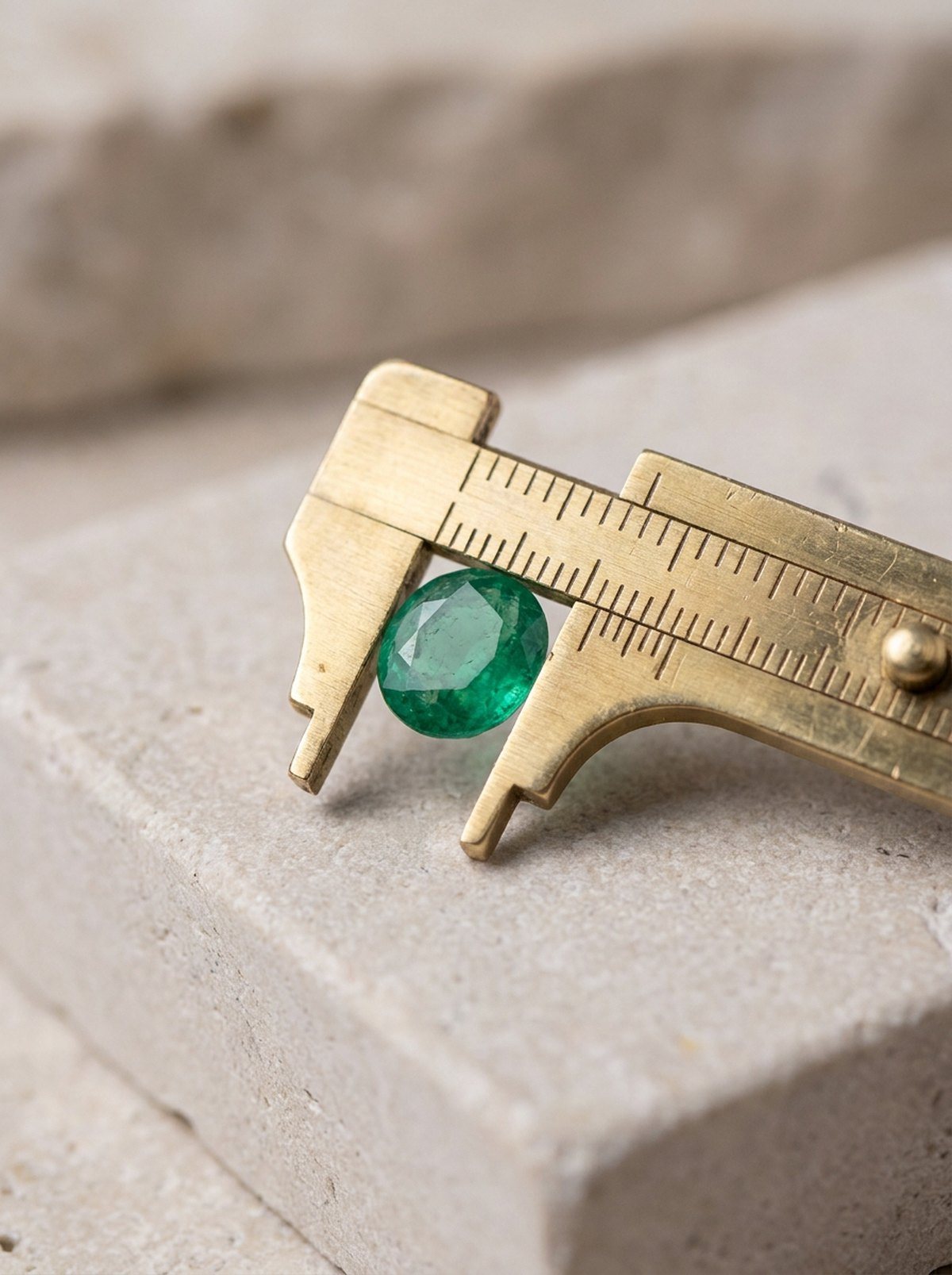
An emerald cut is a rectangle of step facets with the corners clipped off. The clipped corners protect a stone from chipping, which is one reason the cut suits emerald. Step facets show inclusions plainly, so the cut is used for very clean stones, or for emerald, where some inclusions are expected.
An emerald cut shows color as a calm, deep field with long flashes. The Verdant Pendant uses one.
Round
Round stones waste the most rough in cutting, so a round colored stone usually costs more per carat than an oval of the same material and quality. Rounds suit studs and bezels, where a symmetrical outline matters most.
Filed under Cuts · July 10, 2026