Journal
Notes on stones, settings and making
Short, plain articles on what makes one stone different from another, how gold is mixed, and how a ring goes from a drawing to a finished piece.
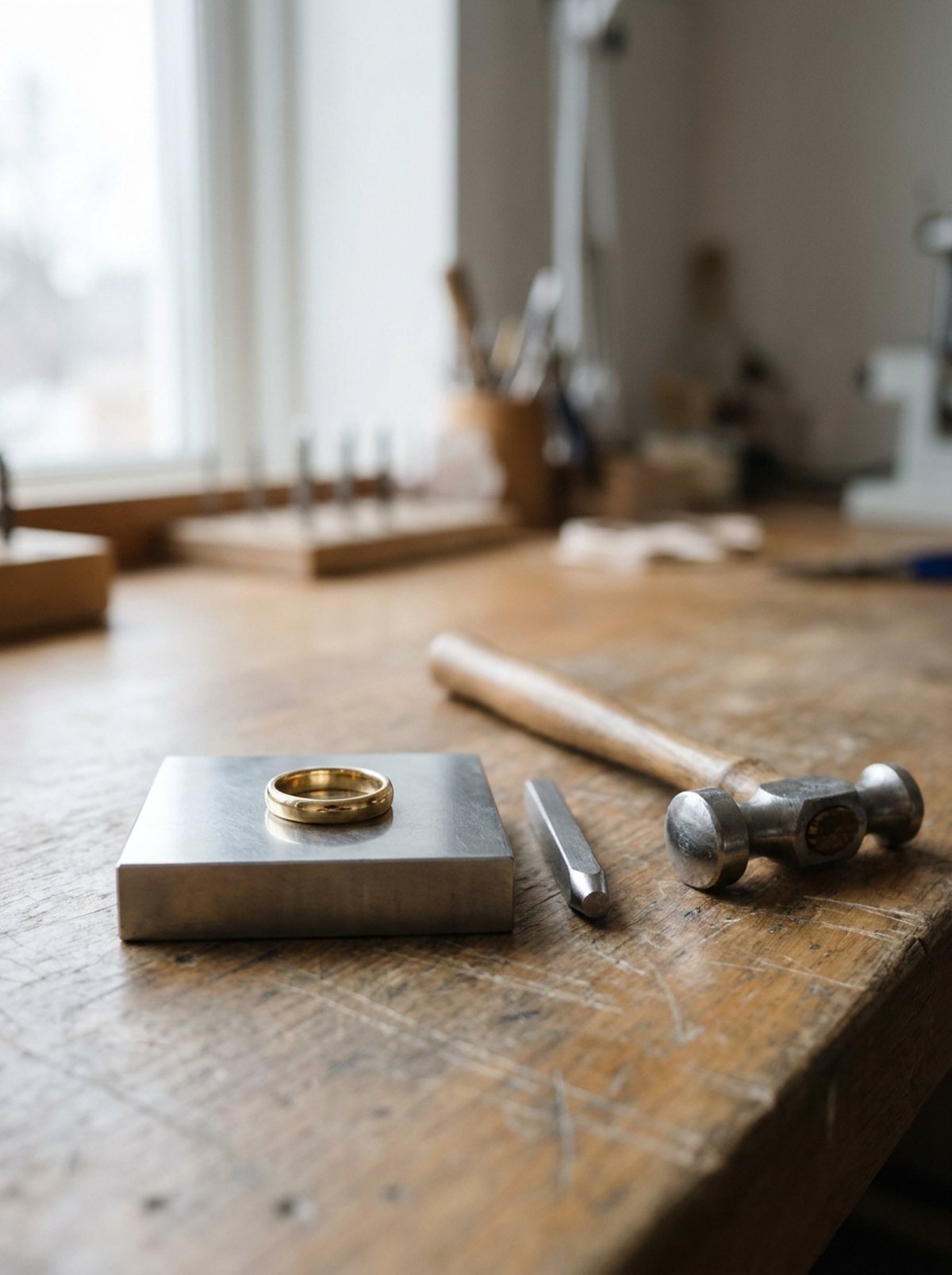
Hallmarks and stamps
What the small marks inside a ring mean, which ones the law requires, and which ones mean a piece is not solid gold.
- A fineness mark such as 14K or 585 states how much gold the metal contains.
- UK law requires gold to be hallmarked by an assay office, and US law requires no fineness mark.
- Stamps such as GF, GP, HGE and Vermeil mean gold filled or gold plated metal.
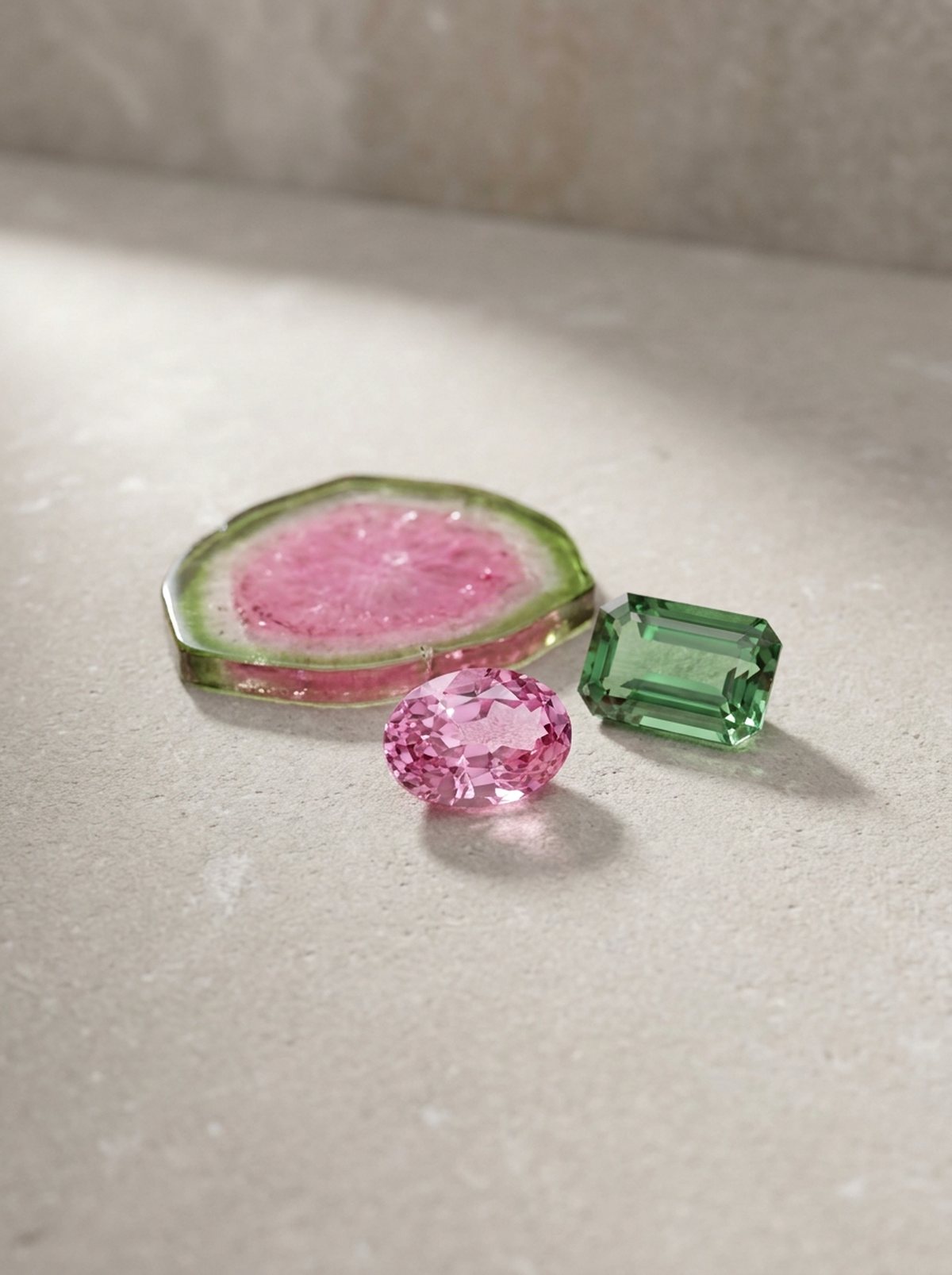
Tourmaline comes in every color
One mineral group, more colors than any other gem, and a stone whose color changes with the direction you look into it.
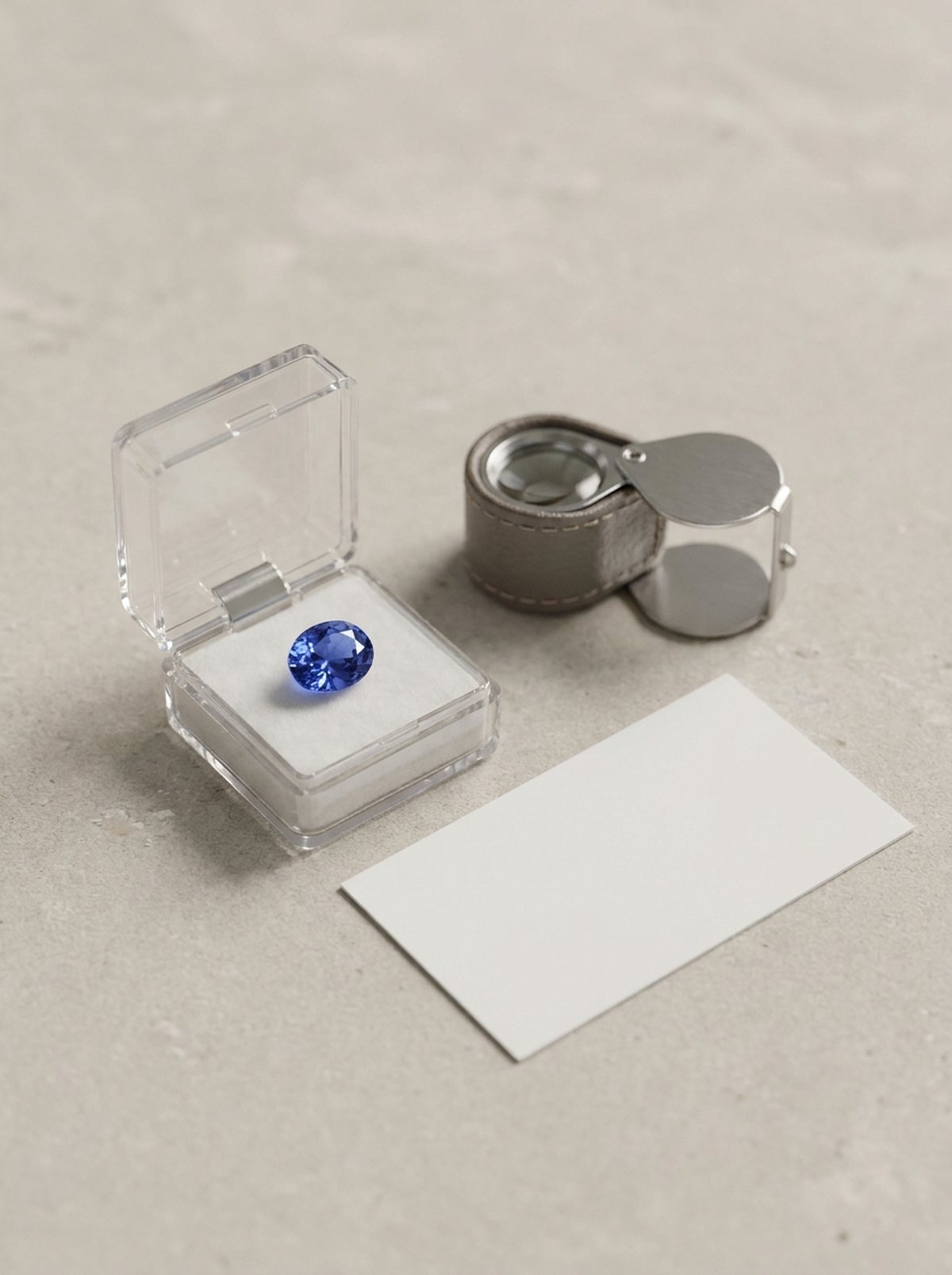
Reading a gem report
What a lab report on a colored stone tells you, what it doesn't, and when it is worth paying for one.
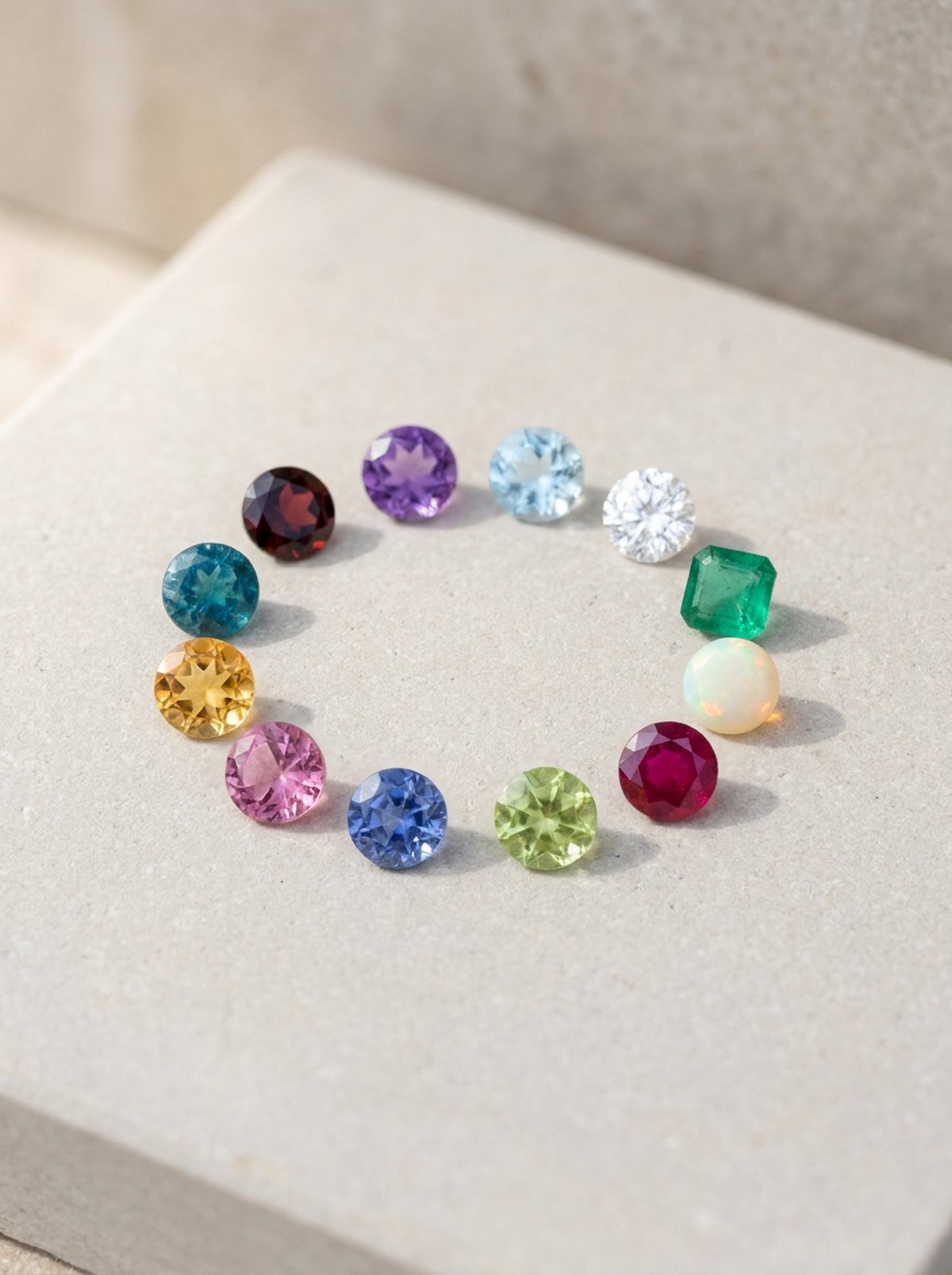
Who decided the birthstones?
The list most American jewelers use was agreed at a trade meeting in 1912, and trade groups have revised it since.
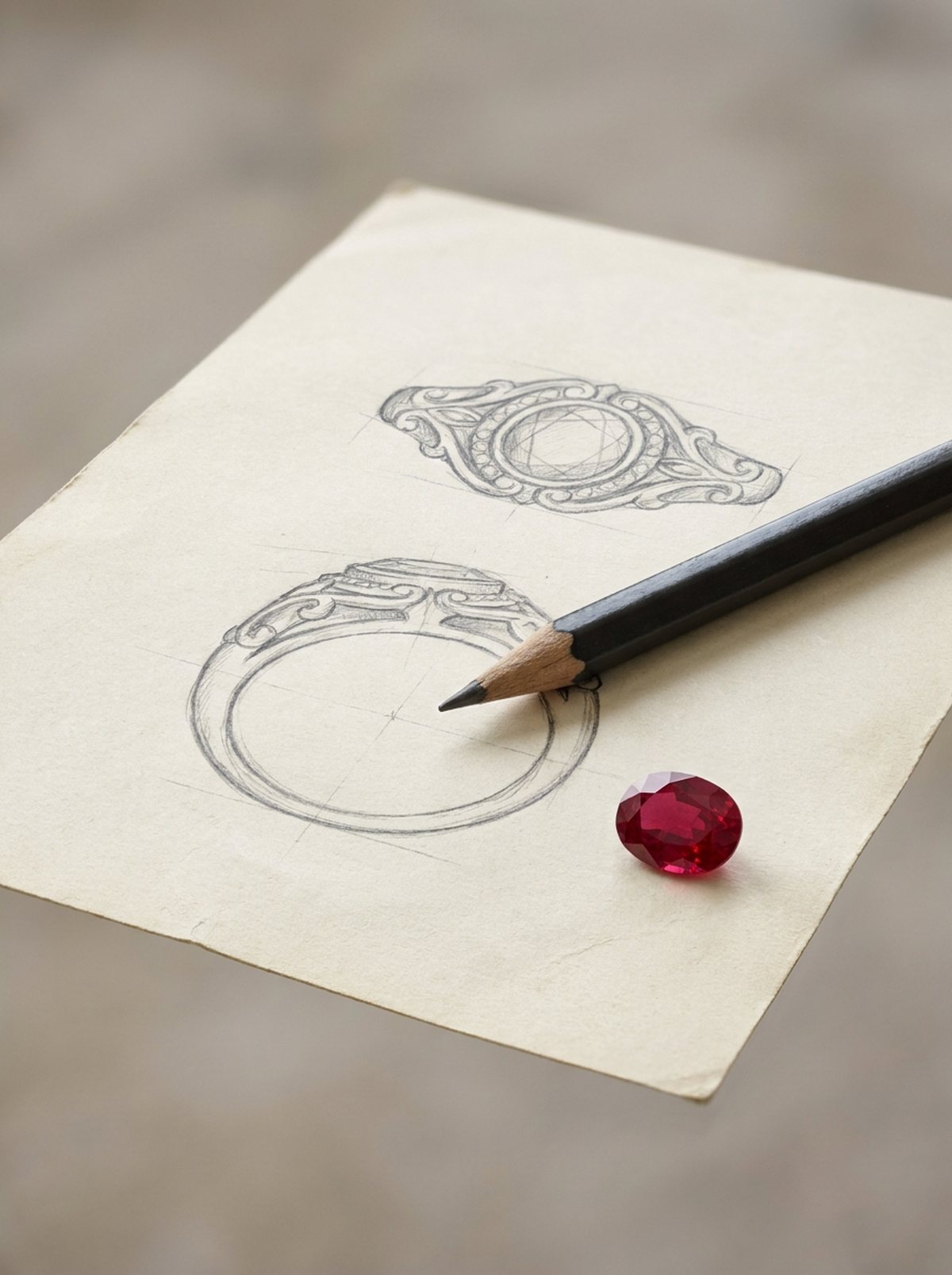
From drawing to model
How a setting is designed around one particular stone, in four steps, before any metal is cast.
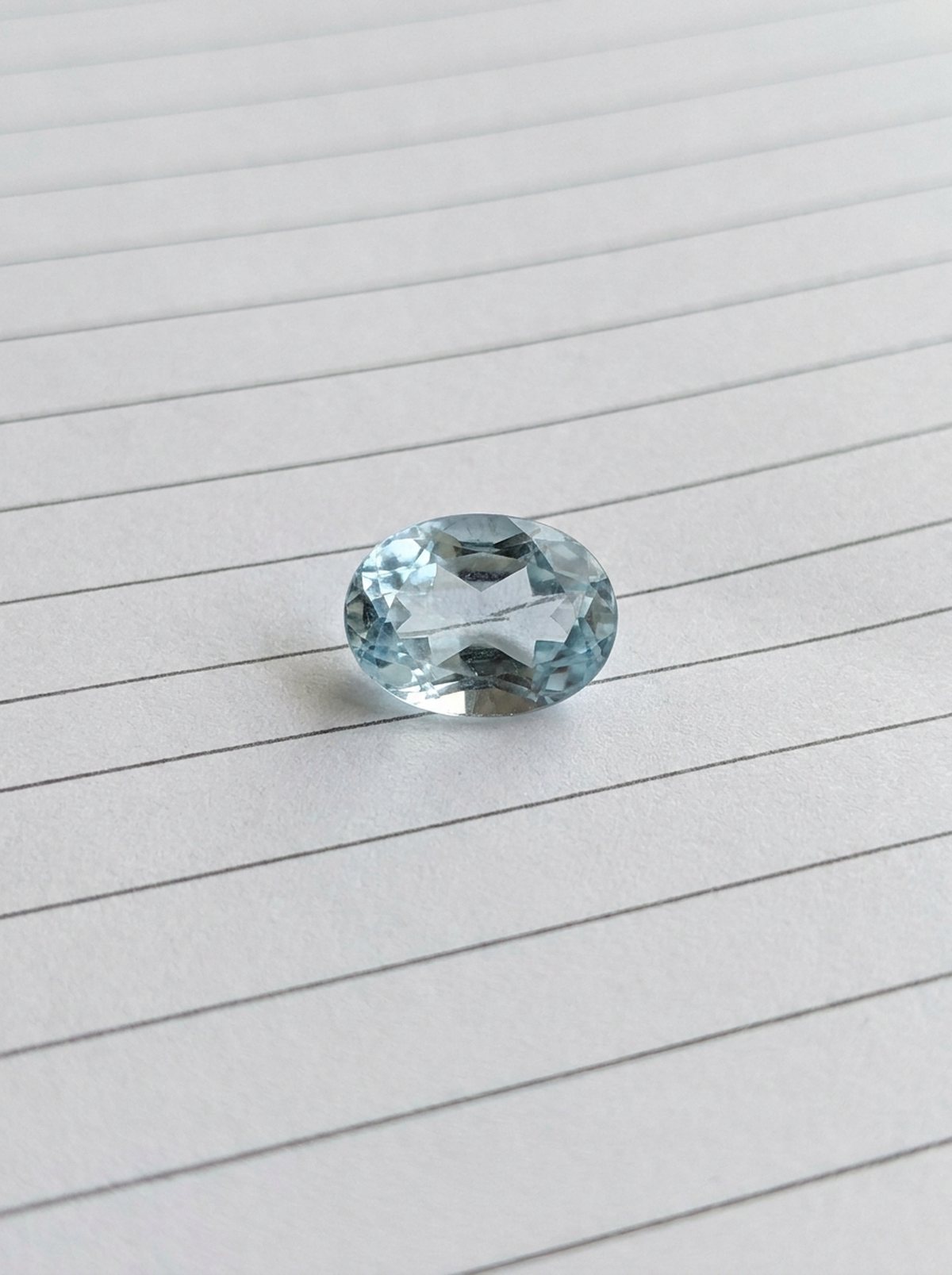
Windows and deep bellies
Two cutting faults that are easy to spot once you know them, and why cutters make them.
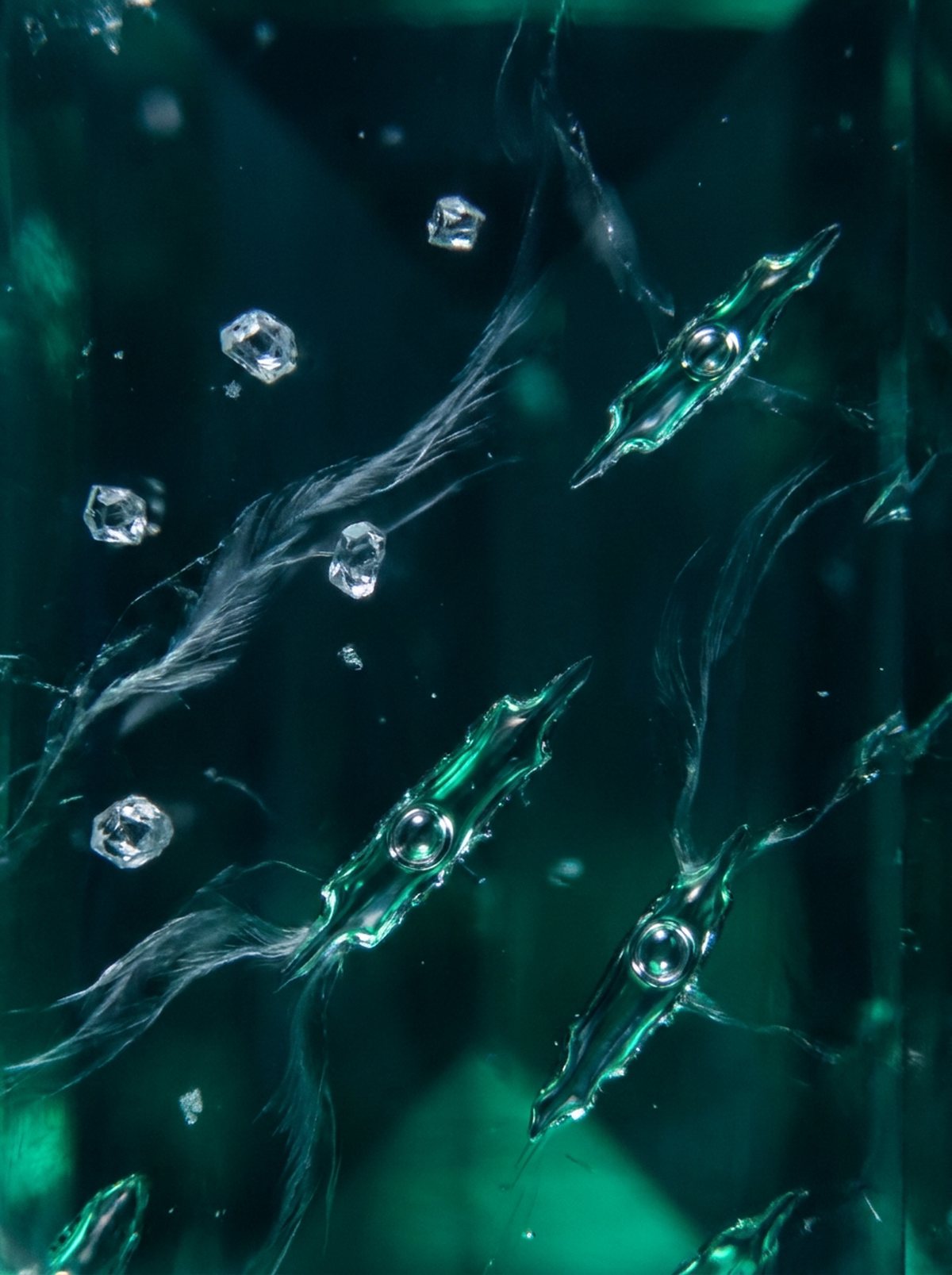
Silk, needles and gardens
What the inclusions inside colored stones are, which ones lower the price, and which ones show a stone is natural.
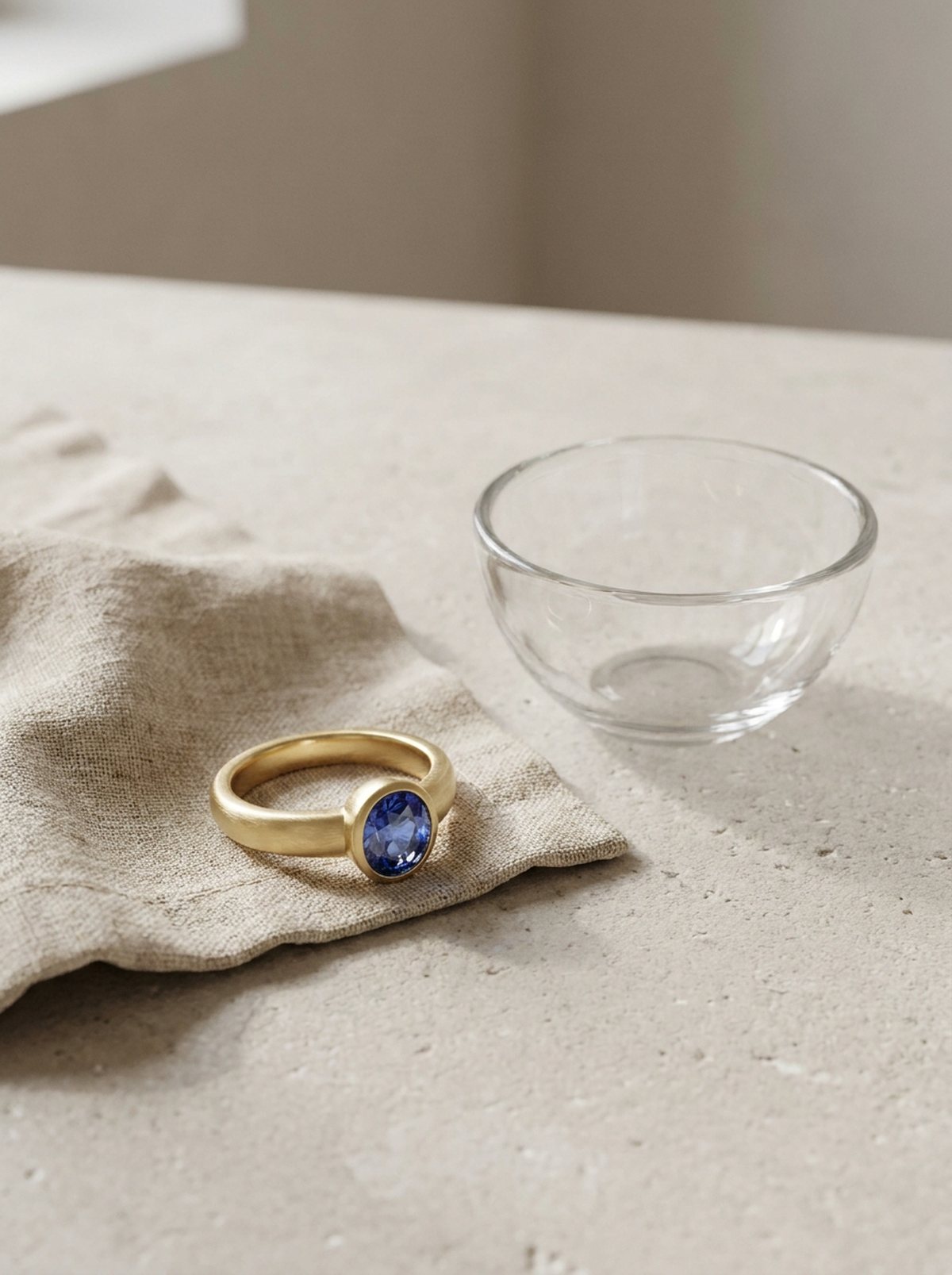
Cleaning colored stones at home
Lukewarm water, mild soap and a soft brush clean most pieces safely. A few stones need gentler handling.
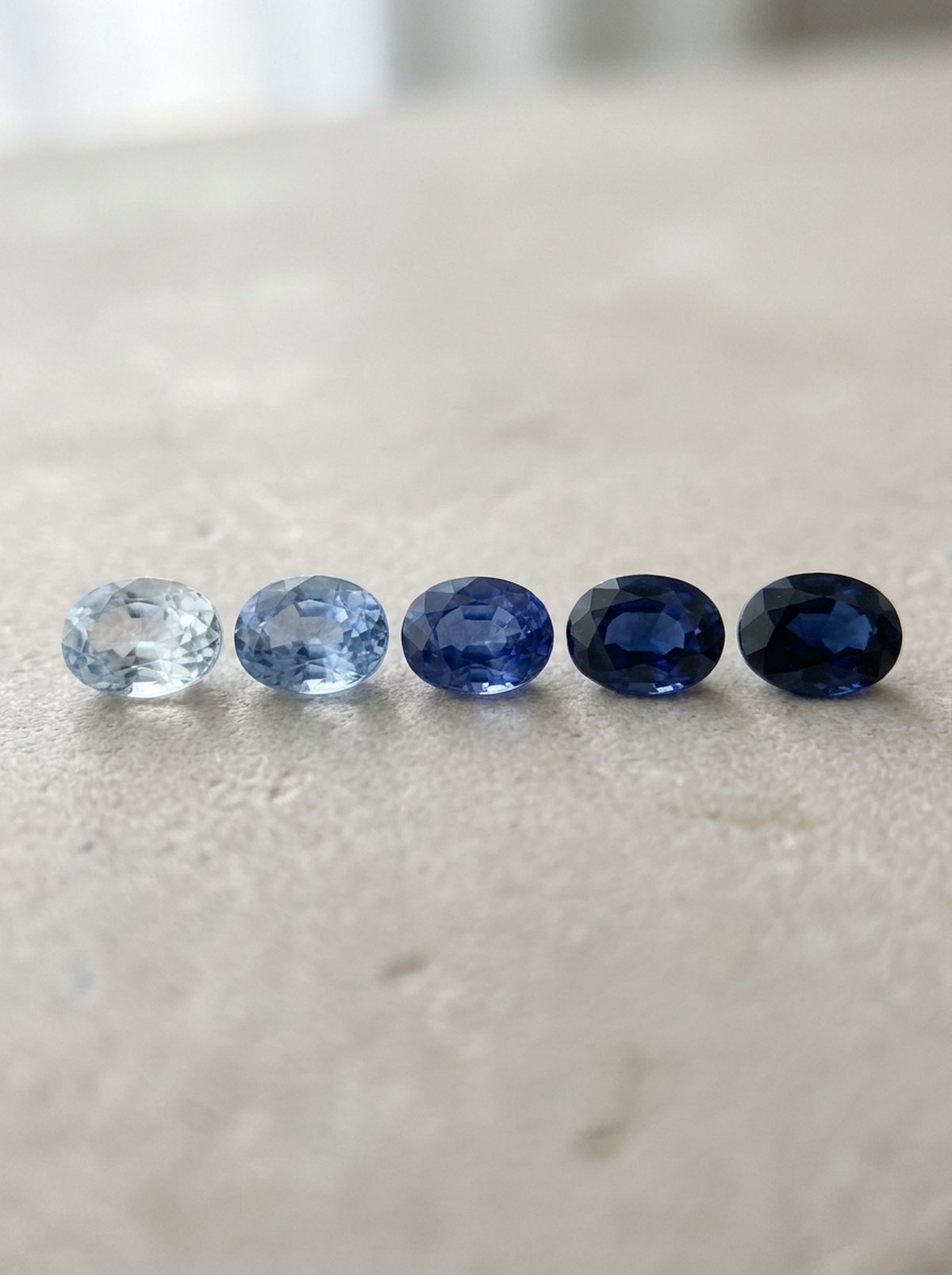
Hue, tone and saturation
Three words for describing the color of a stone, and why the same stone looks different under different lights.
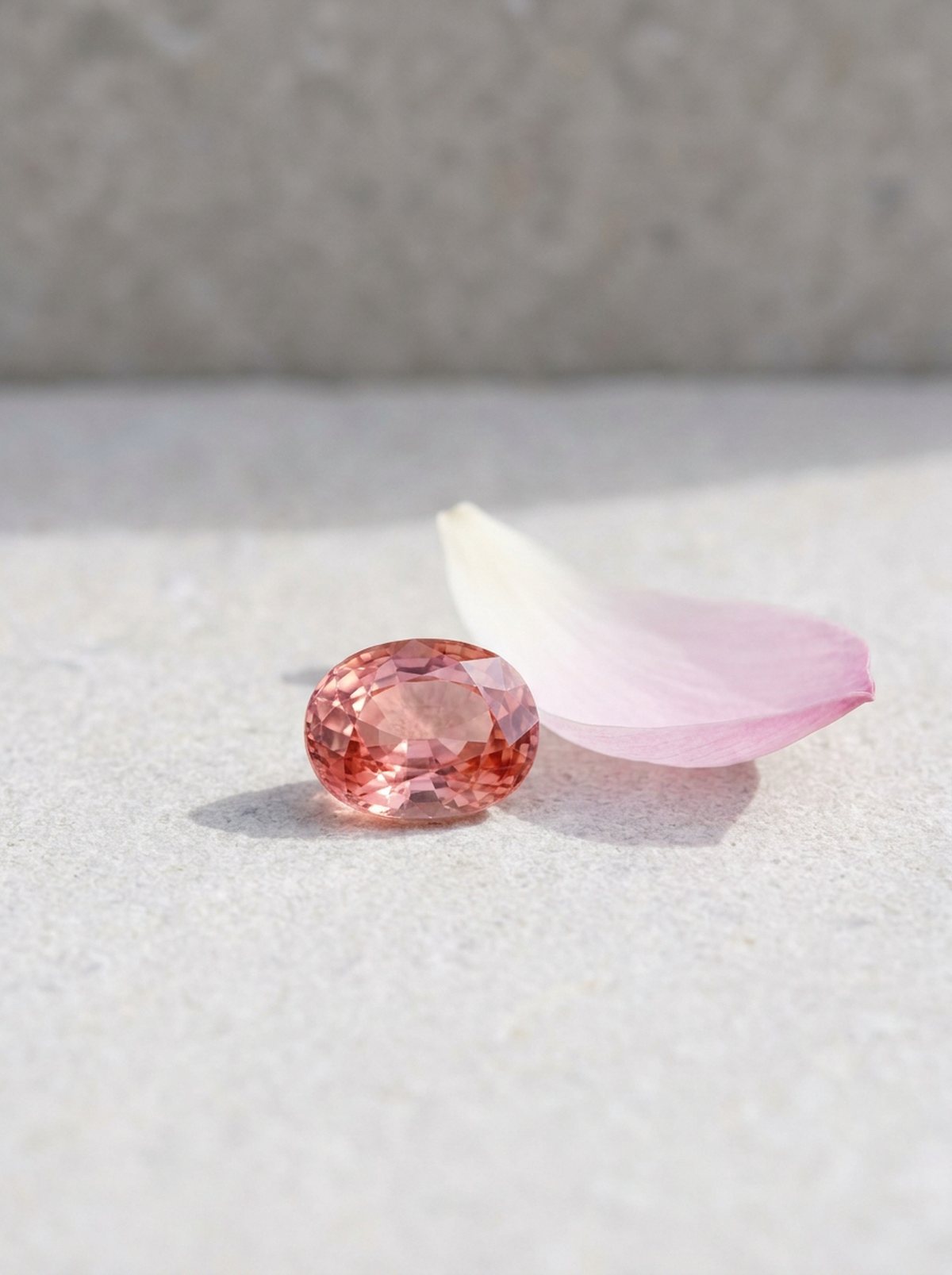
Padparadscha: a sapphire named after a lotus
A pink-orange sapphire with a Sinhalese name and a long argument about where it begins and ends.
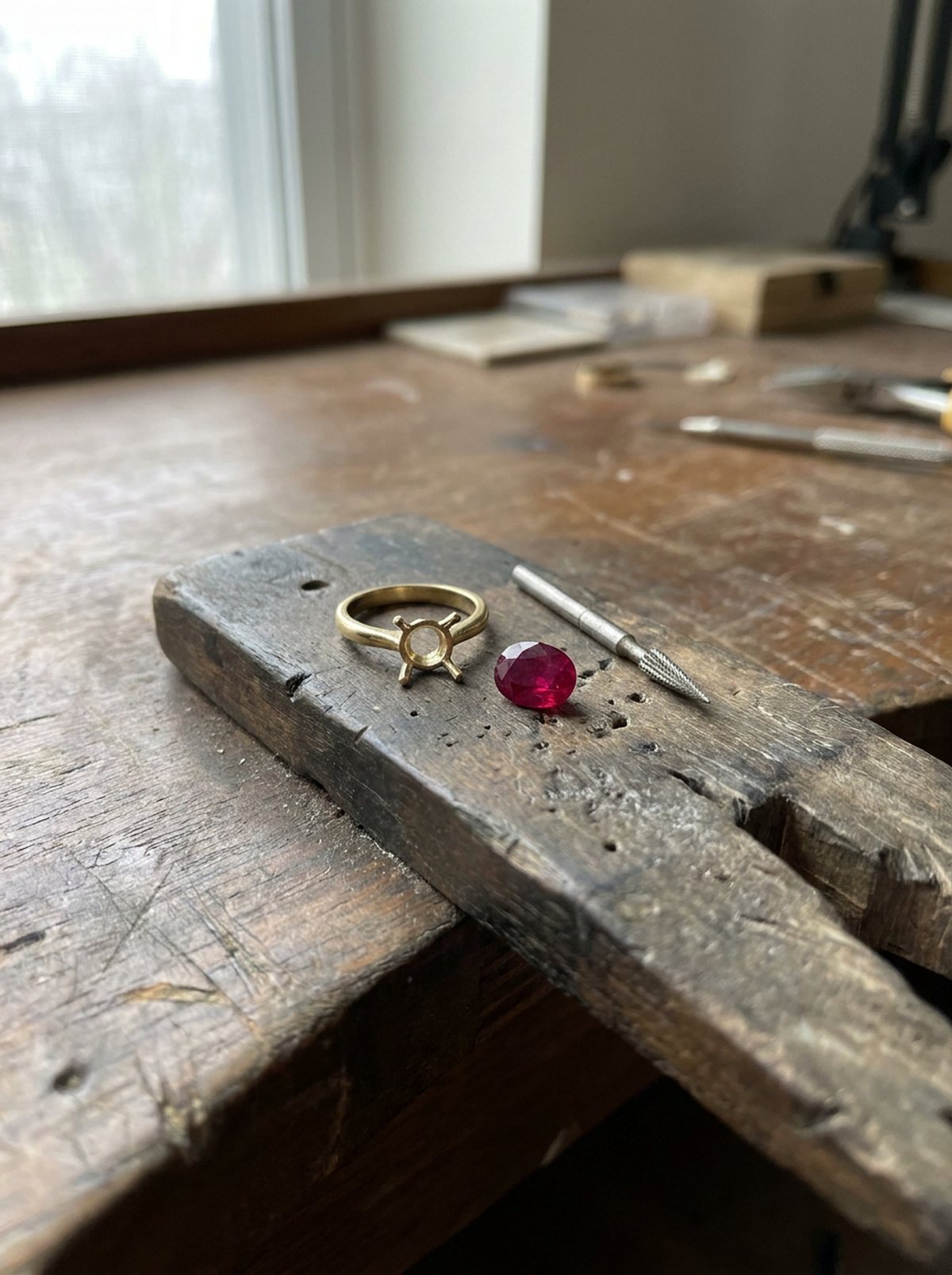
How a stone is set
Setting a stone in claws takes five steps and most of an afternoon. Each one is about fit.
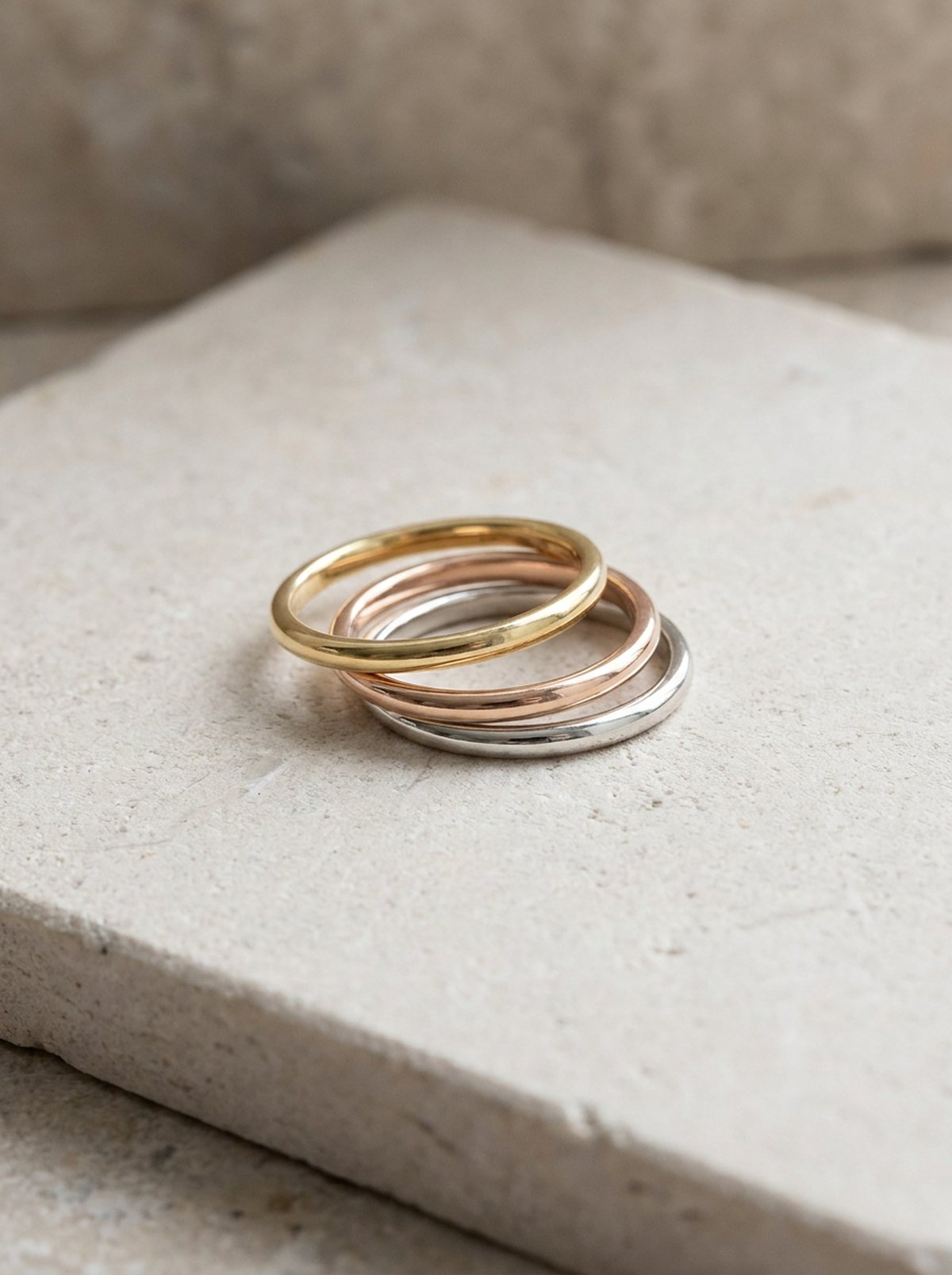
What's in yellow, rose and white gold
The color of gold jewelry comes from what it is mixed with. So do its hardness and whether it can irritate your skin.
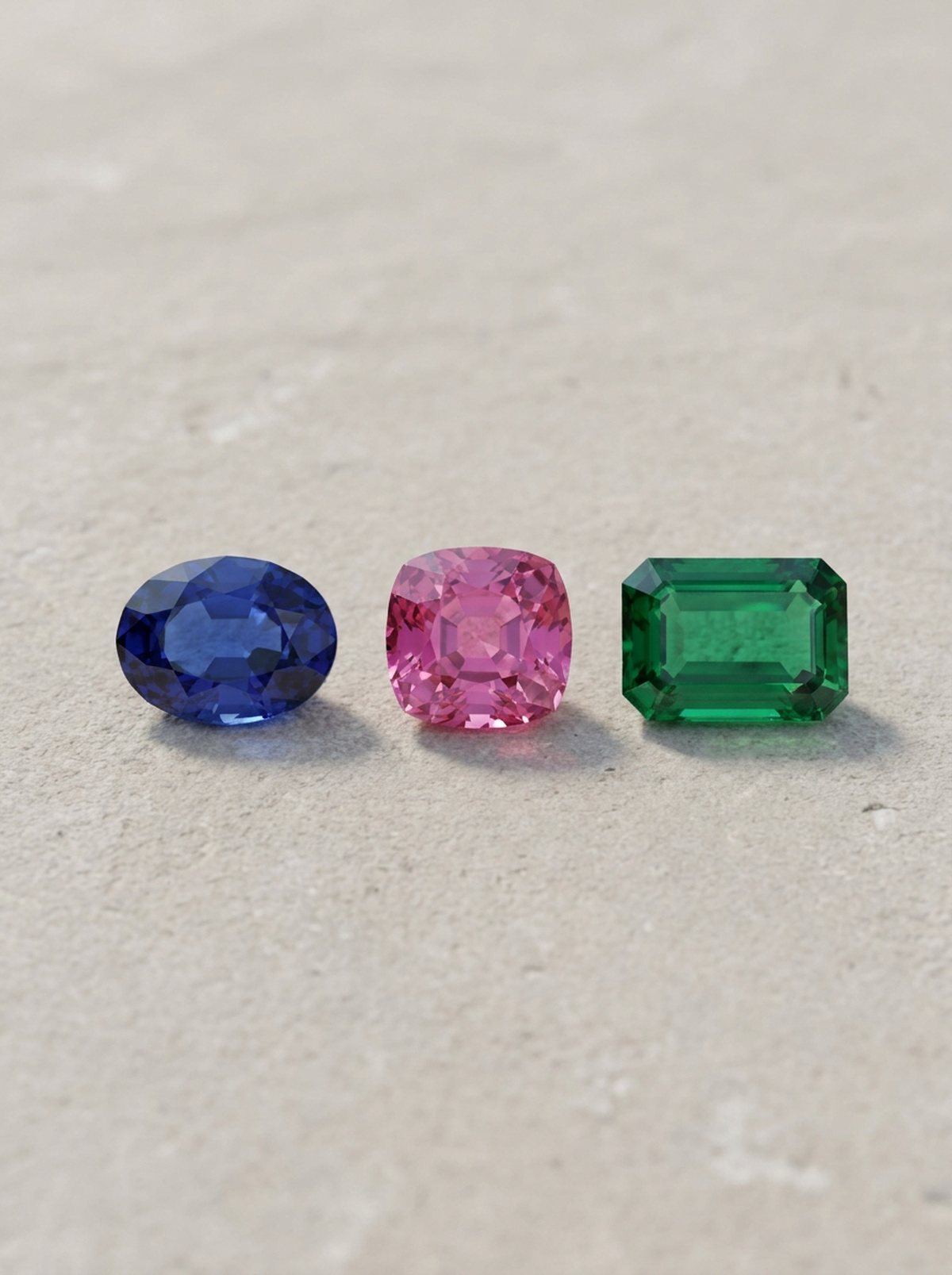
Oval, cushion or emerald cut
The cut decides whether a stone sparkles or shows broad flashes of color, and how large it looks for its weight.
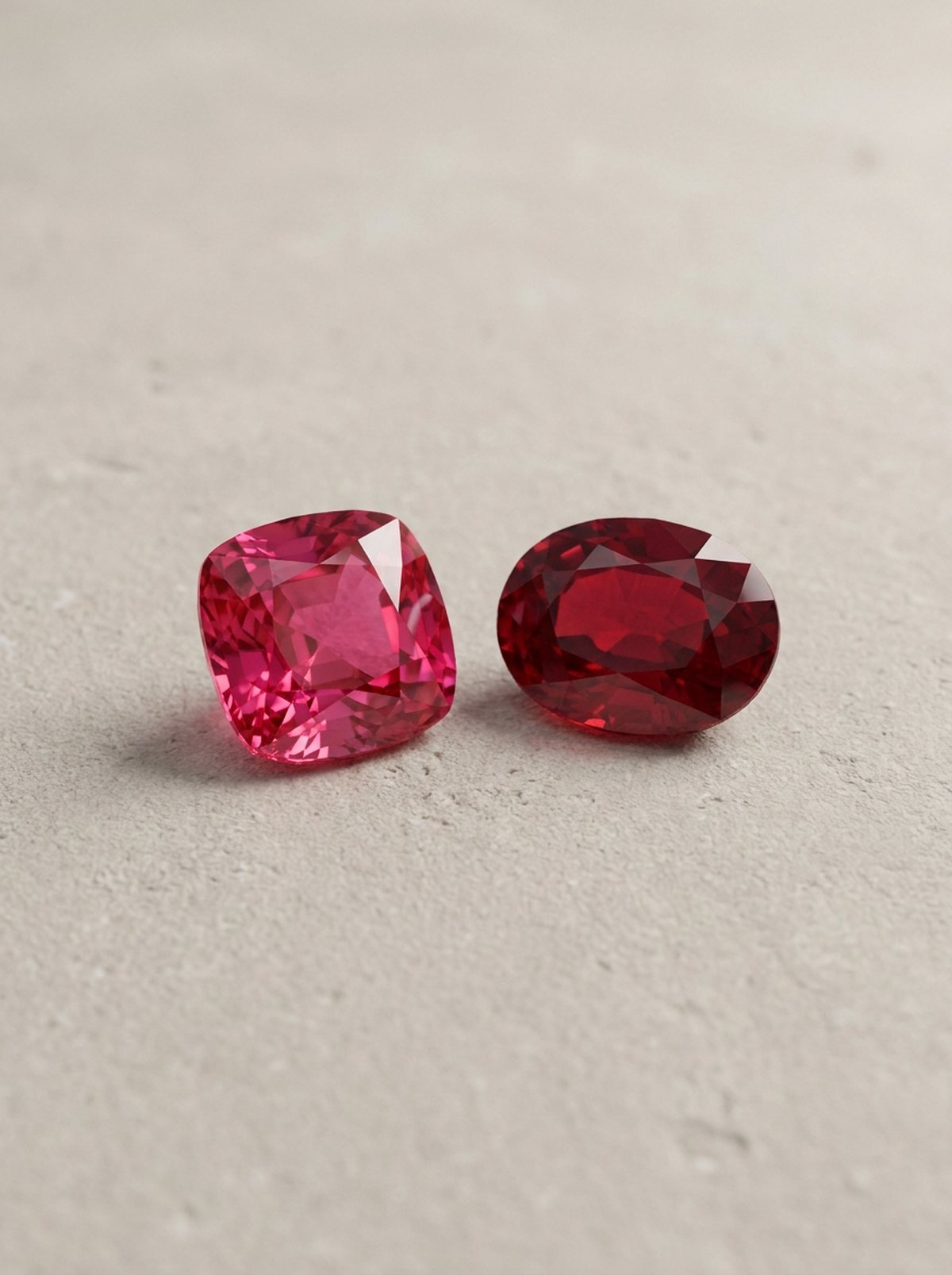
Spinel, the stone that was mistaken for ruby
Some of the most famous "rubies" in royal collections are red spinels. Mineralogists only began telling the two apart in the late 1700s.
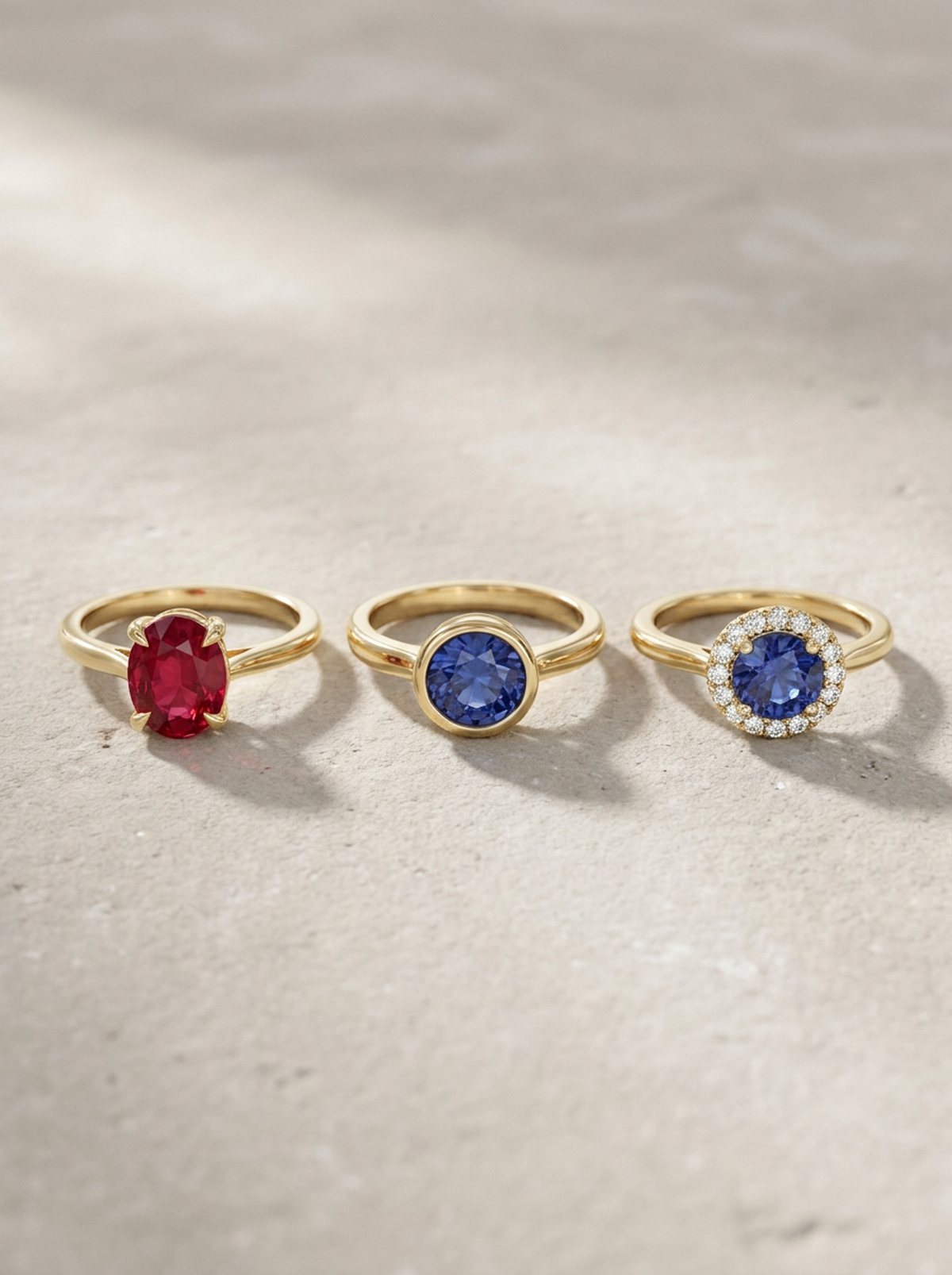
Claws, bezel or halo
Three ways to hold a stone. Each shows it differently and asks for different care.
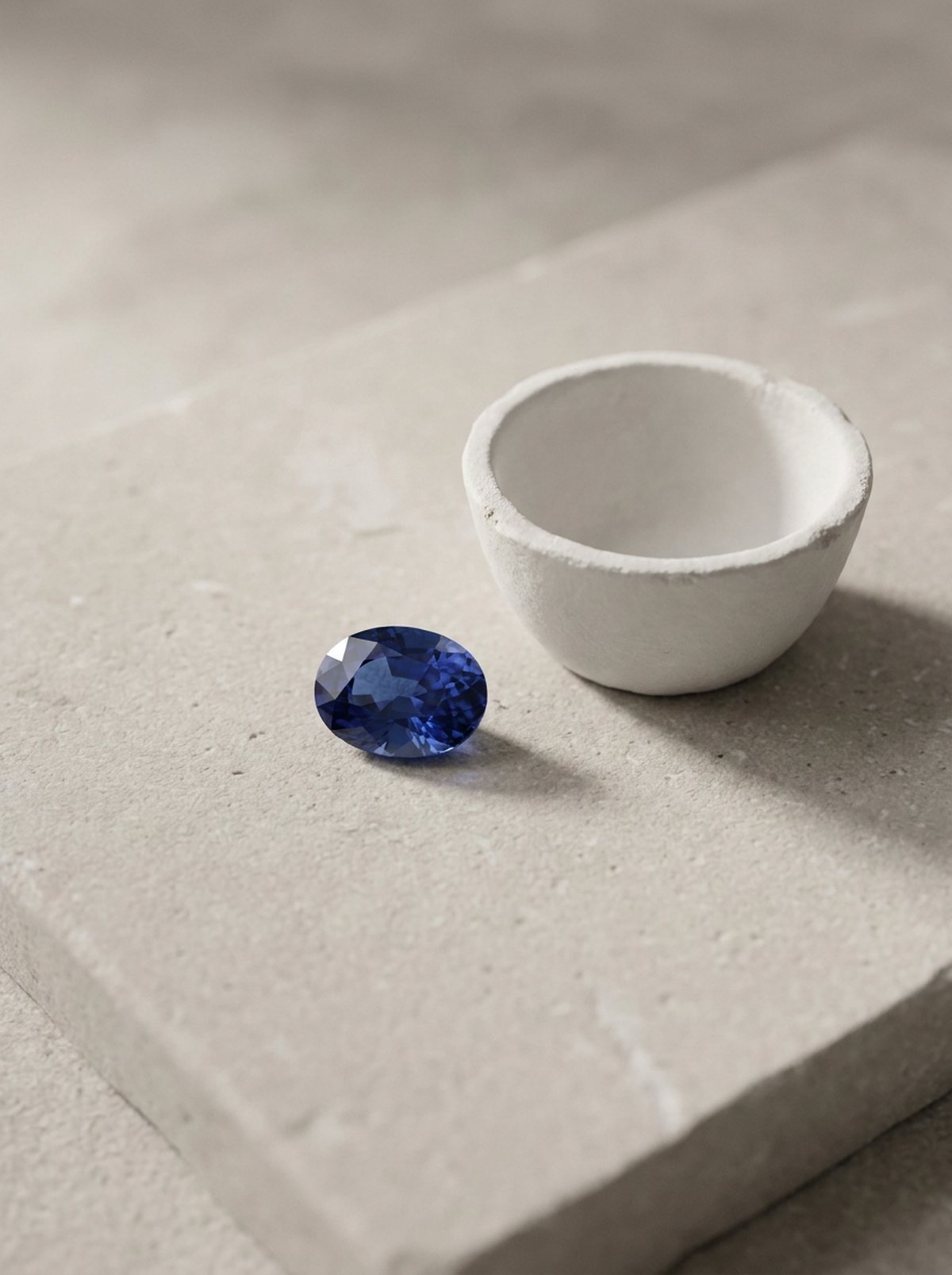
What "heated" means on a sapphire label
Most rubies and sapphires are heated after mining. The treatment is permanent and routine, and it changes the price.
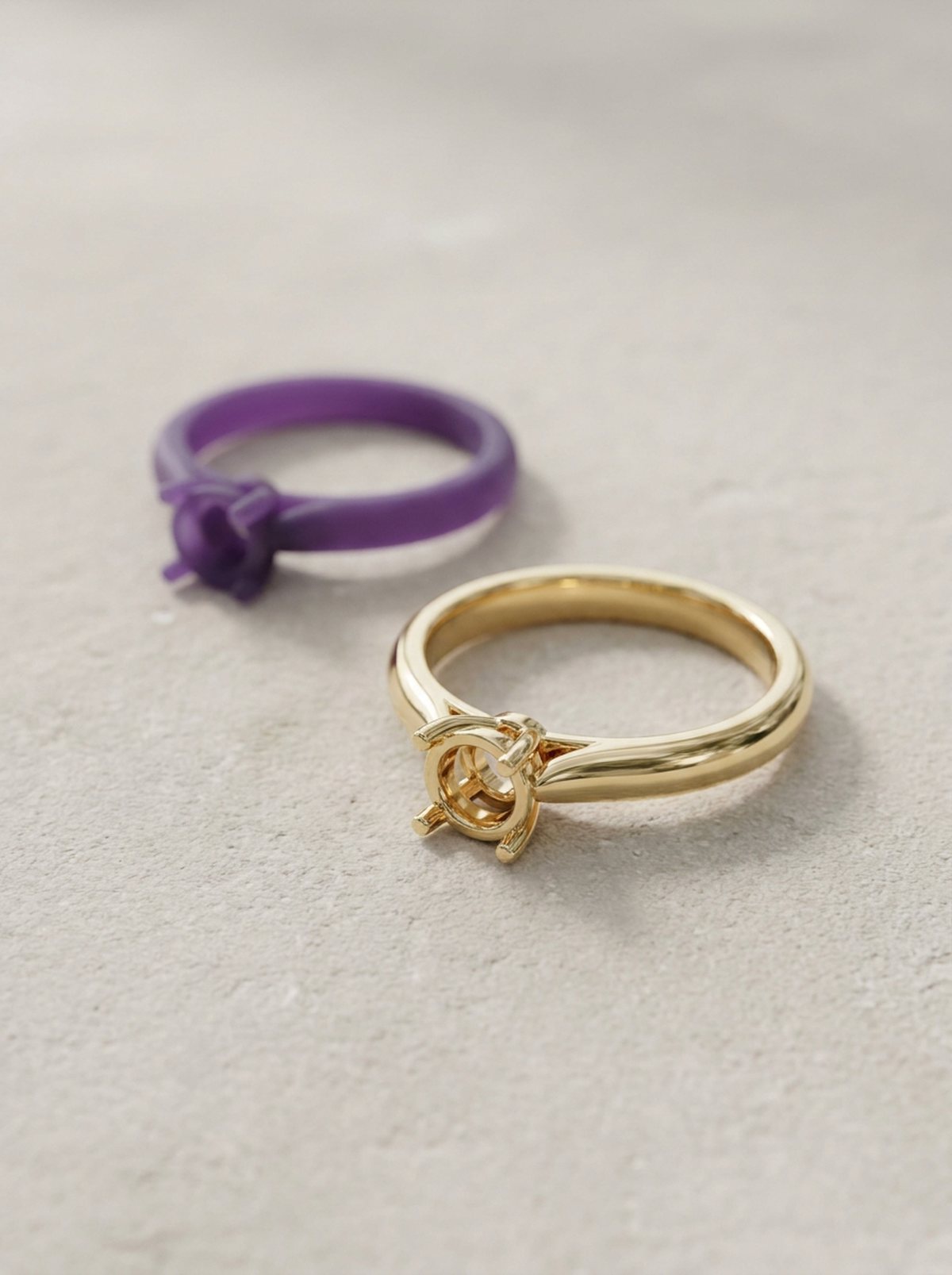
Lost-wax casting, start to finish
How a ring goes from a model on a screen to solid gold, and why the wax never comes back.
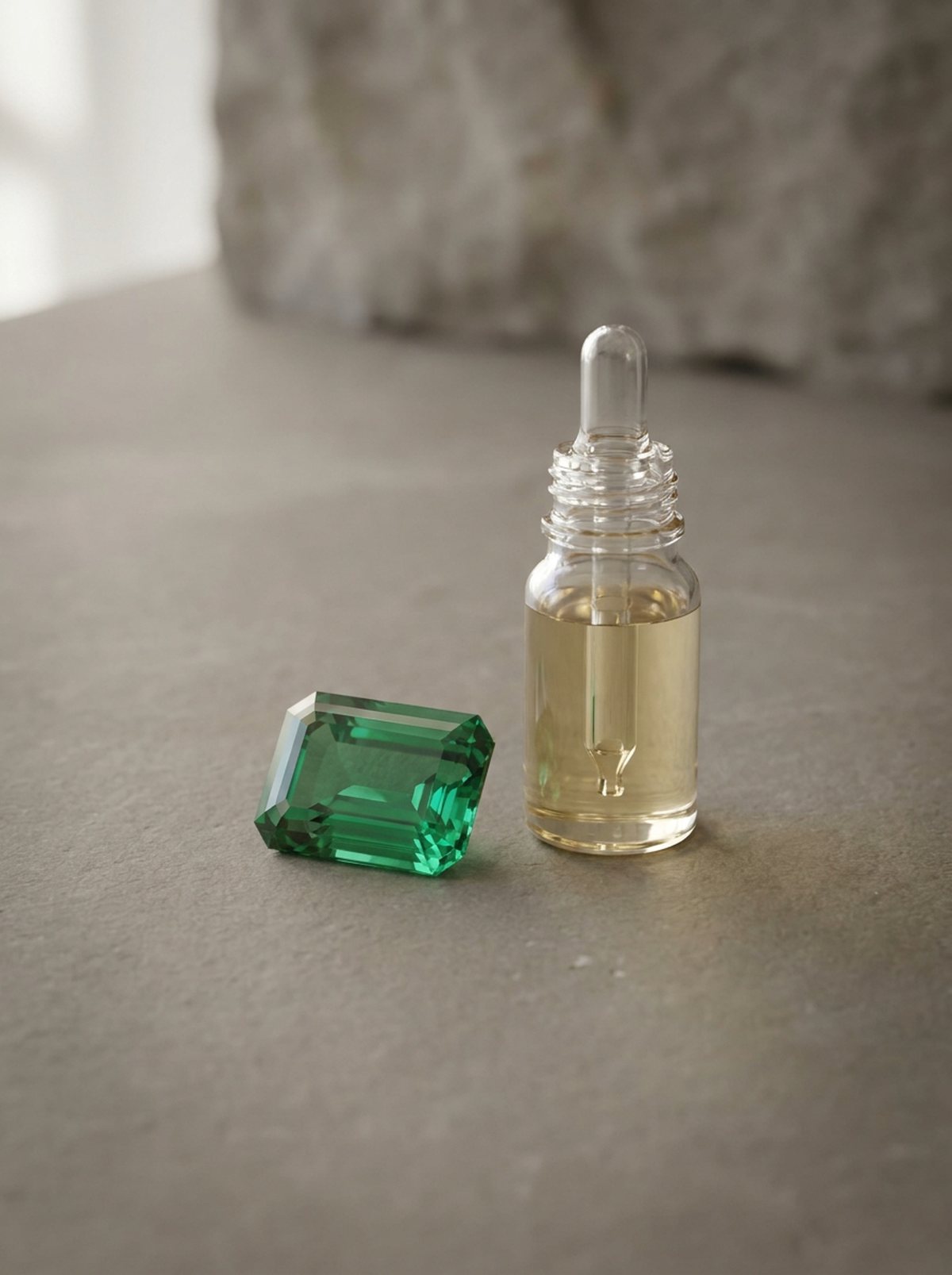
Why almost every emerald is oiled
Emeralds grow full of tiny fractures. Filling them is old, routine, and something every seller should tell you about.
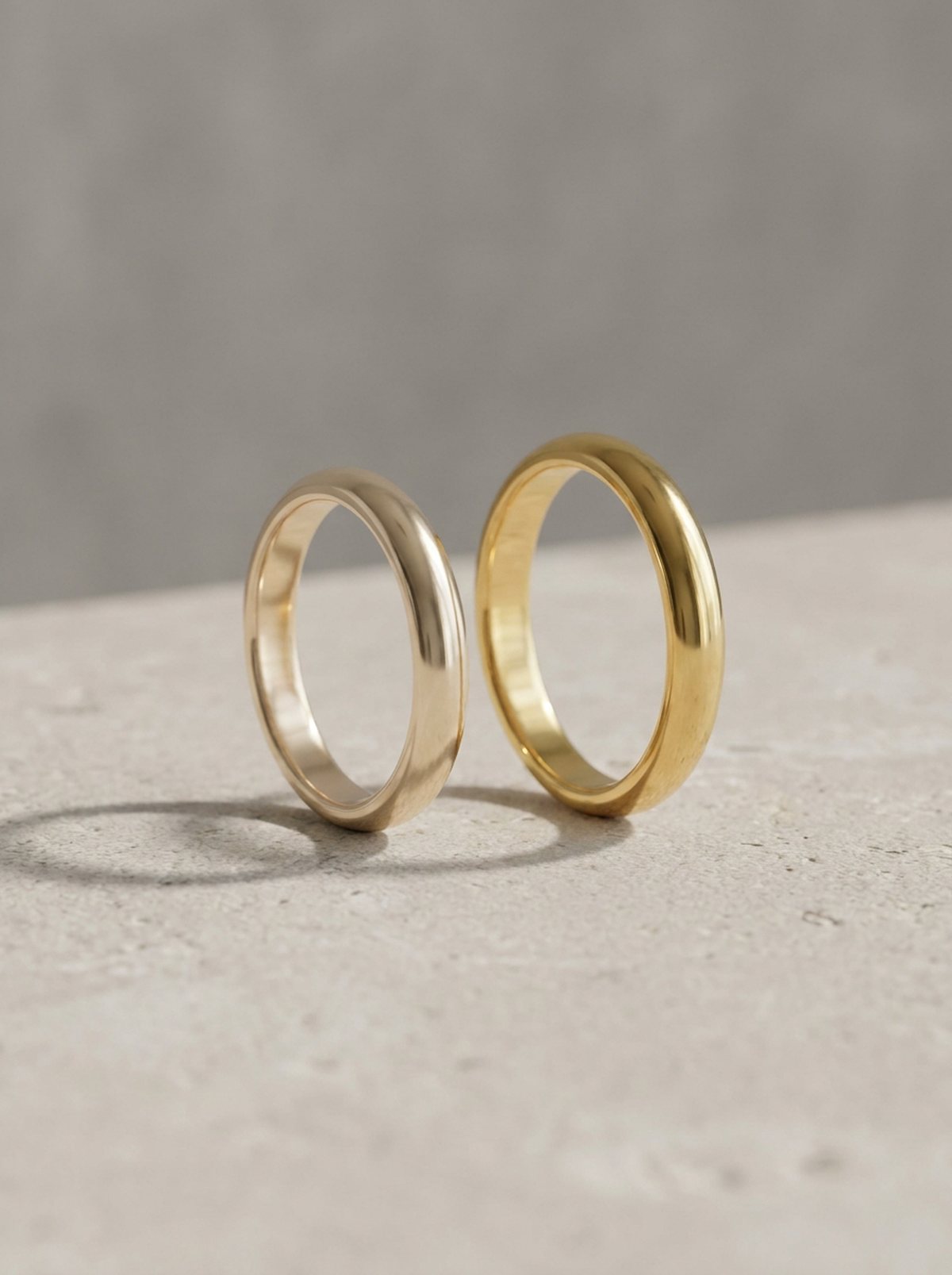
14k or 18k gold
The number is the share of gold in the metal. It changes the color, the hardness, the weight and the price.
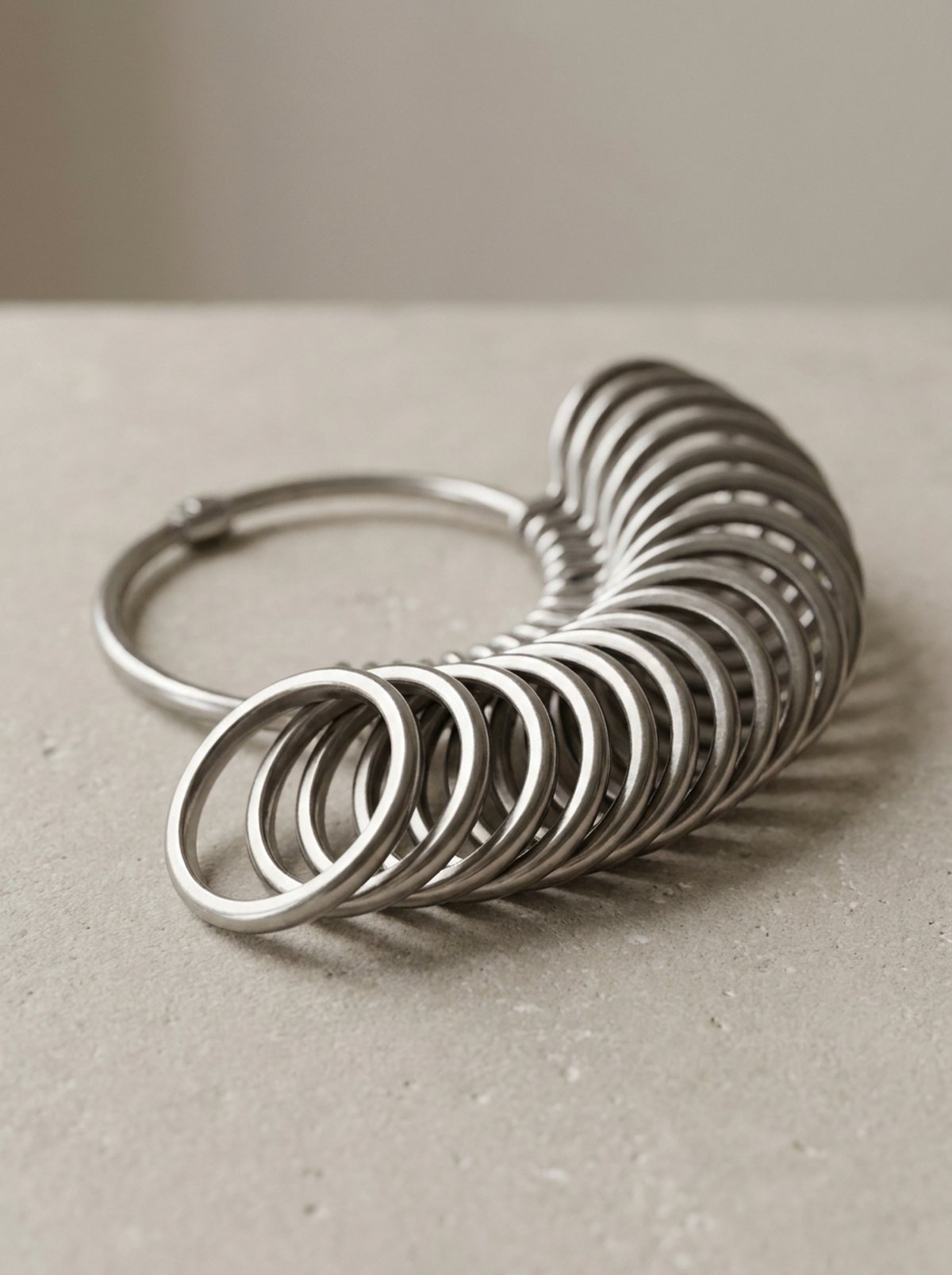
Measuring your ring size at home
The most reliable way is to measure a ring that already fits. Four steps, a ruler and a little care.
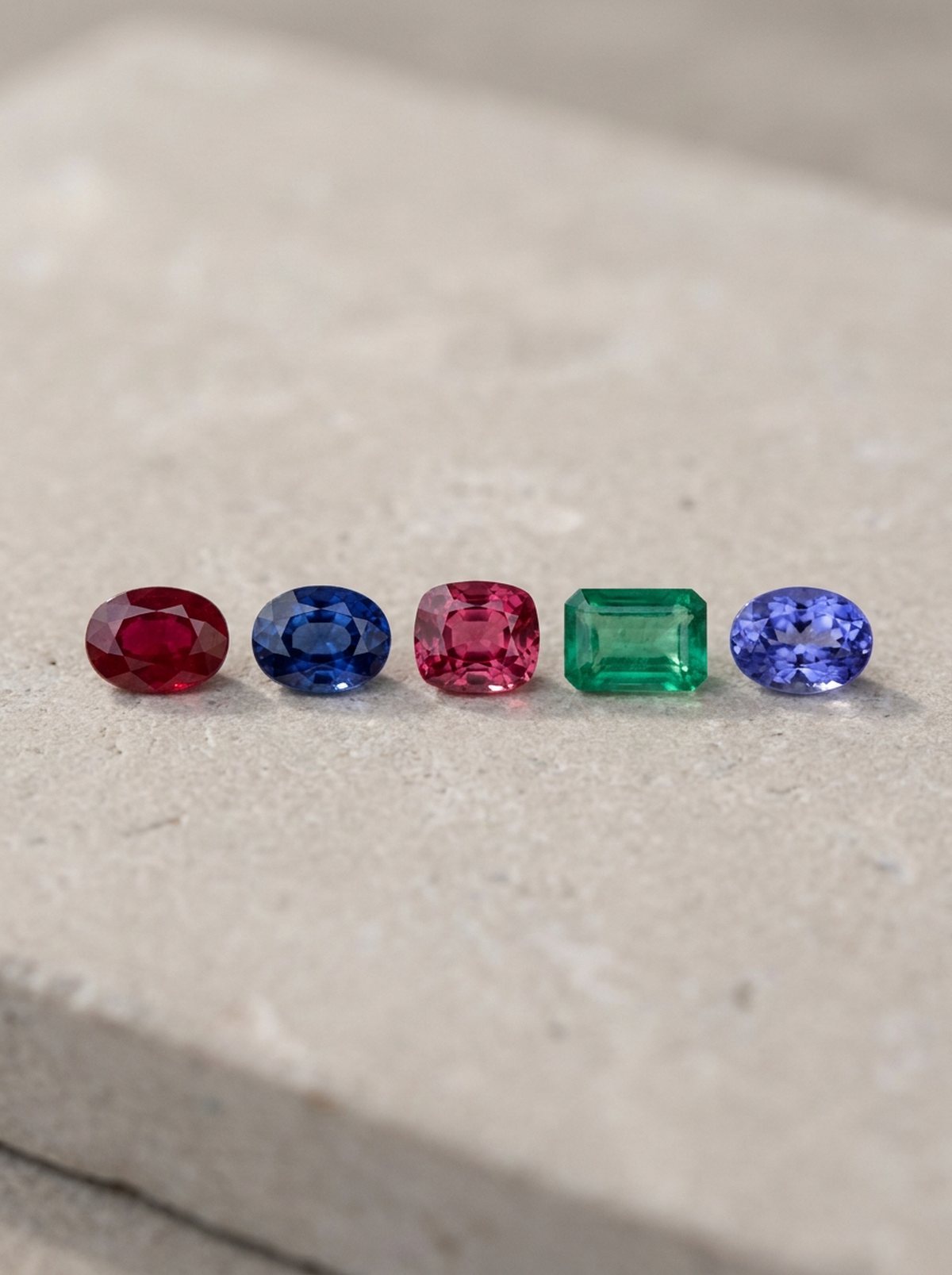
Hardness, toughness and an everyday ring
A stone for daily wear has to resist scratches and survive knocks. Those are two different properties.
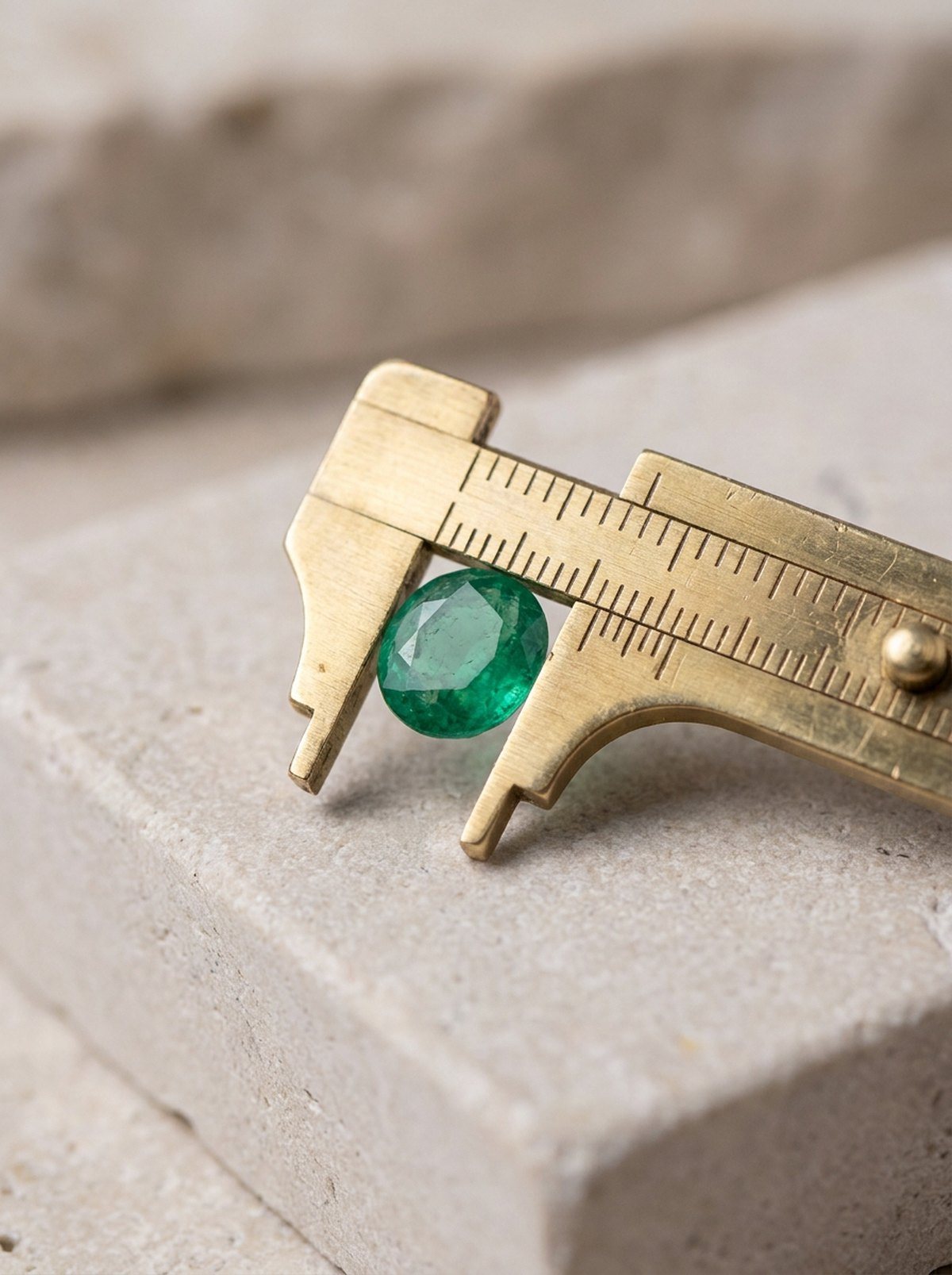
Why colored stones are sized in millimeters
A carat is a weight. Two stones of the same weight can look very different sizes.
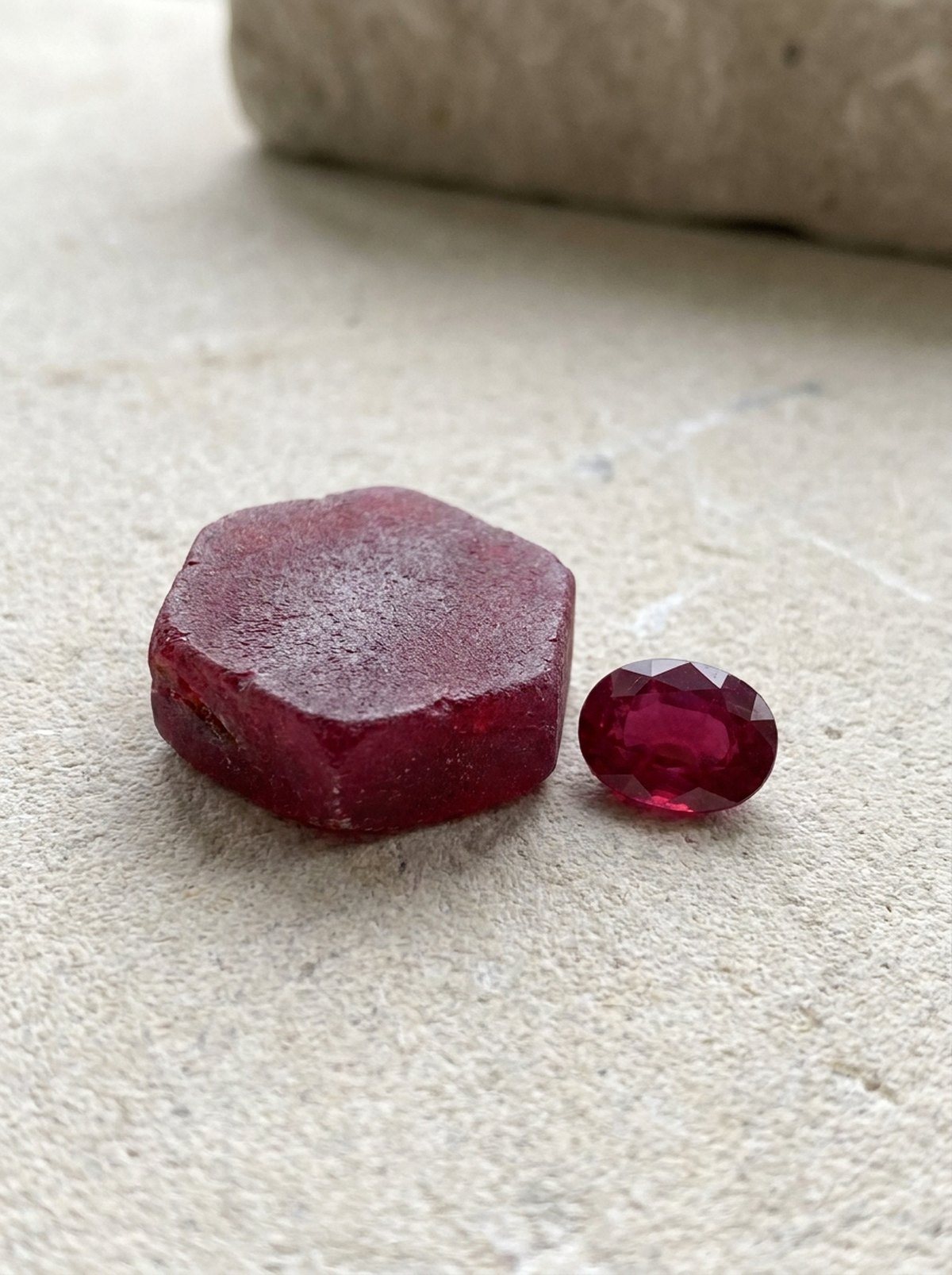
Lab-grown or natural: what's different and what isn't
The chemistry is the same. The growth story, the clues inside the stone and the price are not.
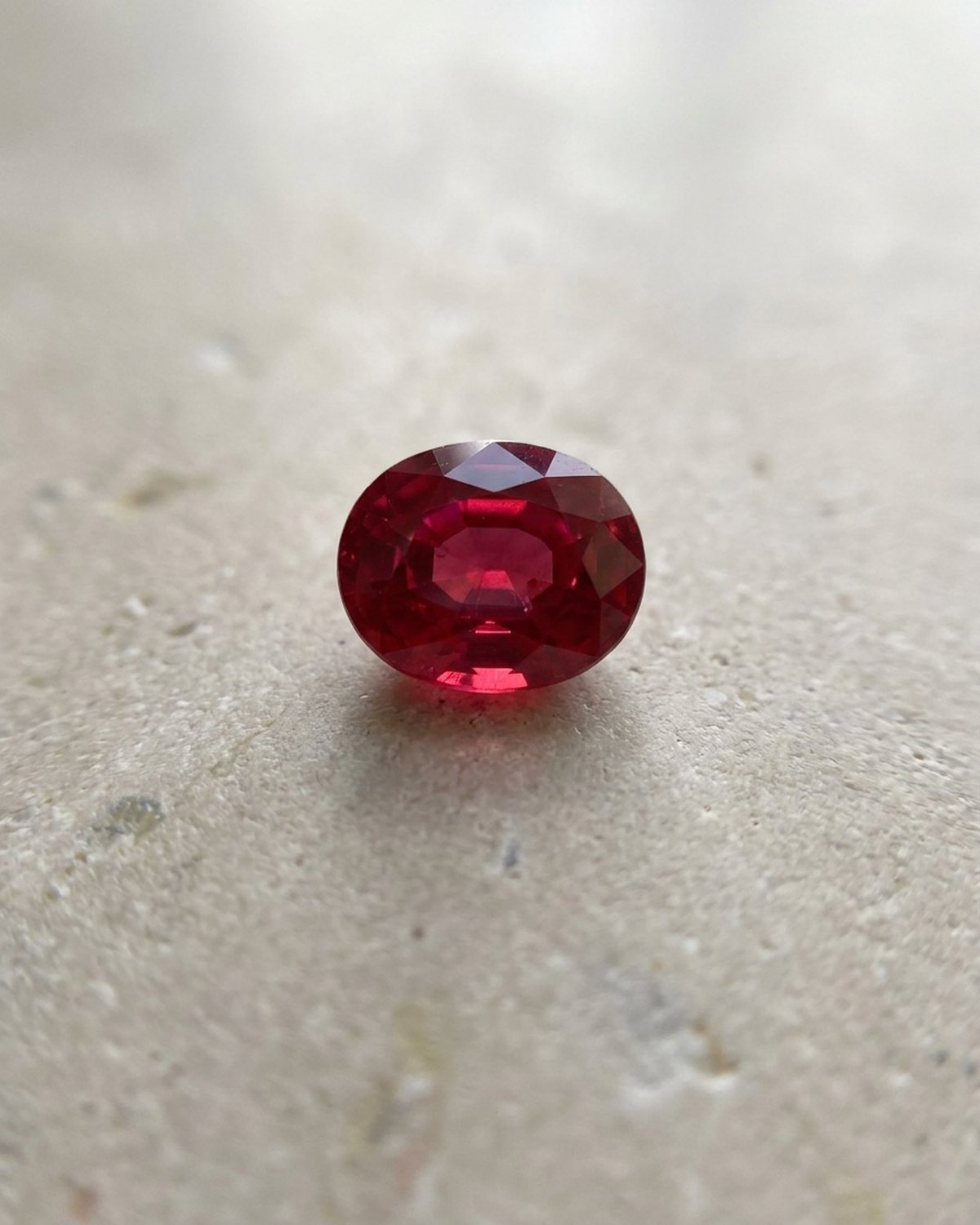
Ruby and sapphire are the same mineral
Both are corundum. A trace of one metal or another decides which name a stone gets.
No articles in that topic yet.
Coming up
- Where colored stones come from
- Four claws or six
- Why some bands split under the stone
- Stacking bands
- Polished, satin or hammered
- Which rings can be resized