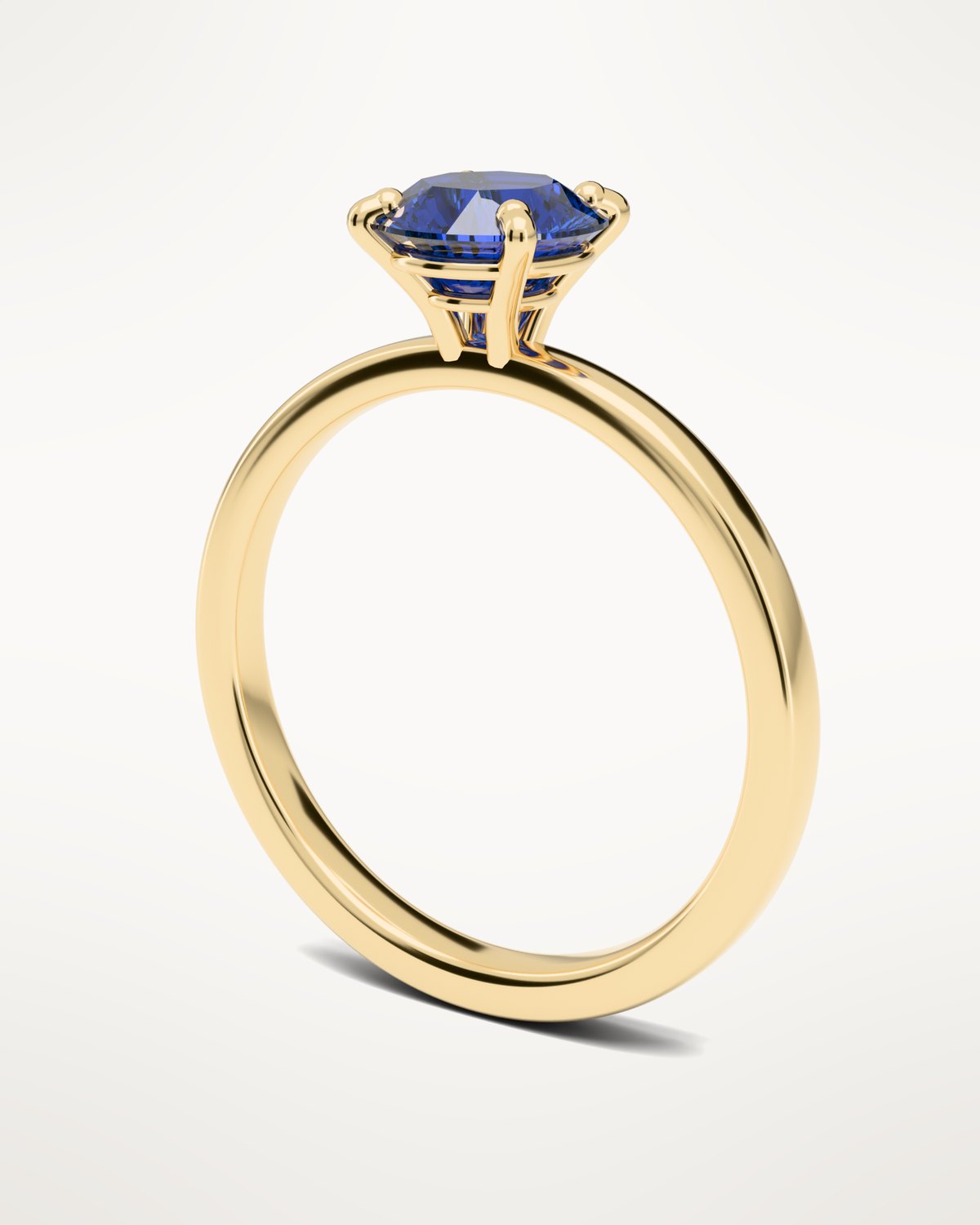
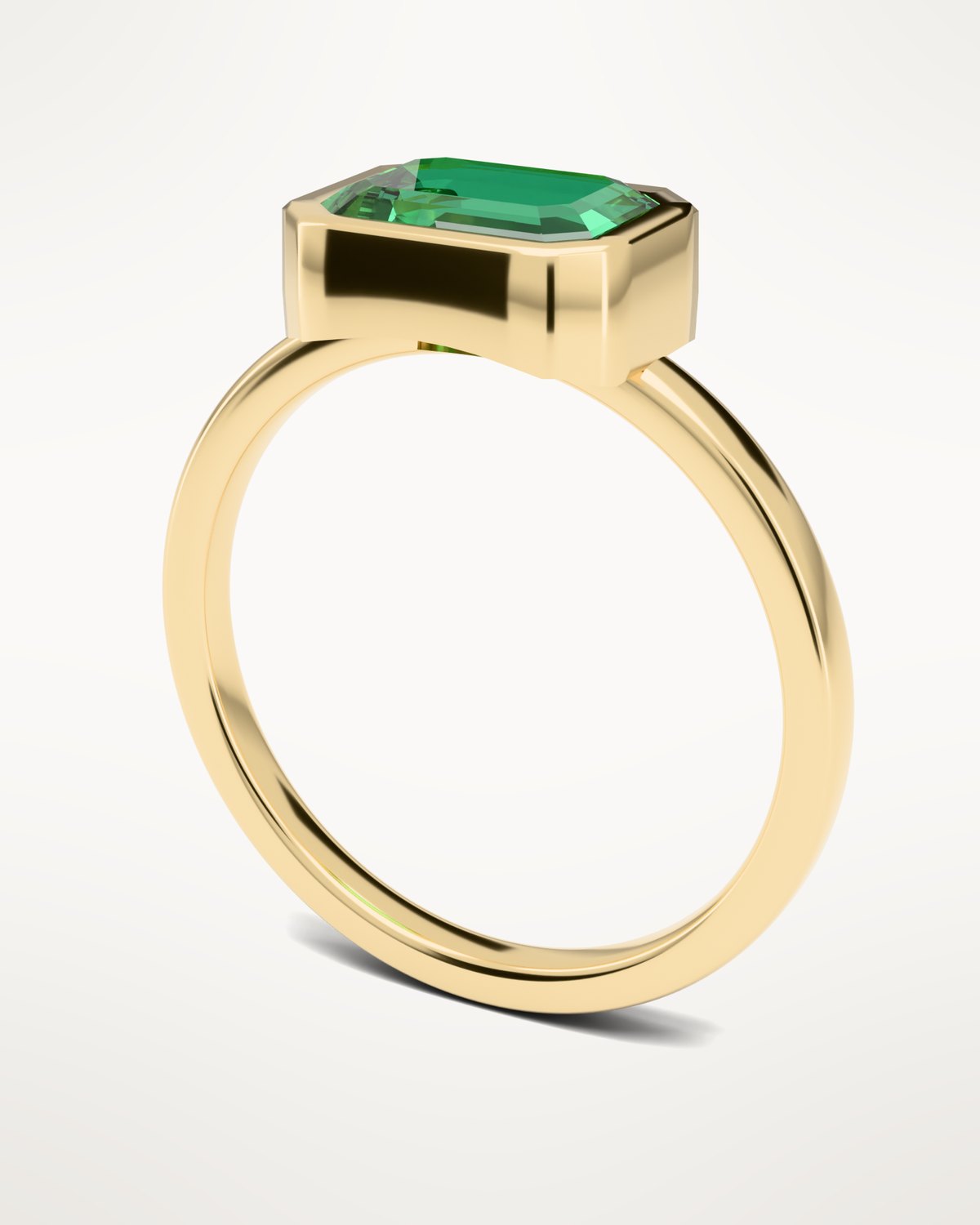
Windows and deep bellies
Two cutting faults that are easy to spot once you know them, and why cutters make them.
Key points
- A pavilion cut too shallow lets light out the bottom, leaving a pale, glassy window.
- A deep belly adds hidden weight and can make the middle of the stone look dark.
- Ask for the depth with the length and width, plus a face-up photo or video.
In this article
Colored stone rough is expensive and is often sold by weight, so cutters are under steady pressure to keep as much of it as they can. Two faults come from that pressure, and both make a stone look worse than it should.
Windows
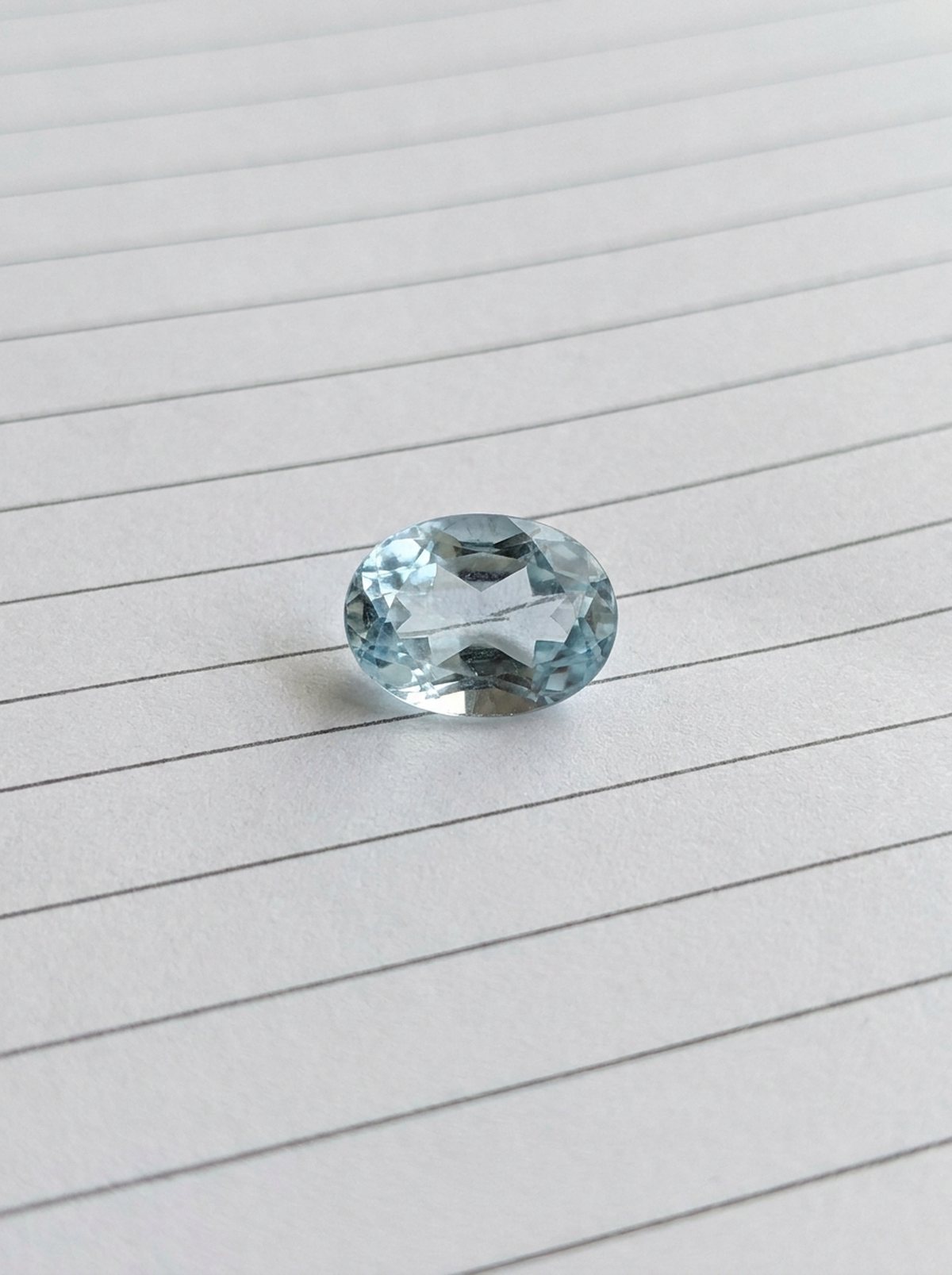
In a well-cut stone, light that enters the top bounces off the facets underneath and comes back up. If the lower half, the pavilion, is cut too shallow, light passes straight through and out the bottom. The middle of the stone looks pale and glassy, as if you could see through it. That area is called a window.
To check, lay the stone face up on printed text. If you can read the text through the middle, the stone is windowed. In a photo, a window shows as a pale patch in the center where the background shows through.
Stones that bend light less, such as aquamarine, morganite and quartz, need a steeper pavilion to avoid windows than ruby and sapphire do. Windows are common in them.
Deep bellies
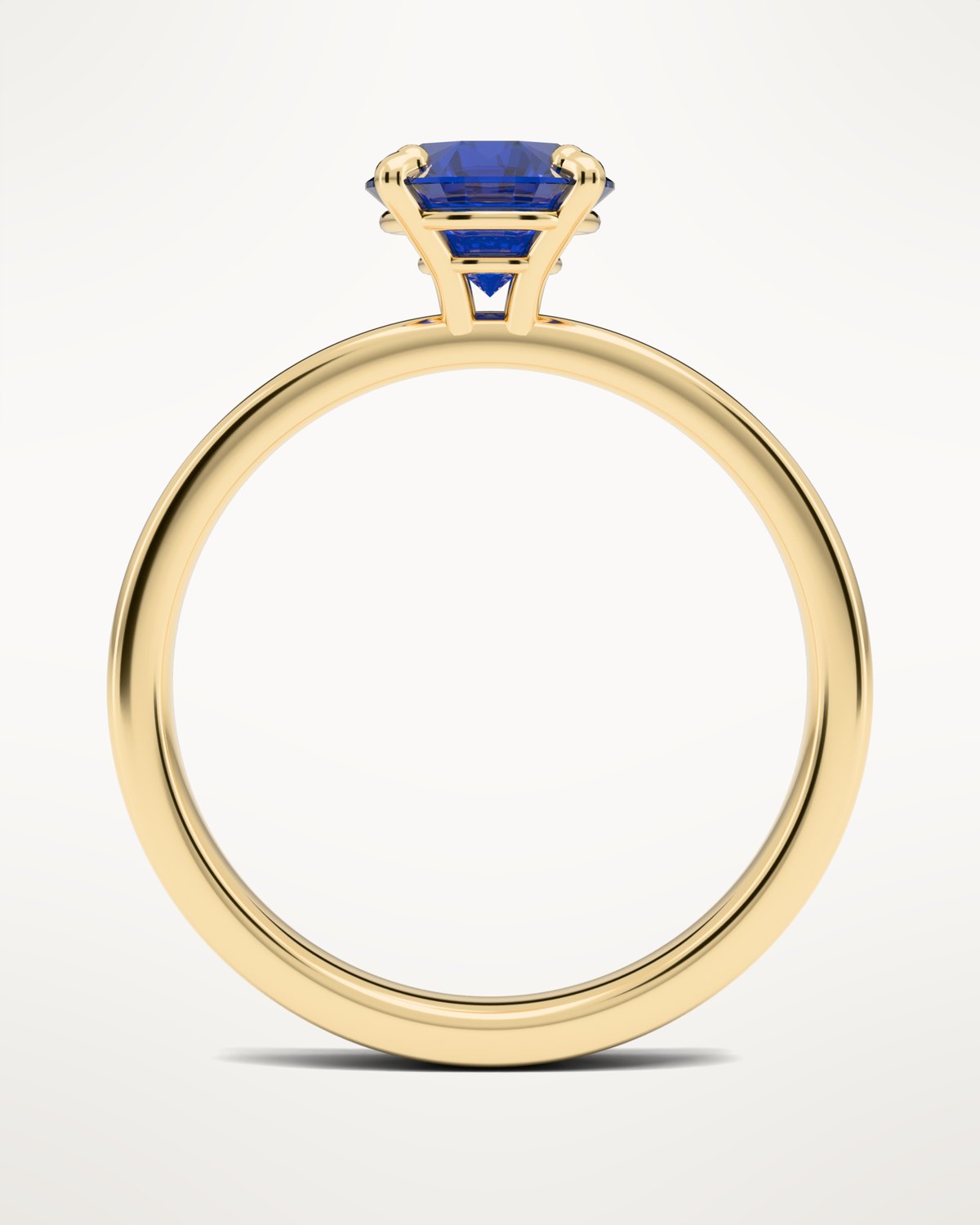
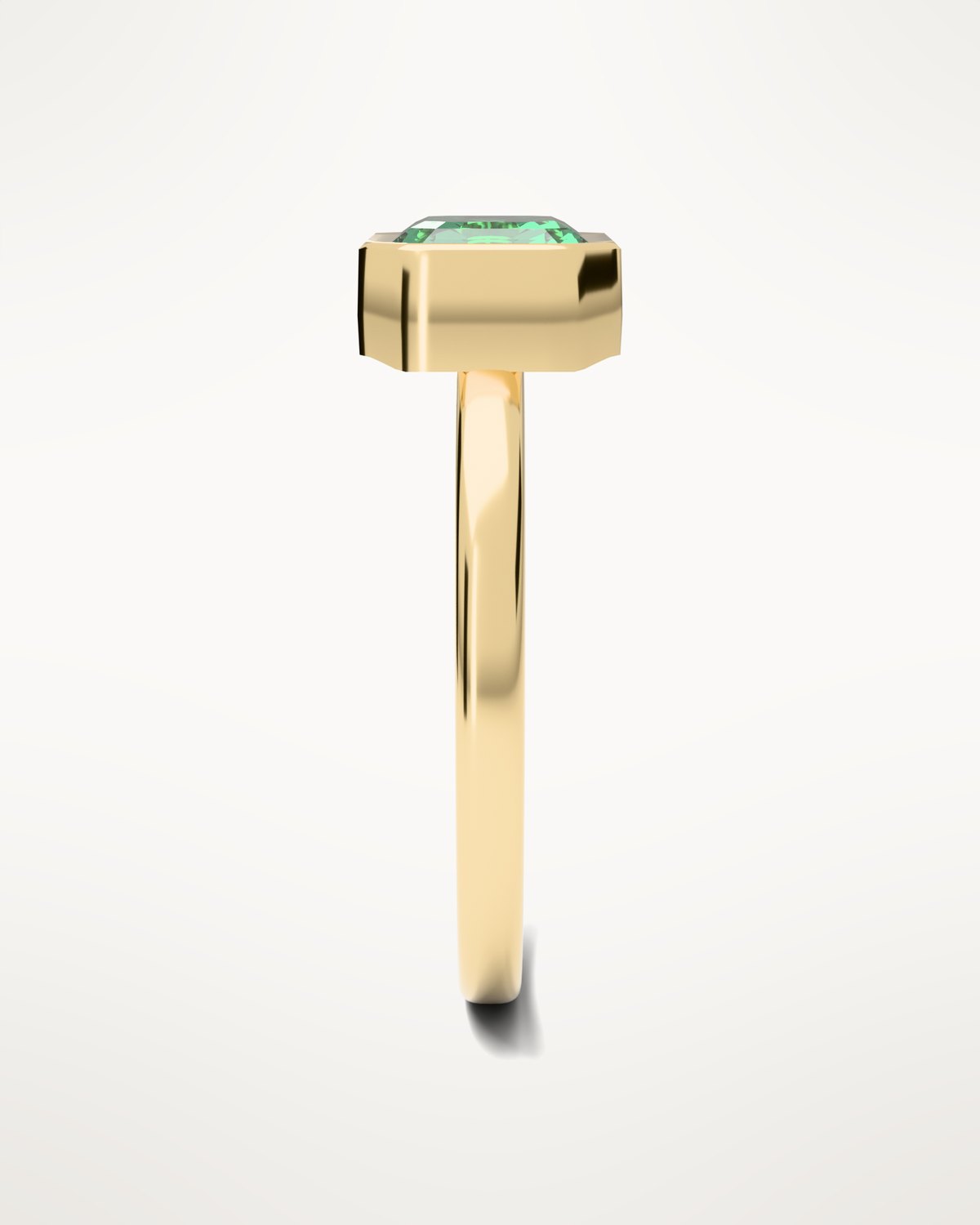
The opposite fault is a pavilion that bulges well below where it needs to. The extra material adds carats you pay for but never see from above. A deep stone can face up like a much lighter one, look dark in the middle, and need a taller setting so that its point clears the finger.
Native cuts and recutting
Many stones are first cut near the mines, where the aim is to keep weight for sale by the carat. Dealers call these native cuts. A skilled cutter can recut a windowed or bellied stone to better proportions. It always loses weight, so a recut pays only when the higher price per carat makes up for the lost carats and the cost of cutting.
What to ask for
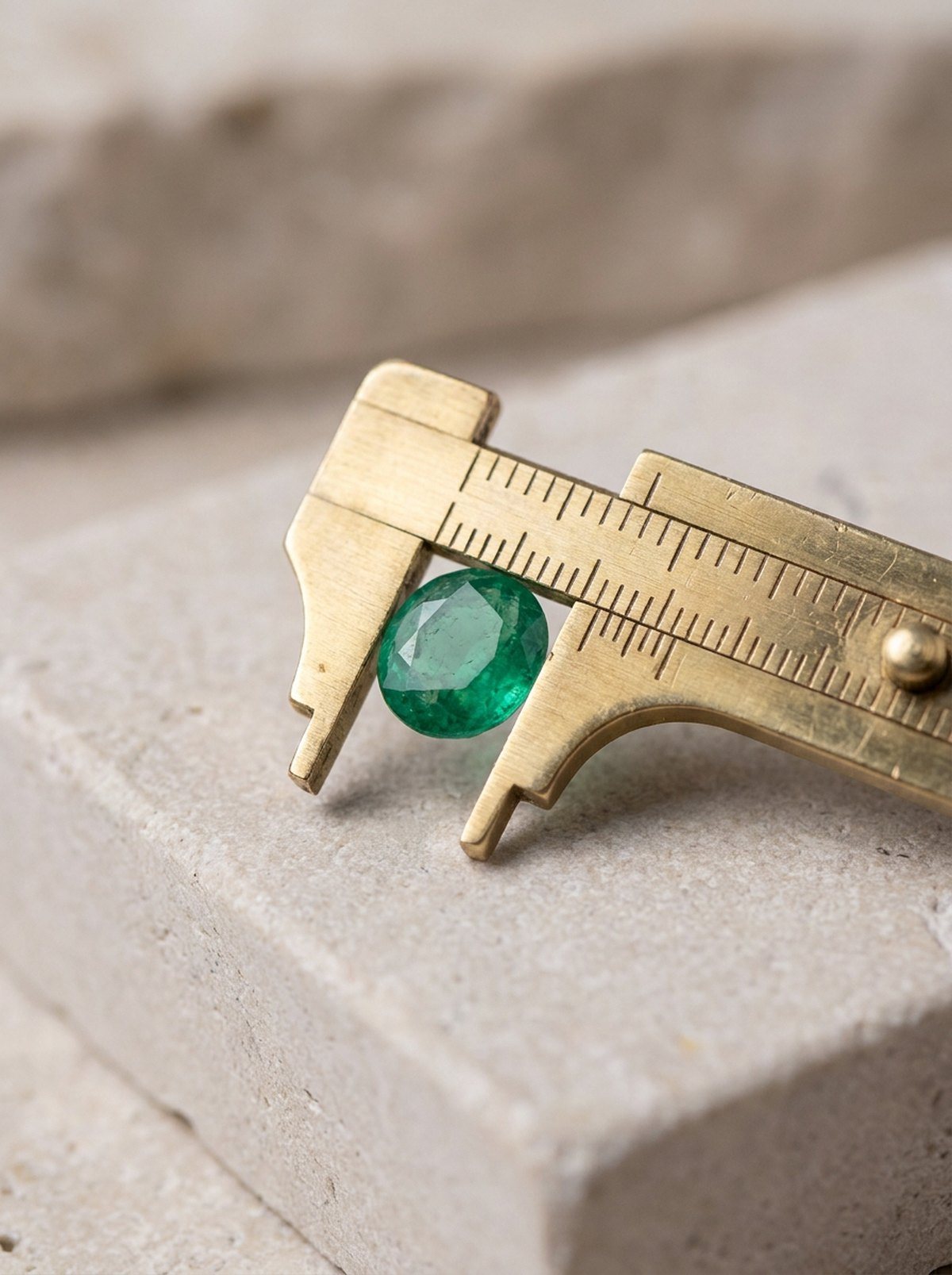
Ask for the depth as well as the length and width, and for a face-up photo or video. Compare the depth with the width: a stone much shallower than its peers is likely to window, and one much deeper is likely to have a belly. Our piece on sizing in millimeters shows how depth changes weight.
Filed under Cuts · September 9, 2026