Hardness, toughness and an everyday ring
A stone for daily wear has to resist scratches and survive knocks. Those are two different properties.
Key points
- Stones softer than quartz, 7 on the Mohs scale, get scuffed by household dust.
- Toughness is how well a stone survives a knock, and it depends on cleavage and fractures.
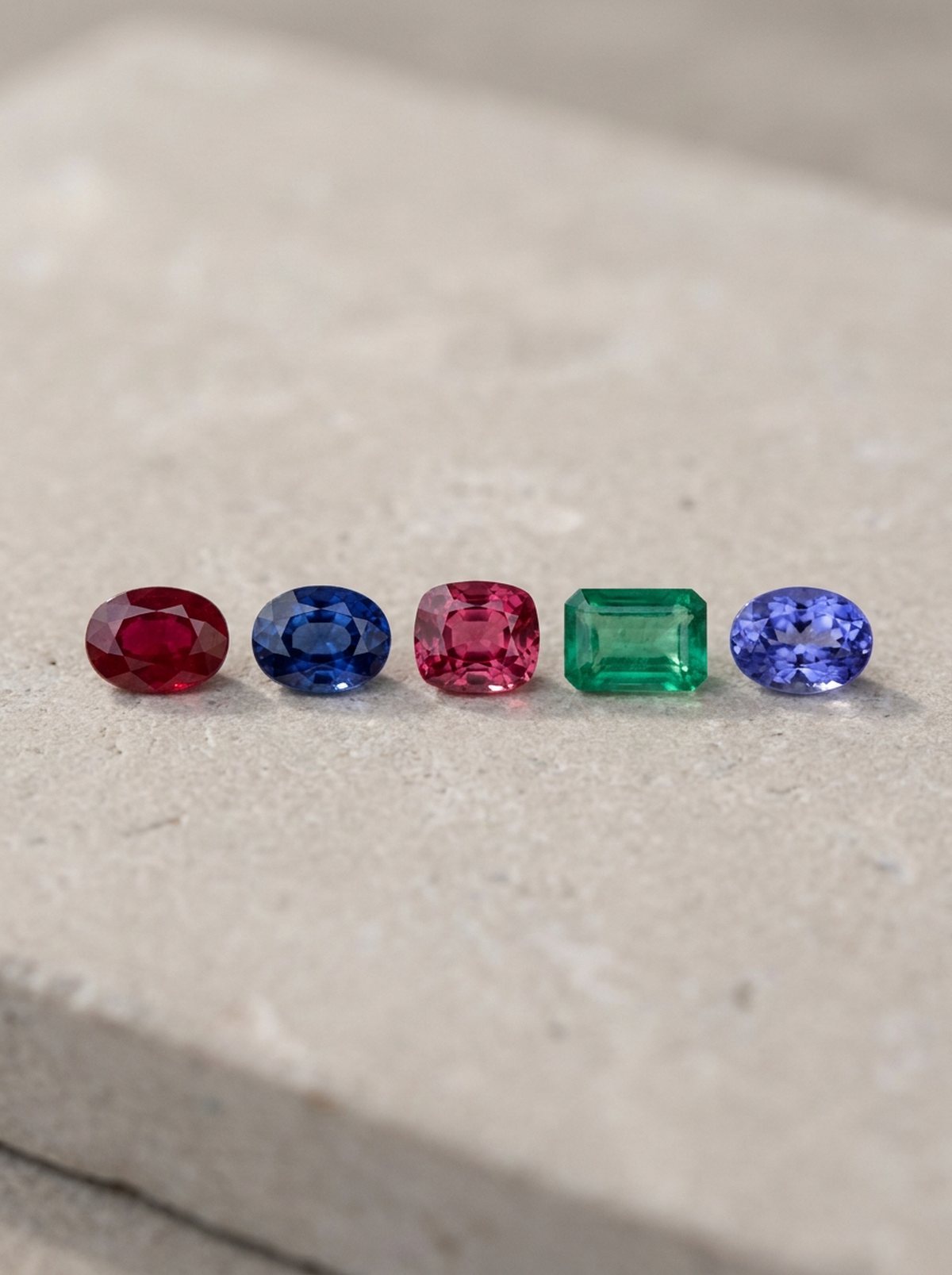
- Ruby, sapphire and spinel suit daily claw-set rings, while tanzanite and opal suit earrings and pendants.
In this article
A ring takes more wear than any other piece of jewelry. It knocks against door frames, rubs on desks and keys, and collects dust. Two properties decide how a stone copes with that: hardness and toughness.
Hardness
In 1812 the German mineralogist Friedrich Mohs ranked ten minerals by which could scratch which, from talc at 1 to diamond at 10. Jewelers still use his scale. It shows order rather than size: the gap between corundum at 9 and diamond at 10 is far larger than the gap between 8 and 9.
For a ring, 7 is the number to watch. Household dust contains grains of quartz, which is 7 on the scale. A stone softer than quartz gets scuffed a little every time it is wiped, and over the years its facet edges round off and the polish goes dull.
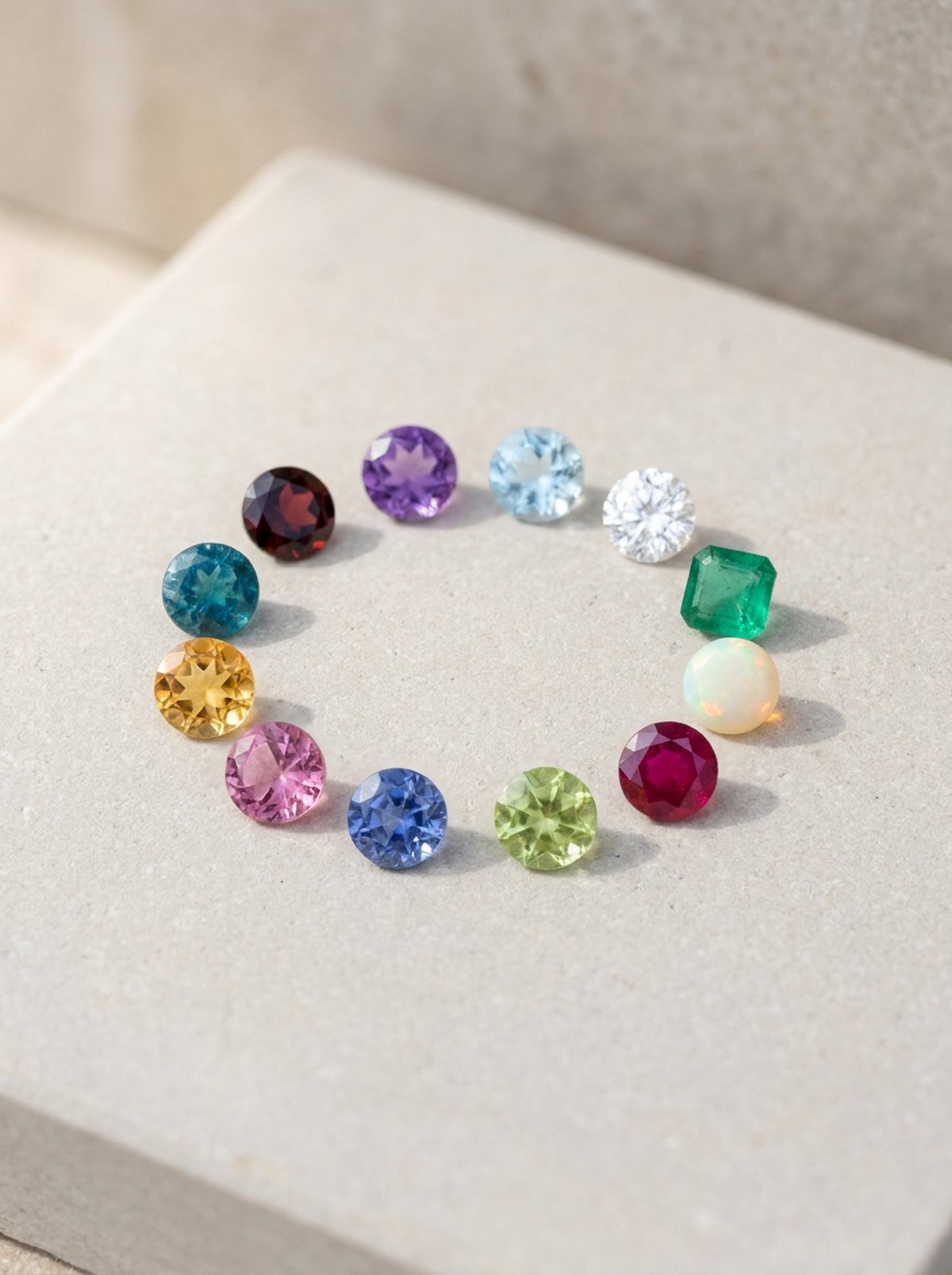
- Diamond: 10
- Ruby and sapphire: 9
- Spinel: 8
- Emerald, aquamarine and morganite: 7.5 to 8
- Tourmaline: 7 to 7.5
- Garnet: 6.5 to 7.5
- Tanzanite: 6 to 7
- Opal: 5.5 to 6.5
Toughness
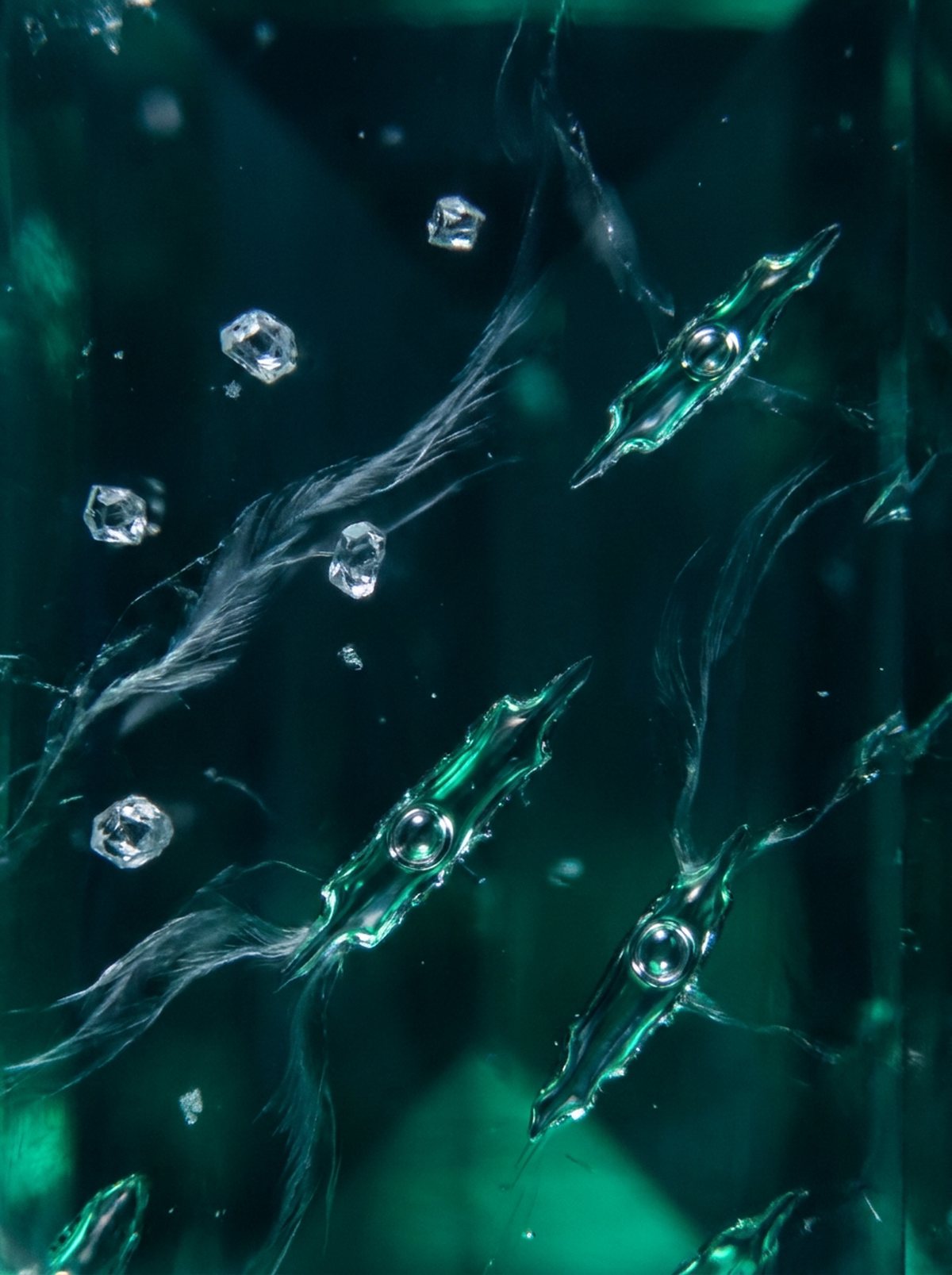
Toughness is how well a stone survives a knock. It depends on the stone's structure more than its hardness. Some minerals split along flat planes, called cleavage. Others grow full of small fractures.
Emerald is hard enough to shrug off dust, but almost every emerald has internal fractures, so a sharp knock on a corner can chip it. Tanzanite is softer than quartz and has one direction of perfect cleavage, so a single hard tap can split it.
Ruby and sapphire are hard and have no cleavage, so they are also tough, though a stone with large fractures can still break with a hard knock. Diamond is the hardest stone of all and can still chip if it is struck along one of its cleavage planes.
What that means for a ring
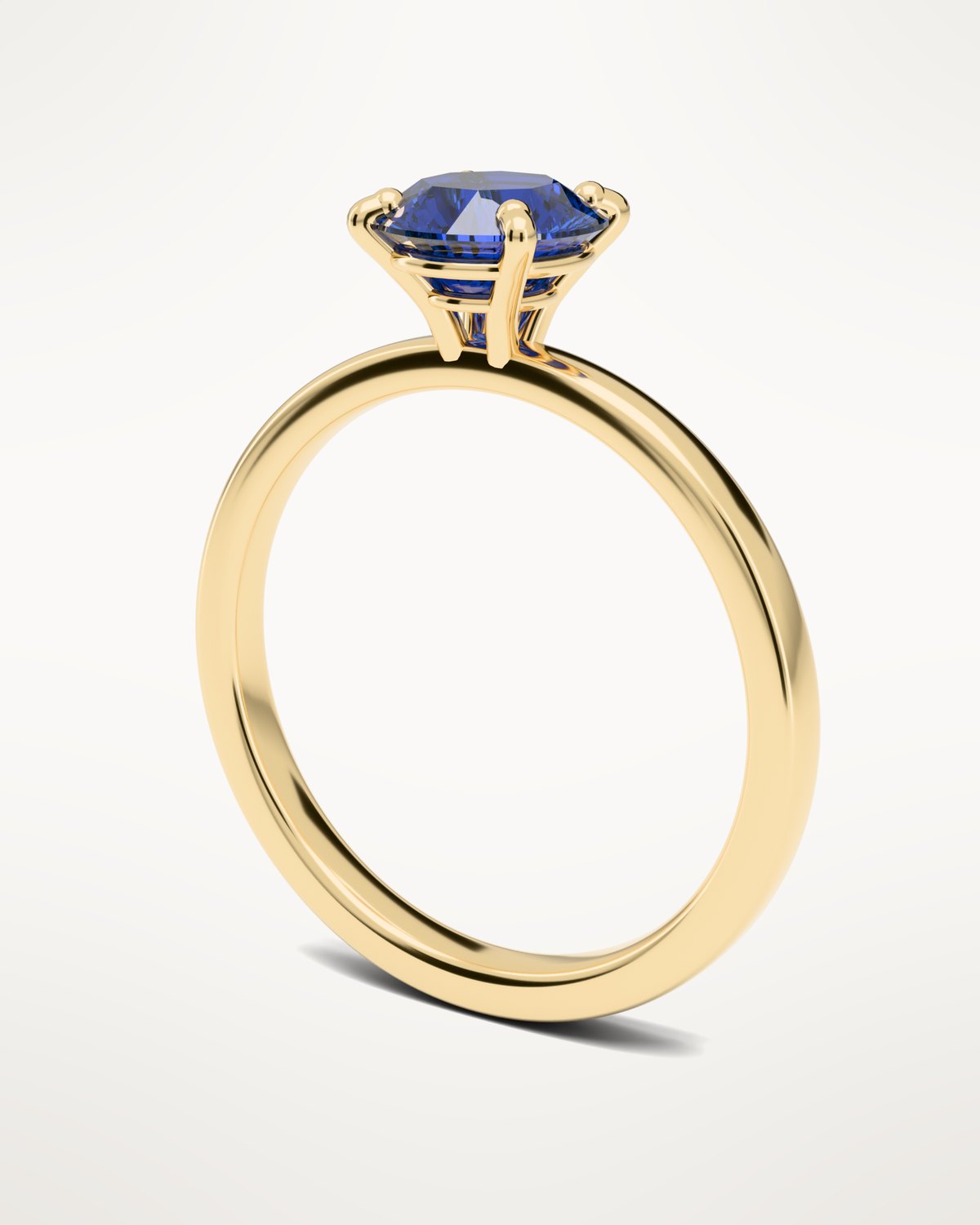
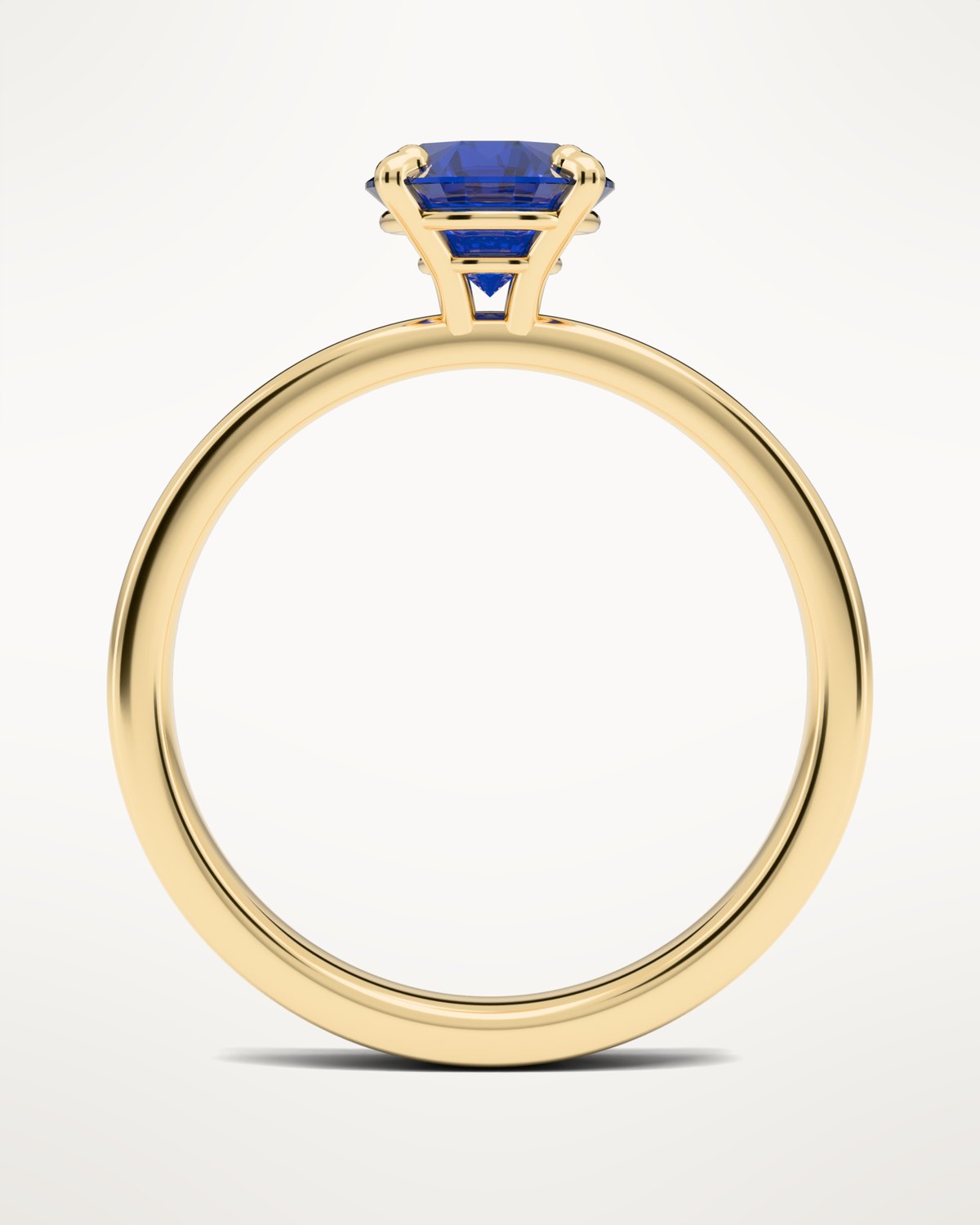
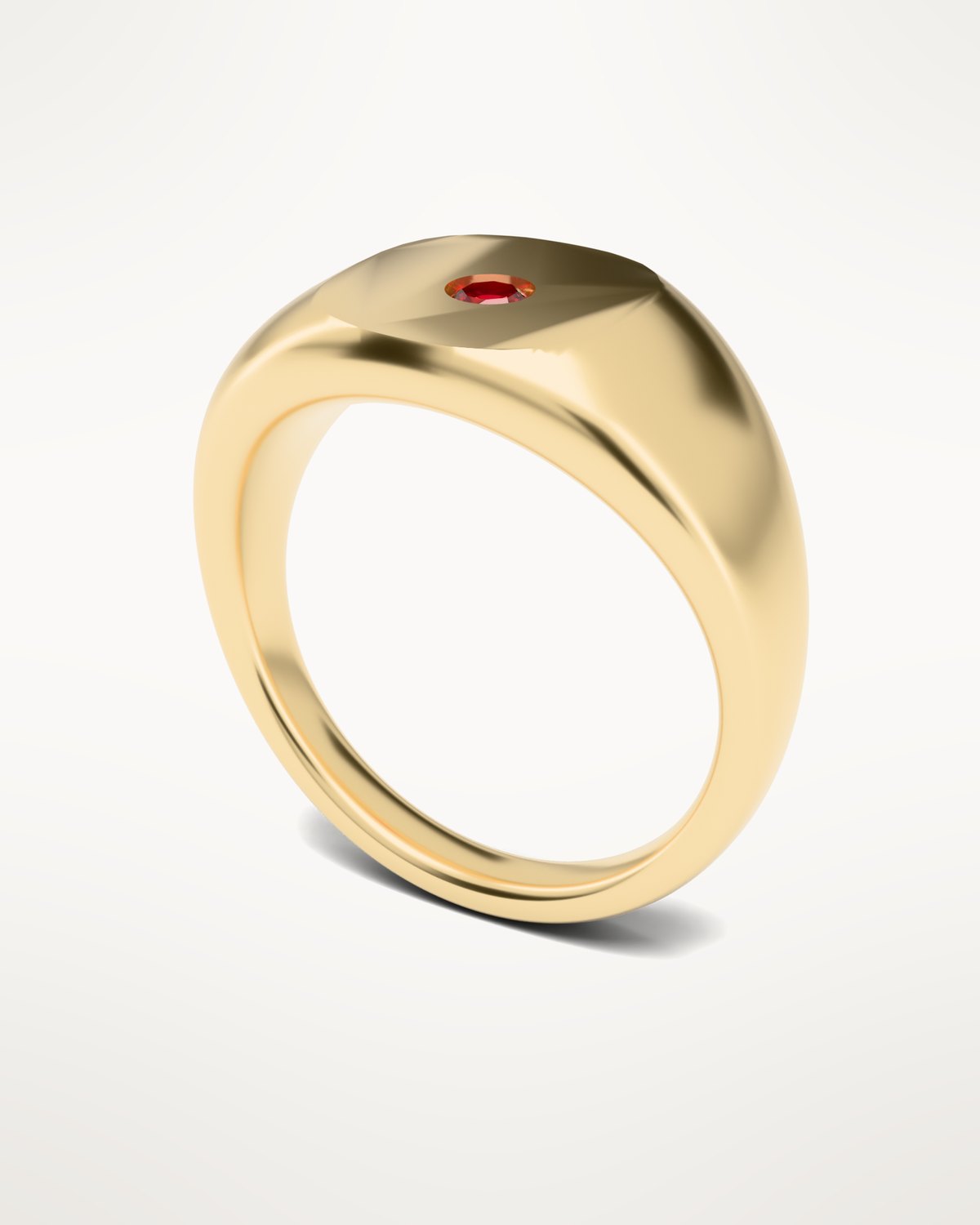
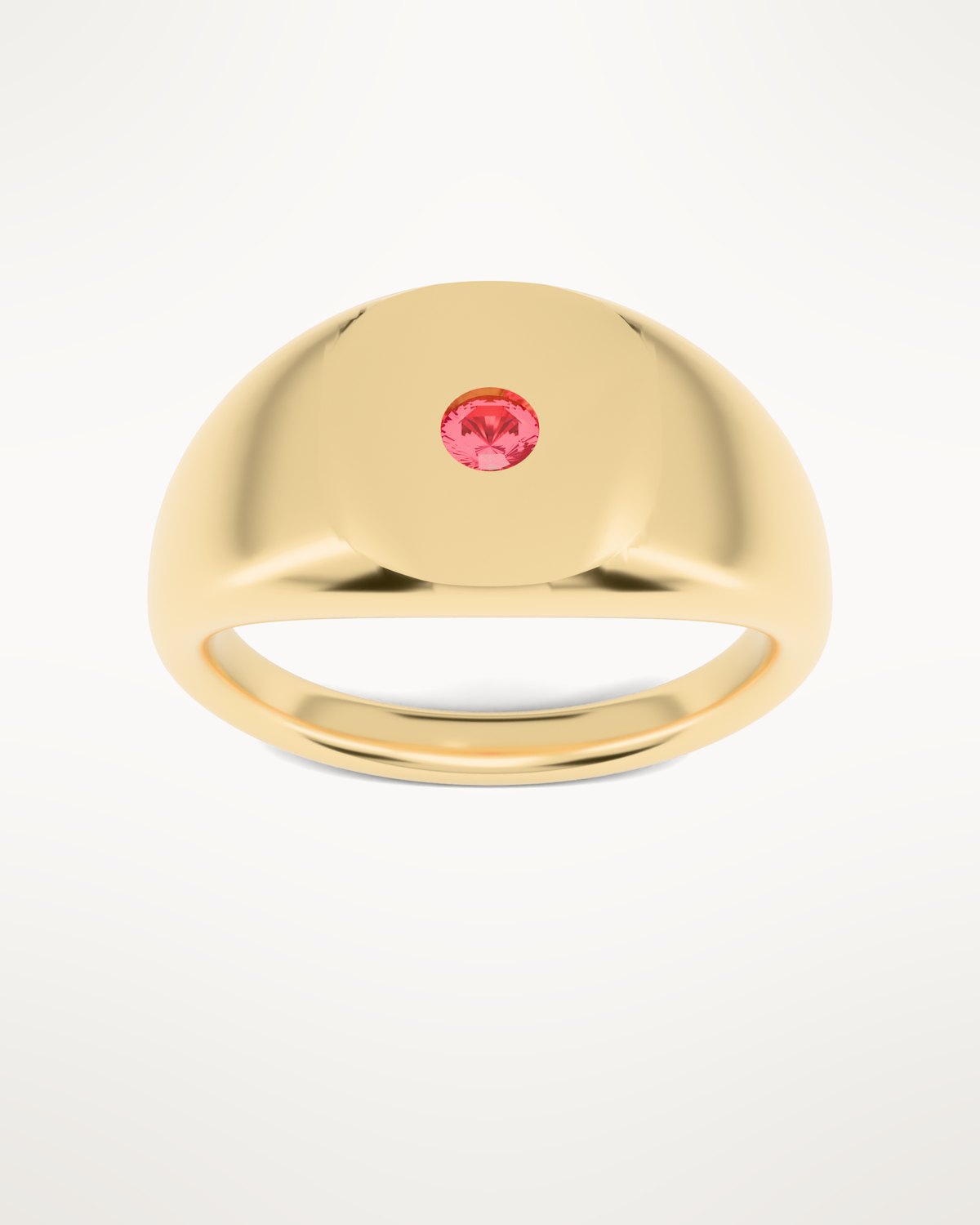
Ruby, sapphire and spinel can take a claw setting and daily wear. Emerald, aquamarine, morganite and tourmaline work well with some care, and a bezel or a setting that covers the corners helps. Tanzanite, opal and peridot are happier in earrings and pendants, or in a ring you take off before working with your hands.
Take any ring off for the gym, gardening and cleaning. The metal needs it as much as the stone: gold is much softer than any of these gems, and claws wear thin long before a sapphire does.
Filed under Stones · May 2, 2026