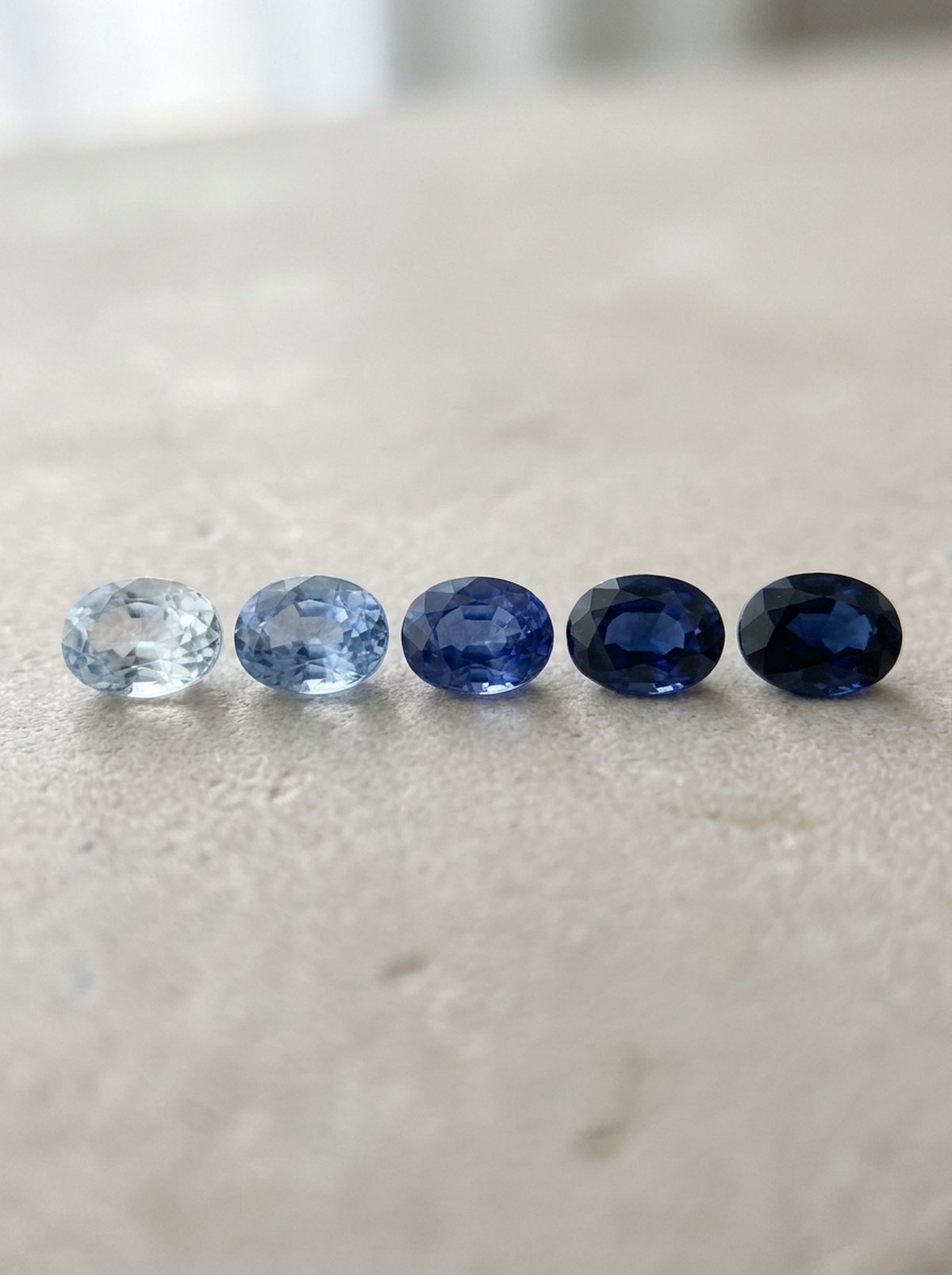
Tourmaline comes in every color
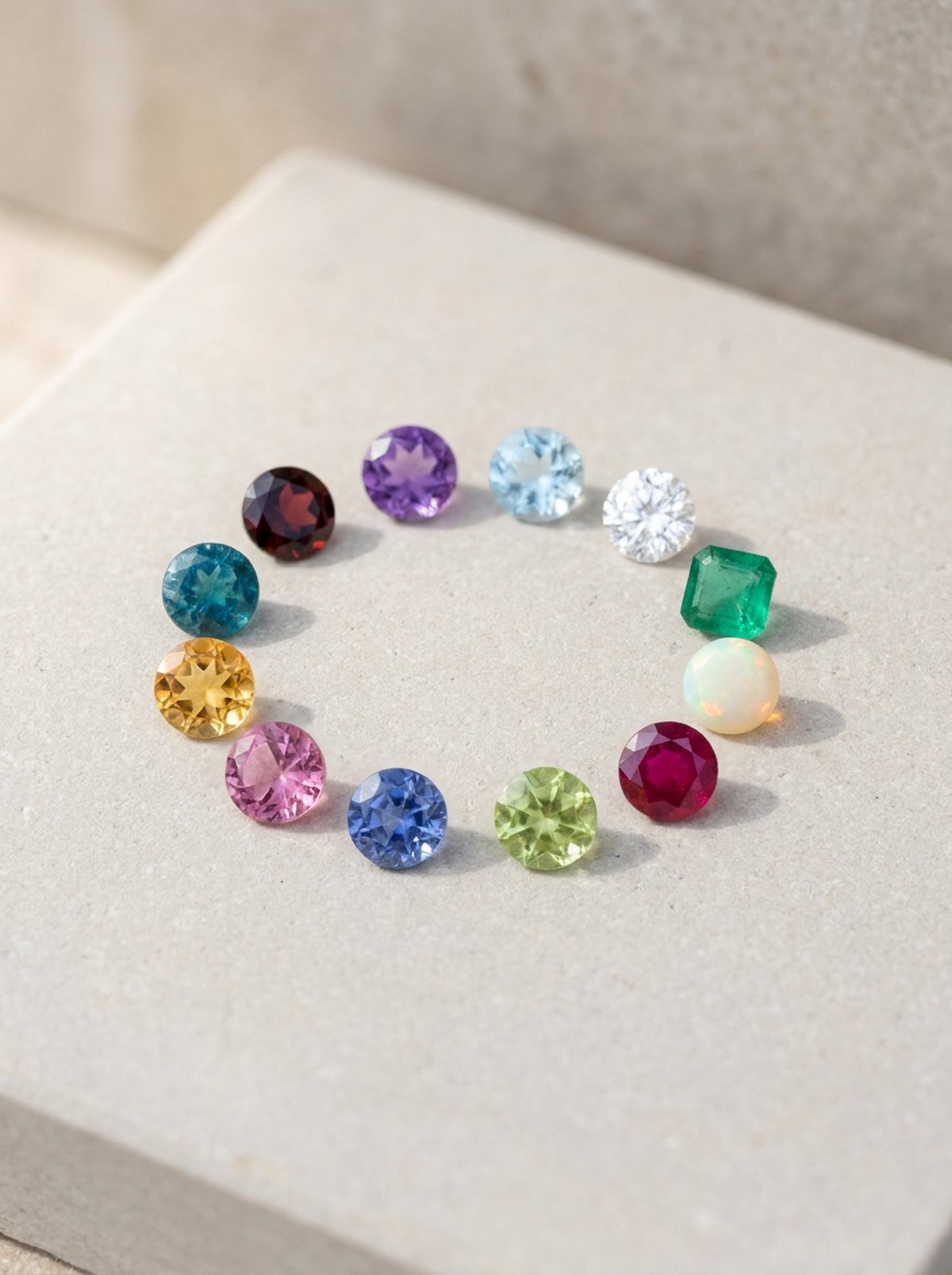
One mineral group, more colors than any other gem, and a stone whose color changes with the direction you look into it.
Key points
- Most gem tourmaline is elbaite, which occurs in nearly every color, often several in one crystal.
- Tourmaline's color changes with viewing direction, so cutters orient each stone with its best color facing up.
- At 7 to 7.5 on the Mohs scale, tourmaline is hard enough for most jewelry.
Tourmaline is a group of closely related boron silicate minerals. Most gem tourmaline belongs to one member of the group, elbaite, named after the Italian island of Elba. It occurs in nearly every color, and often in more than one color in the same crystal.
The name comes from the Sinhalese word toramalli, also spelled turmali. GIA says it meant "mixed gems", and Dutch merchants used it for the colored pebbles in Sri Lanka's gem gravels.
Colors and names
The trade has names for some colors:
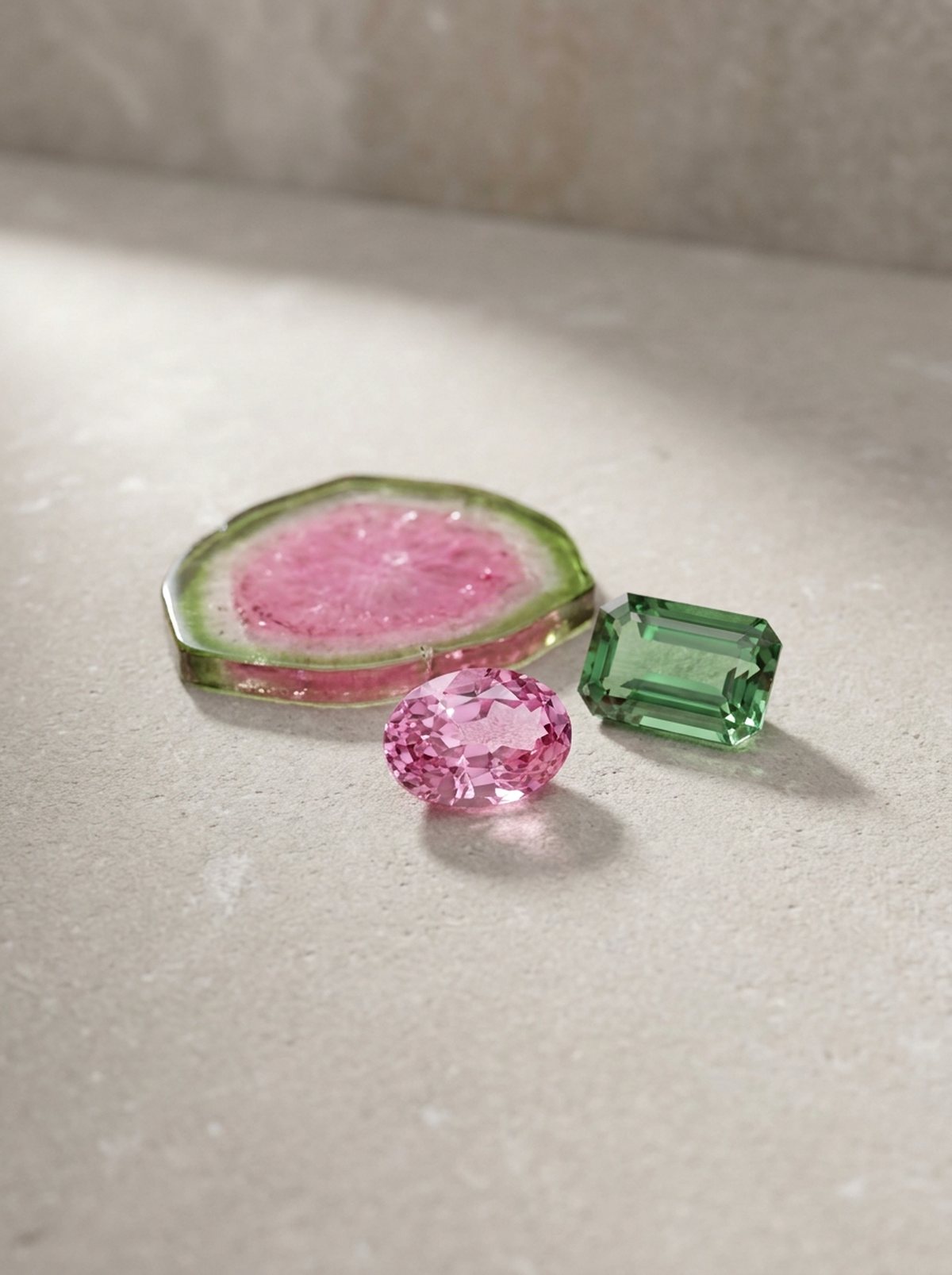
- Rubellite, for strong pink to red.
- Indicolite, for blue.
- Verdelite, for green, though most green stones are sold as green tourmaline.
- Watermelon, for crystals with a pink core and a green rim, usually sold as slices cut across the crystal.
Paraíba tourmaline is a vivid blue to green colored by copper, first found in the Brazilian state of Paraíba in the late 1980s. Similar copper-bearing tourmaline was later found in Nigeria and Mozambique. Labs now use the name for blue to green tourmaline colored by copper and manganese from any locality, and many state the country separately.
Two colors in one stone
Tourmaline is strongly pleochroic: it shows a different color, or a different depth of color, when you look along the length of the crystal than when you look across it. A green crystal can look almost black down its length. Cutters orient each stone so the best color faces up, which is one reason tourmaline is often cut long and rectangular.
A stone that pulls ash
Warm or rubbed tourmaline becomes electrically charged and attracts dust. Dutch traders brought it from Sri Lanka in 1703, and an account from 1707 says they called it aschentrekker, ash puller, because a warm stone drew ash from a turf fire.
Wearing it
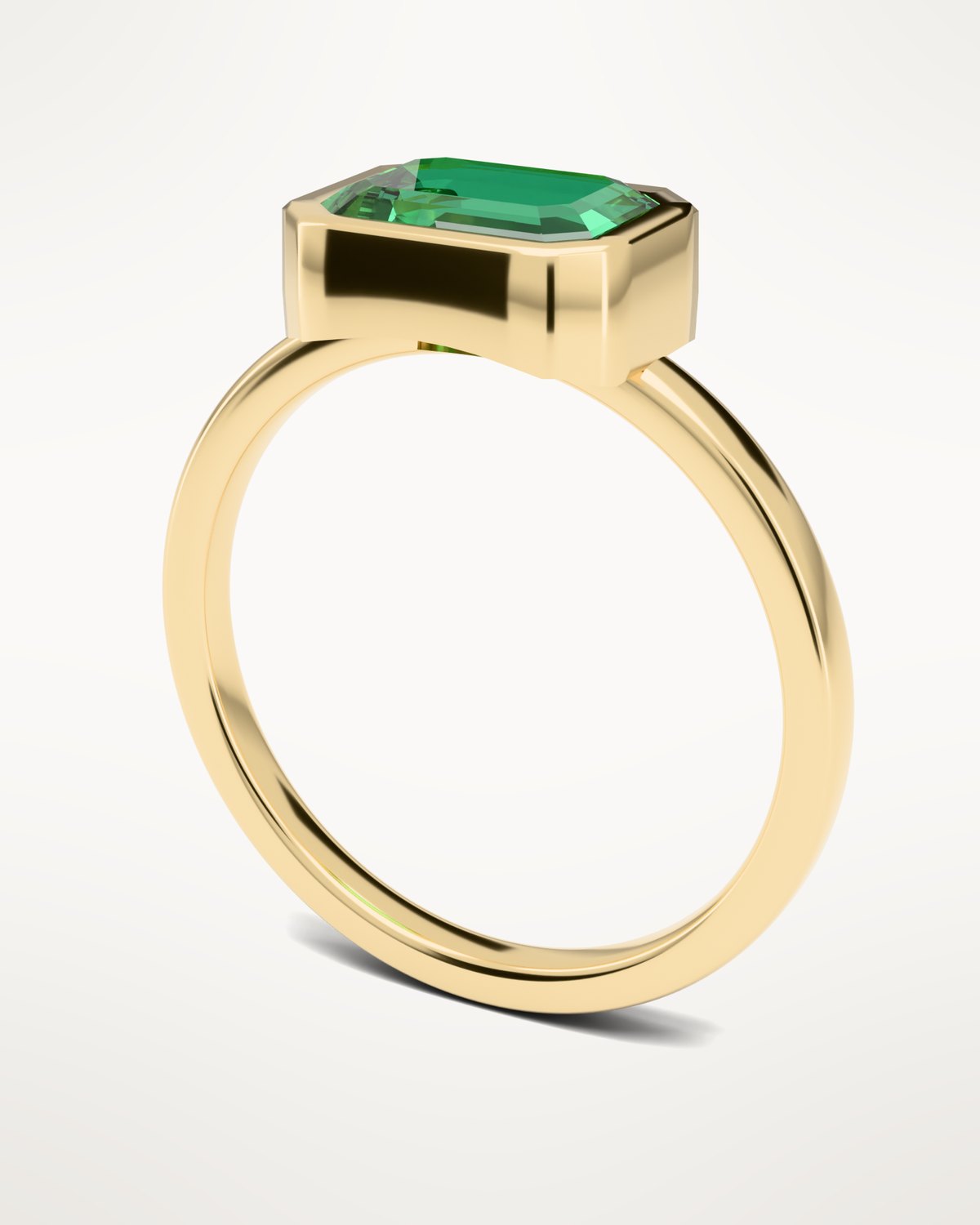
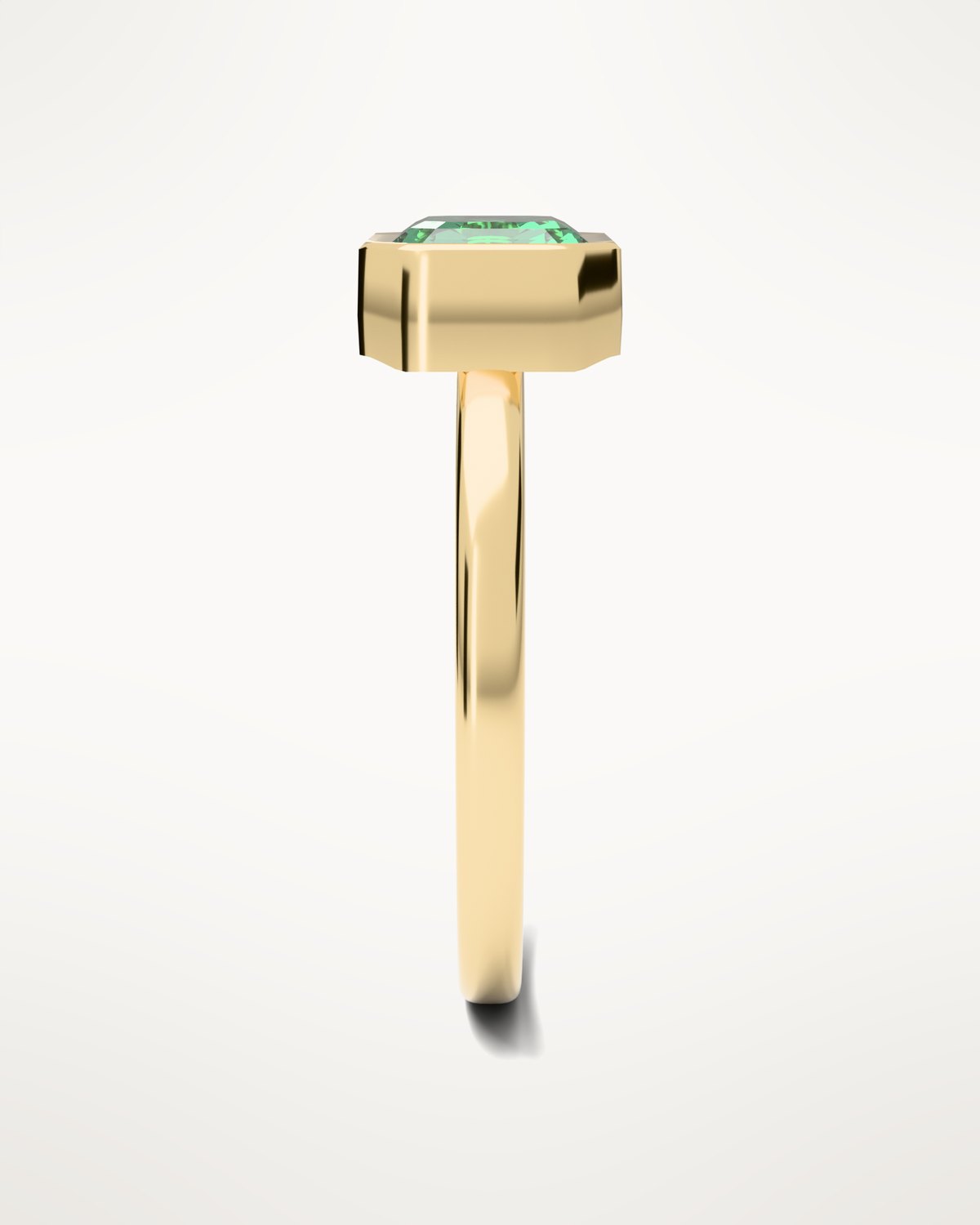
Tourmaline is 7 to 7.5 on the Mohs scale, hard enough for most jewelry. Green and blue stones are often fairly clean; rubellite is usually included. Many tourmalines are untreated. Some are heated to lighten or change their color, and pink to red stones may be irradiated to deepen it. Our east-west ring is designed around a green tourmaline.
Filed under Stones · October 14, 2026