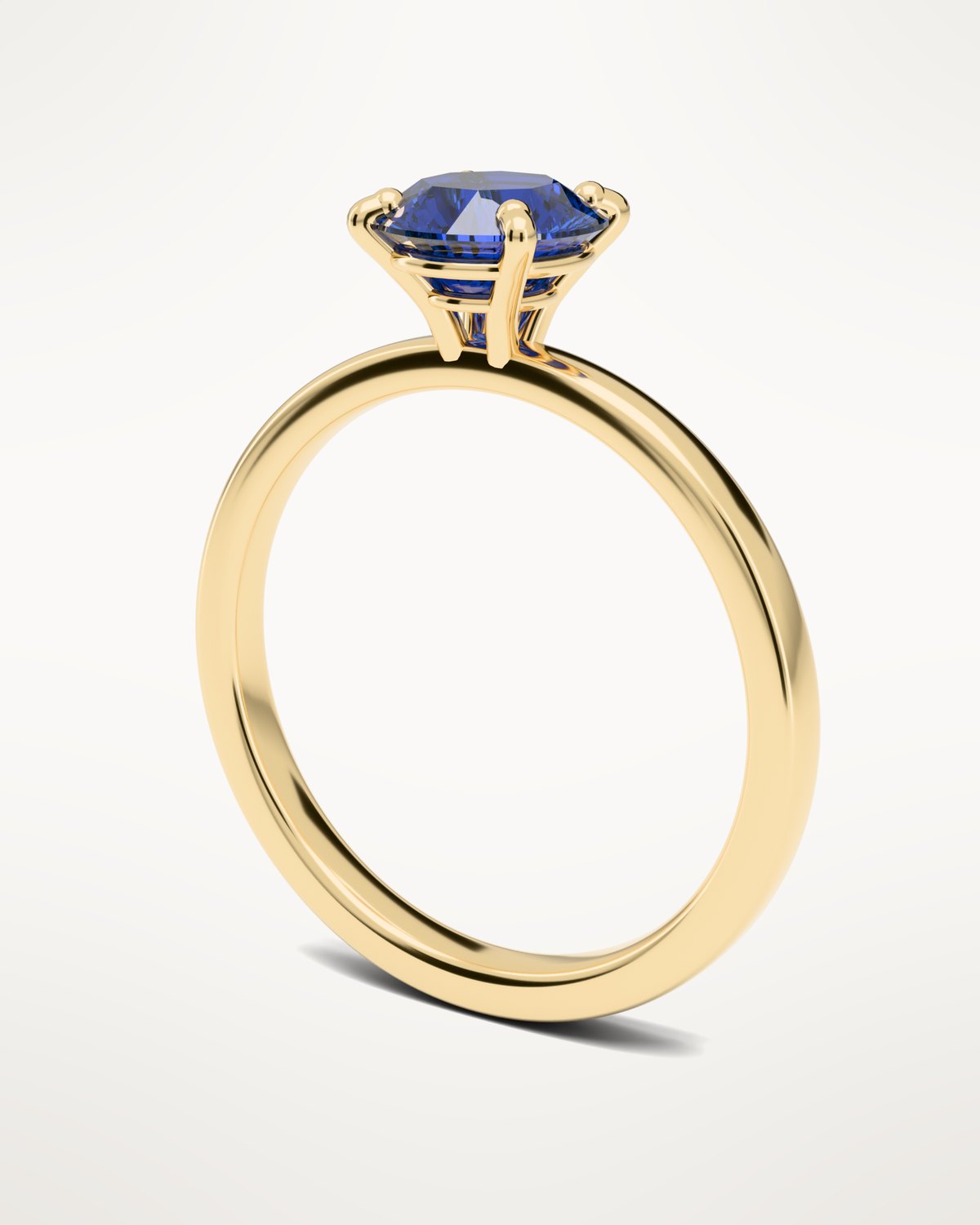
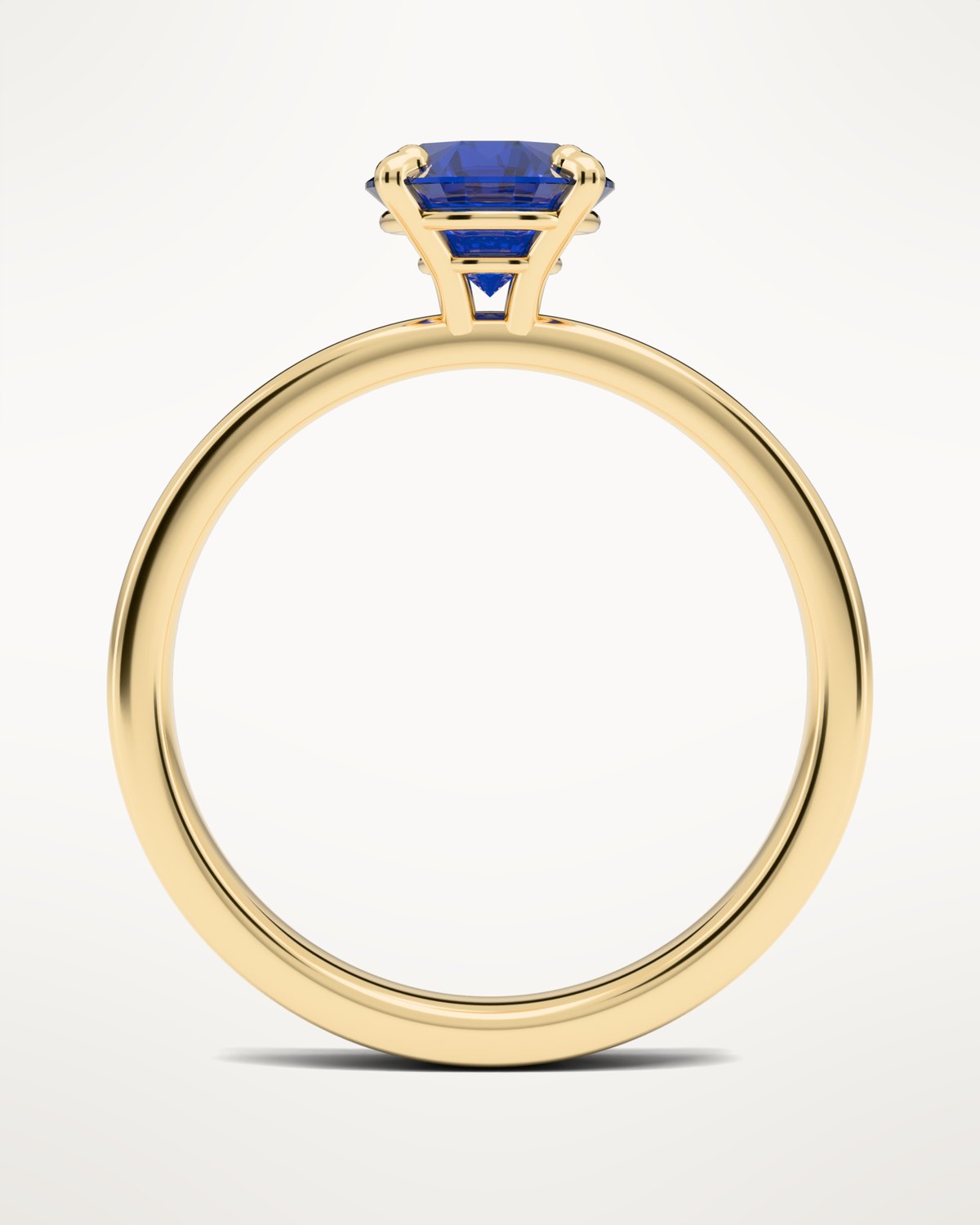
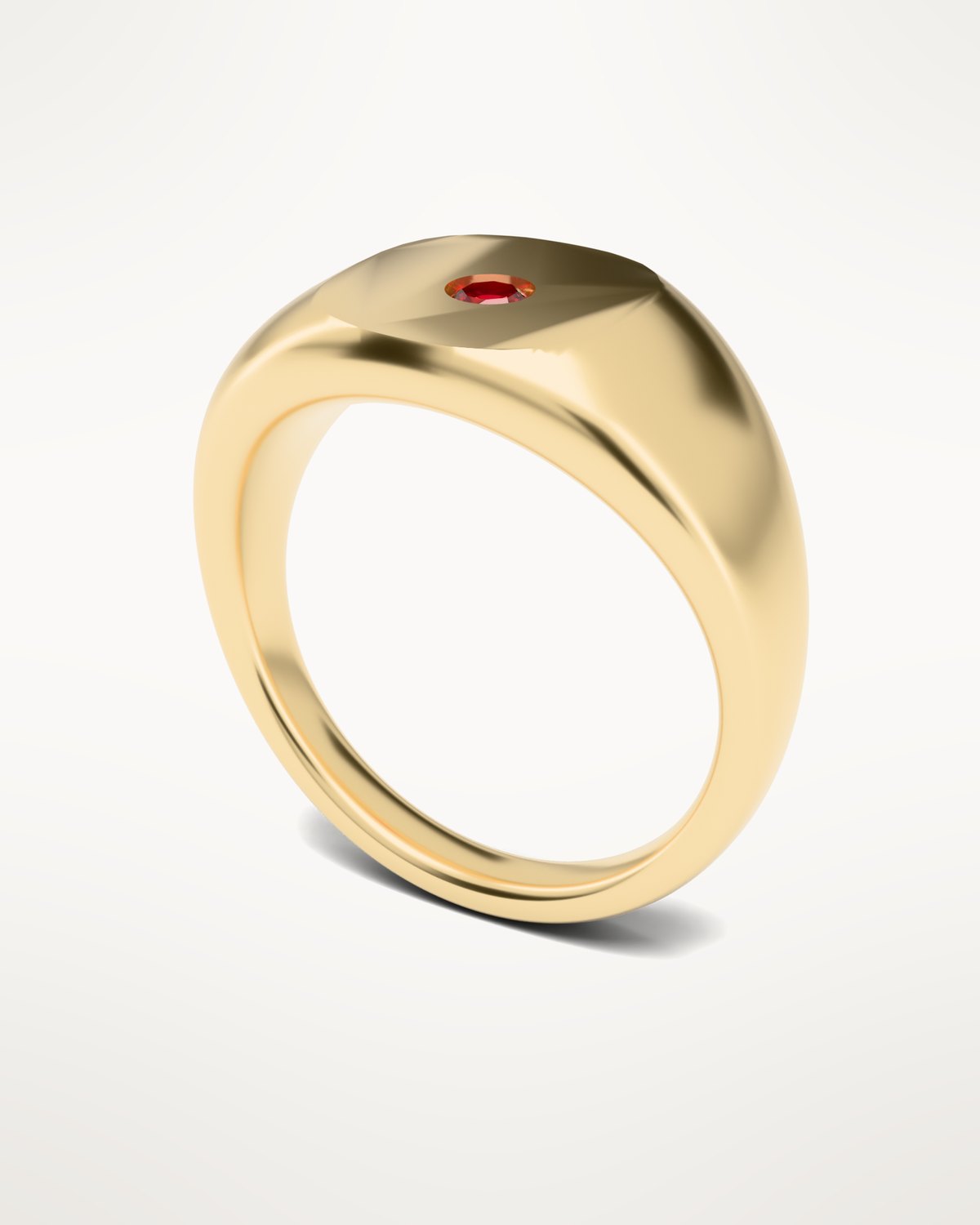
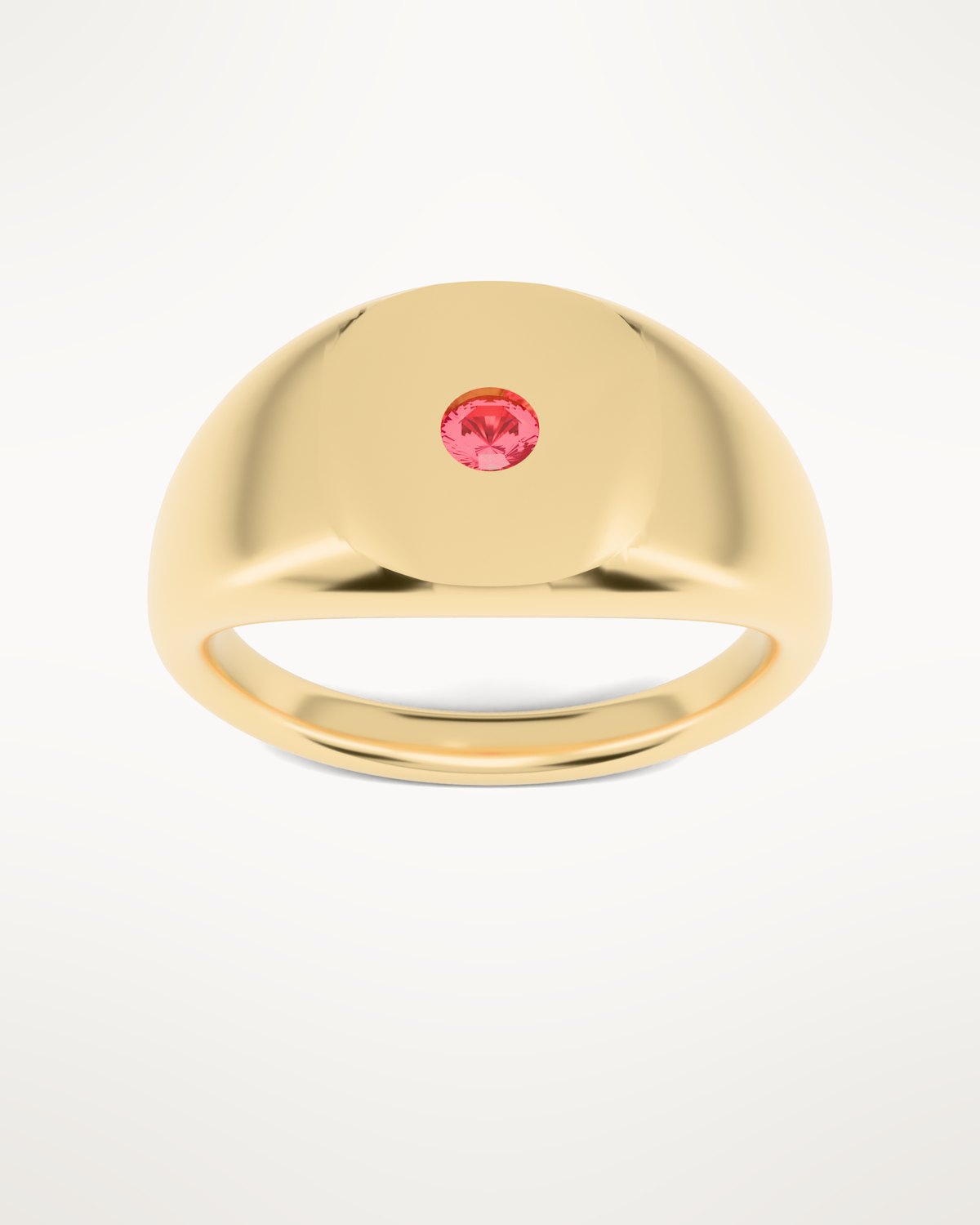
What "heated" means on a sapphire label
Most rubies and sapphires are heated after mining. The treatment is permanent and routine, and it changes the price.
Key points
- Most rubies and sapphires are heated after mining, and the change is permanent.
- Sellers should disclose heating, and a fine unheated sapphire costs noticeably more than a heated one.
- Beryllium diffusion and lead-glass filling are separate treatments and should be named on their own.
Most rubies and sapphires sold today have been heated after mining. In Sri Lanka, stones were heated over charcoal with blowpipes long before electric furnaces. The change is permanent: a heated sapphire looks and wears the same in fifty years as it does today.
What heat does
Ruby and sapphire often grow with fine needles of the mineral rutile inside them, which jewelers call silk. Dense silk scatters light and can make a stone look milky. Heating to high temperatures dissolves the needles back into the crystal. That can clear the stone and, in blue sapphire, deepen the color, because titanium released from the rutile pairs with iron in the crystal, and iron with titanium is what makes sapphire blue.
Heat can also lighten stones that are too dark and reduce a bluish or purplish tint in rubies. Temperatures range from a few hundred degrees Celsius to around 1,800 °C, held for hours or days depending on the stone and the result wanted.
How labs tell
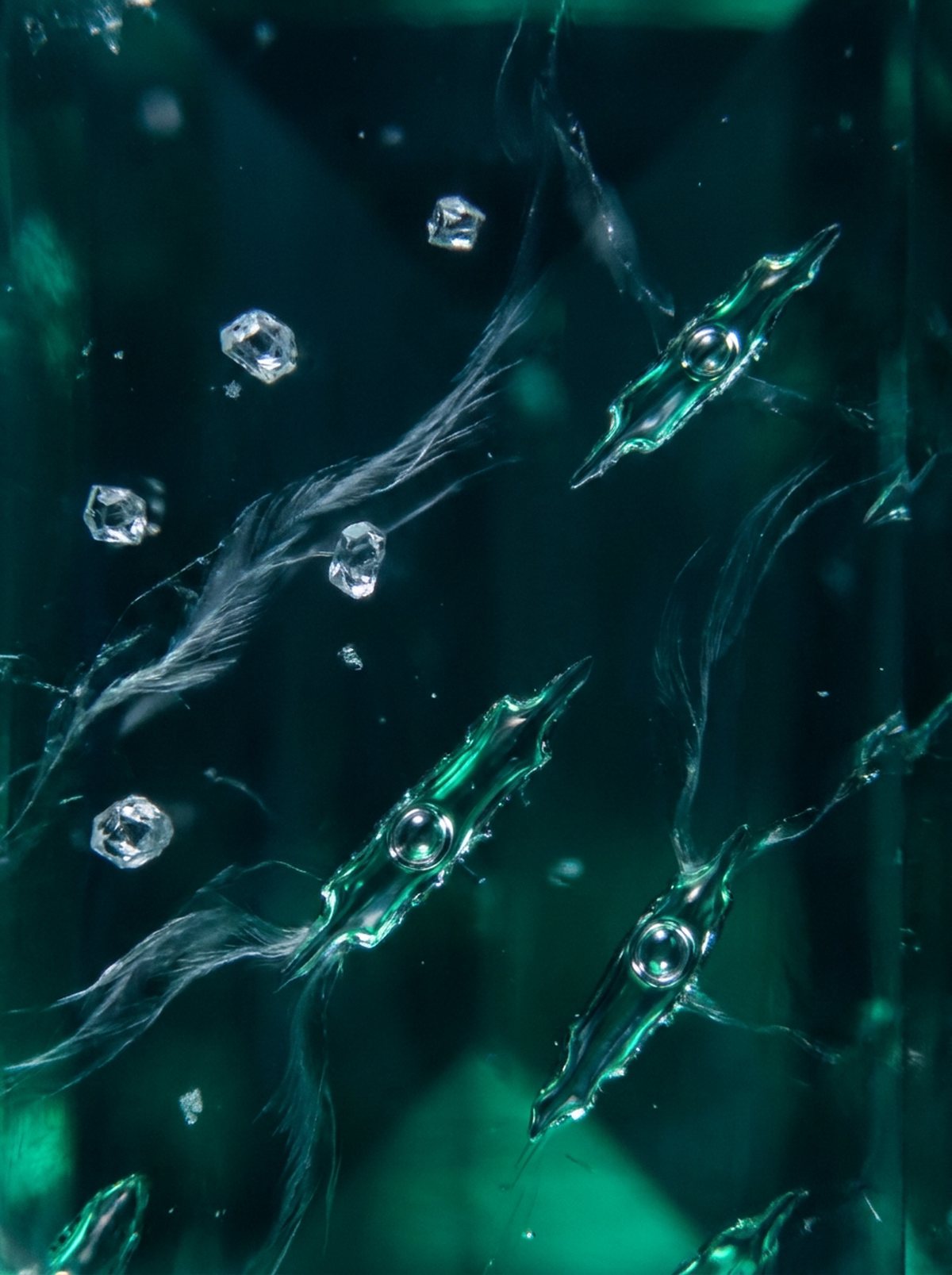
Heat leaves marks inside the stone. Silk that has partly dissolved looks like broken, dotted lines. Small crystals inside the stone expand faster than the corundum around them, crack it, and leave disc-shaped fractures with a halo around them. Labs read these signs under the microscope and confirm them with spectroscopy. When they find none, a report says "no indications of heating".
How it is disclosed
Heating is accepted by the trade, but sellers should disclose it, because it affects the price. In the American Gem Trade Association's codes, a heated stone is marked H. N means not enhanced, and a seller who marks a sapphire N is guaranteeing it was never treated. A fine unheated sapphire costs noticeably more than a heated one of the same look and size, and the gap widens as stones get larger and better.
Other treatments
Three other treatments are sometimes confused with plain heating, and each should be named on its own:
- Heat with residue. Some stones are heated with a flux that melts into fractures reaching the surface and partly heals them. Labs note how much residue remains.
- Beryllium diffusion. Heating with beryllium drives color into the stone and can turn pale sapphire orange, pinkish orange or yellow. It appeared in the early 2000s and is still sold today. Ordinary gem tests cannot detect it, so labs confirm it with chemical analysis.
- Lead-glass filling. Heavily fractured rubies can be filled with lead glass until the result is part glass. The glass is fragile: jewelers' pickling acids and even lemon juice can etch it. These stones sell far below the price of ruby and should be described as glass-filled or composite.
When we set a heated stone, the description says so. If a natural ruby or sapphire is offered as untreated, ask for the lab report that supports it.
Filed under Stones · June 15, 2026