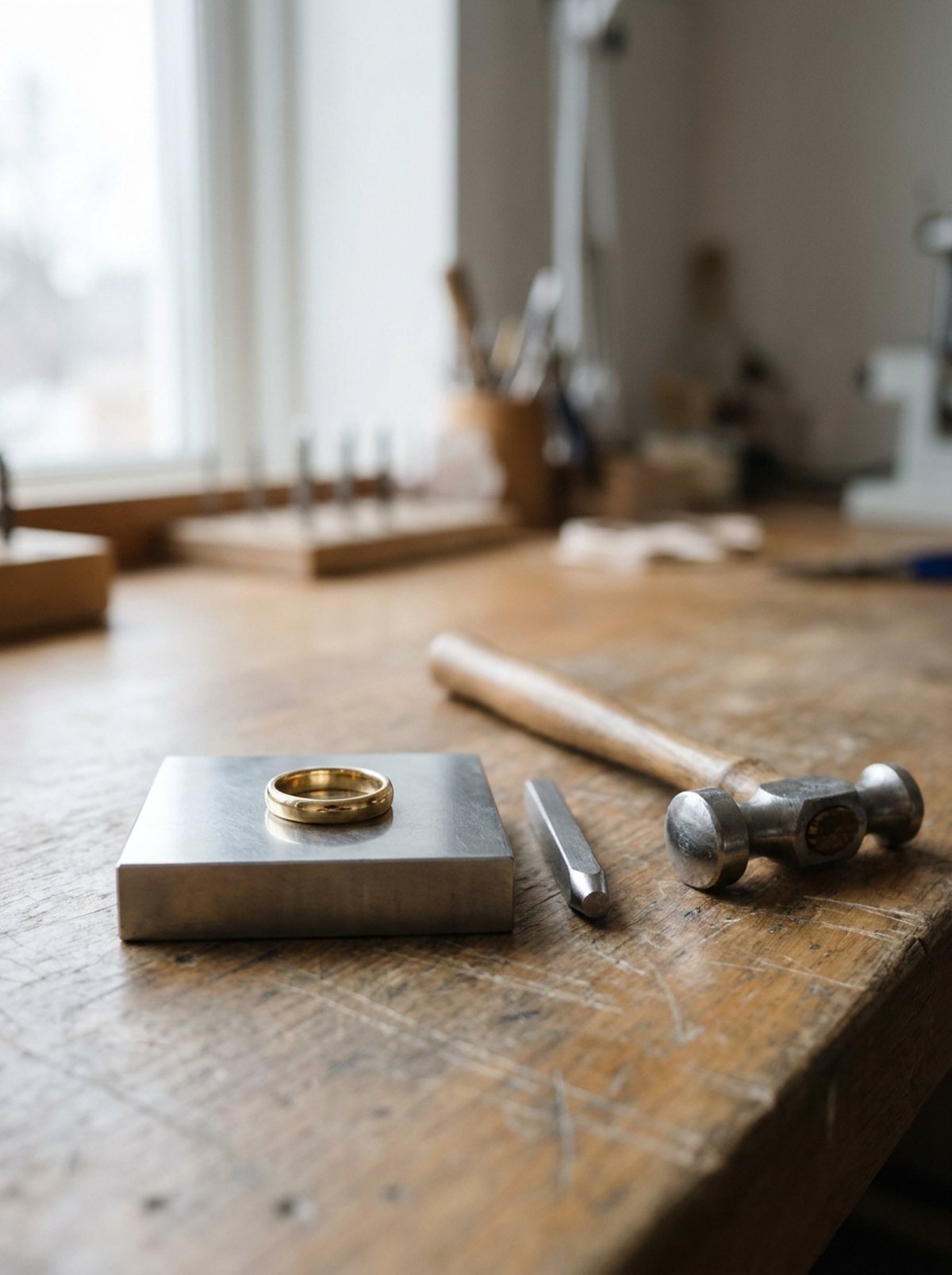
How a stone is set
Setting a stone in claws takes five steps and most of an afternoon. Each one is about fit.
Key points
- The setter cuts a level seat into each claw at the height where the girdle sits.
- Claws are closed a little at a time in opposite pairs to keep the stone centered.
- Tips are rounded so they don't catch, and the finished stone should not move or click.
In this article
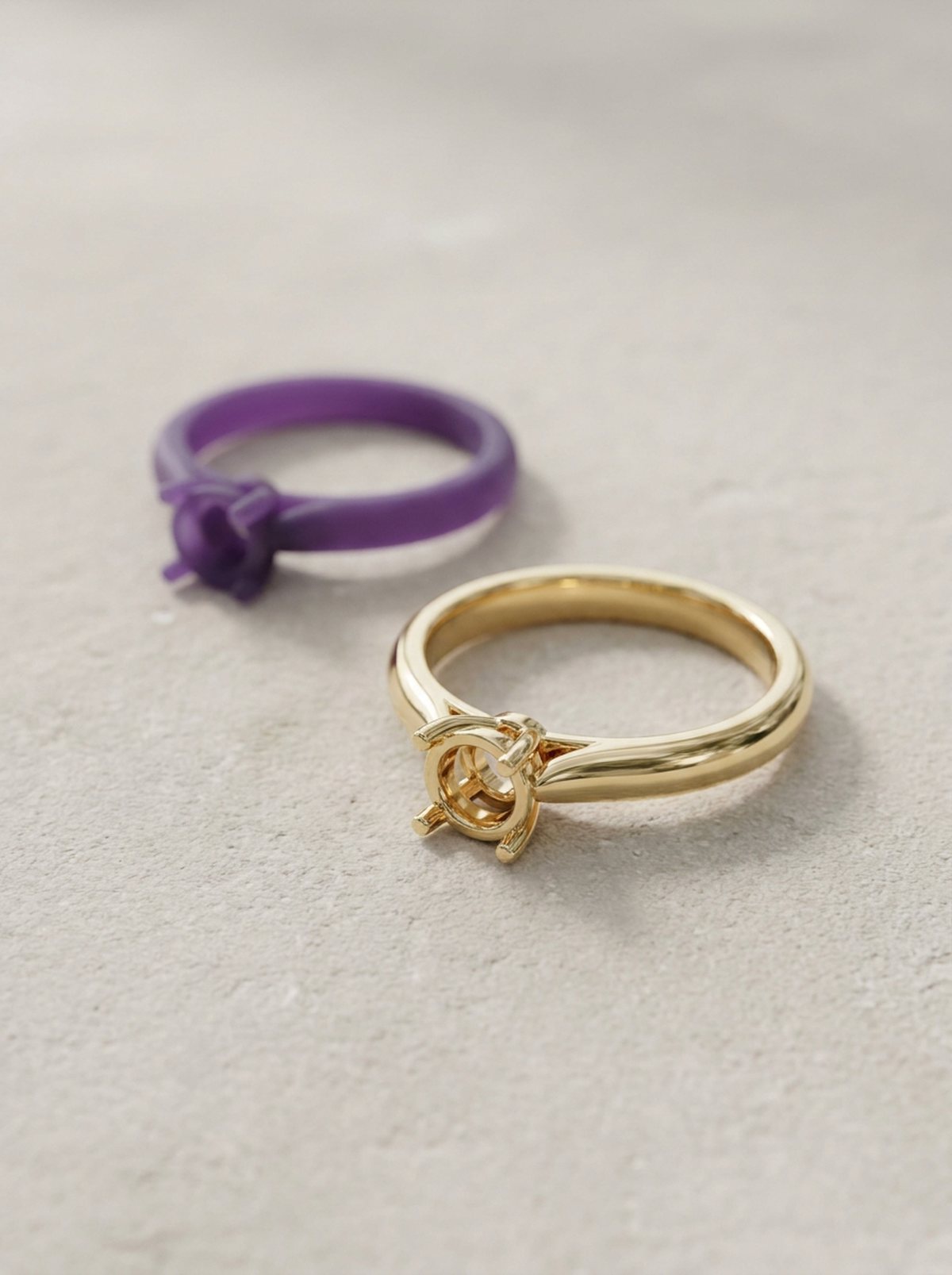
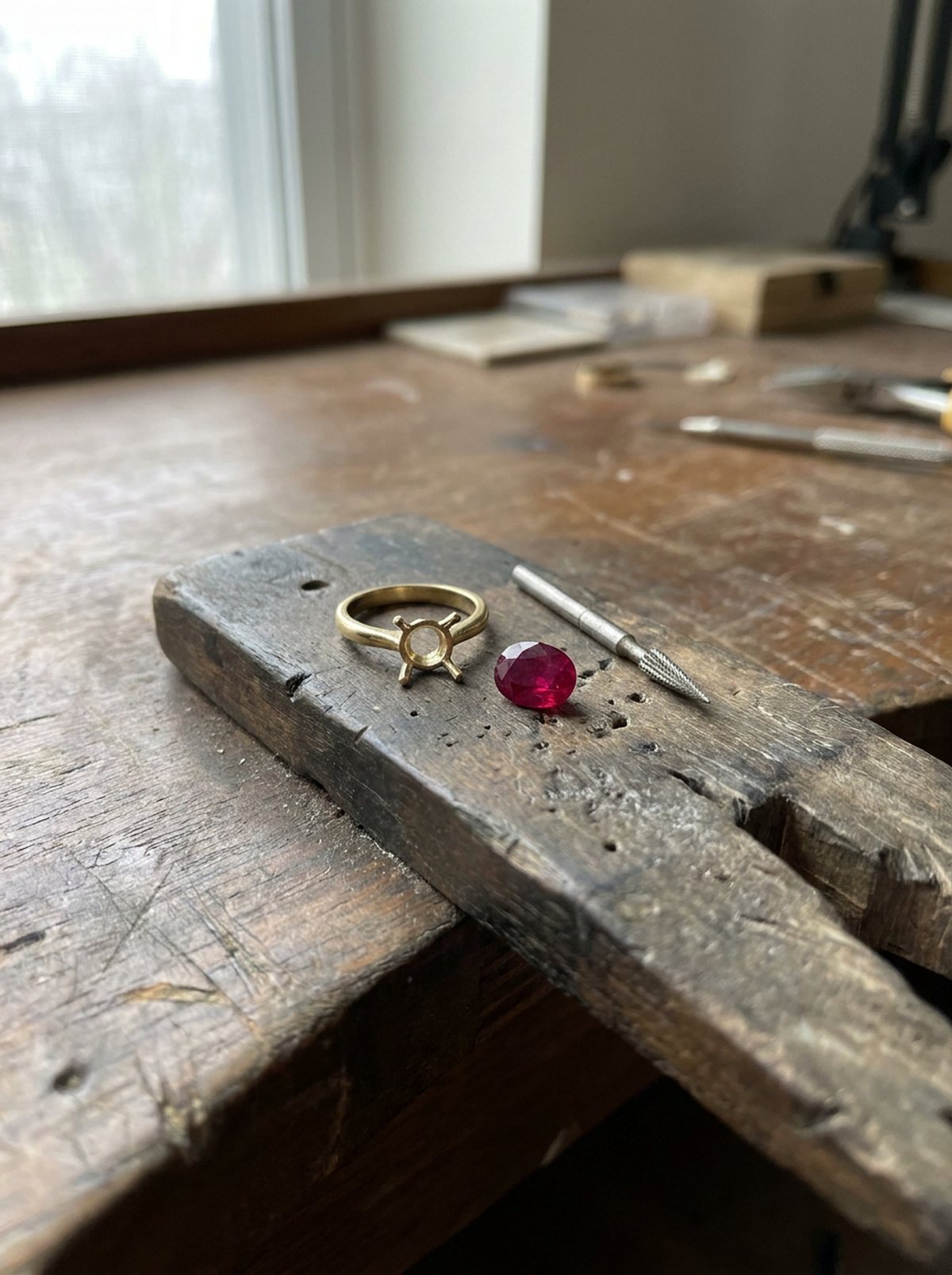
Setting is the last step before final polish, and the slowest. A cast ring reaches the setter with its claws standing straight up, a little taller than they need to be. The job is to cut a seat for the stone and close the metal over it without chipping the stone or leaving it loose. These are the steps for a four-claw setting like the one on our sapphire solitaire.
Check the stone
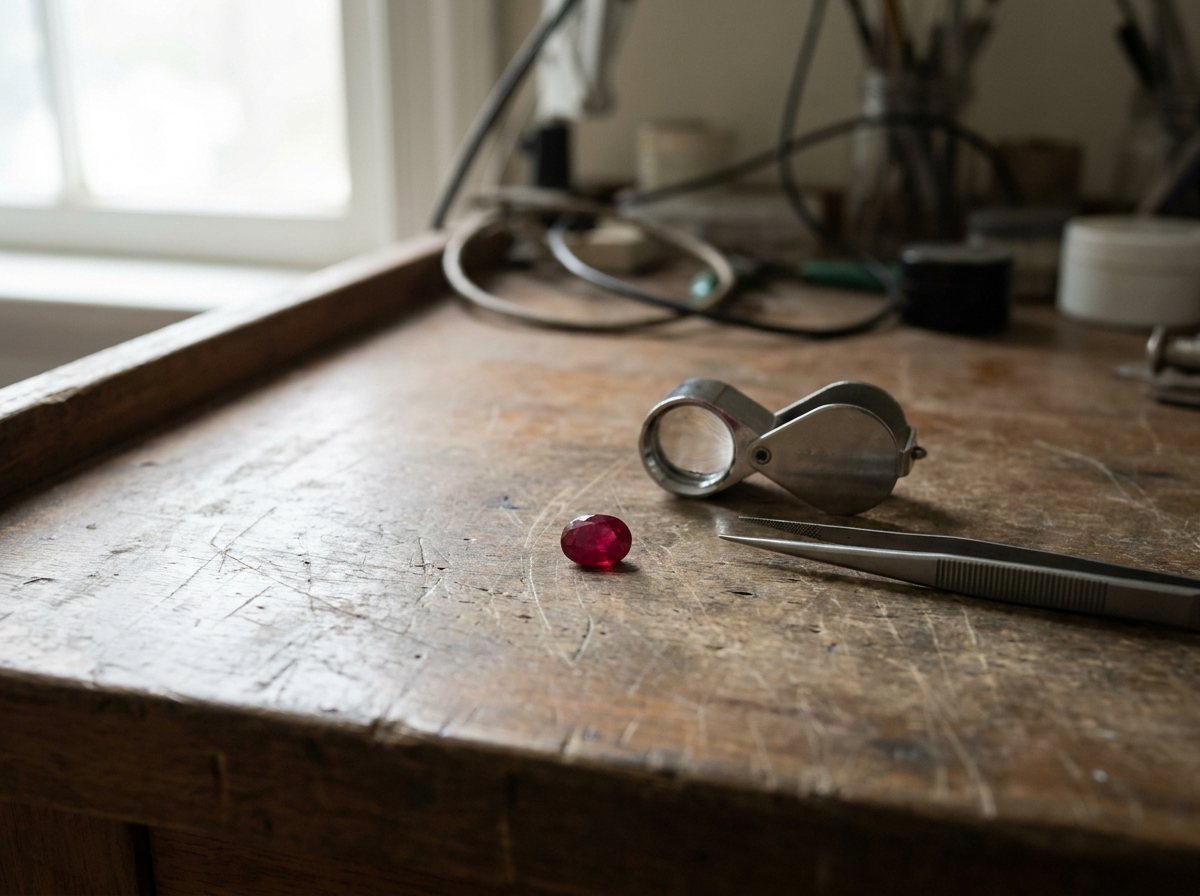
The setter measures the stone's length, width and depth and looks closely at its edge, called the girdle, for chips or fractures that could open under pressure. Some stones can't take the heat of a torch, so any soldering on the setting is finished before the stone goes in.
Cut the seats
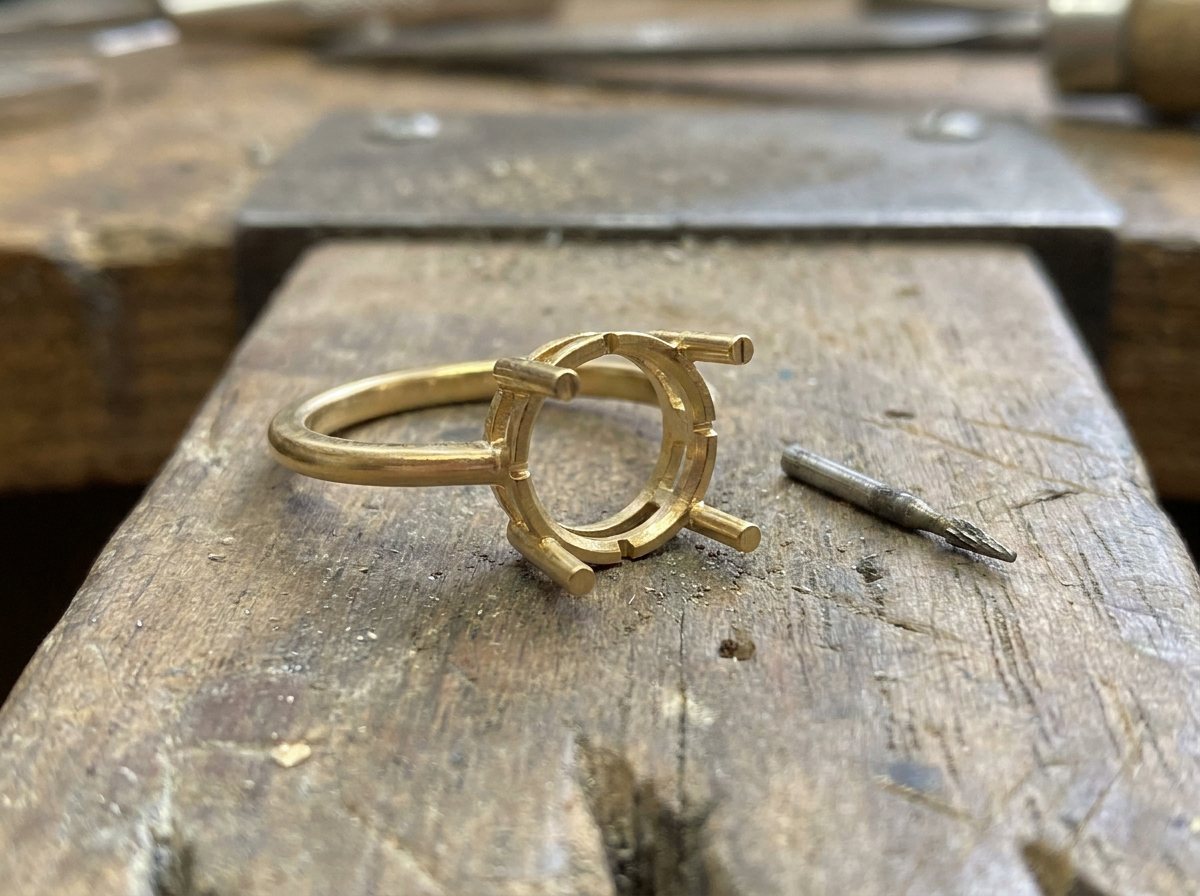
Each claw gets a small notch on its inside face, cut with a rotating tool called a setting burr, at exactly the height where the girdle will sit. The notches have to be level with each other or the stone sits tilted. The space underneath has to clear the point of the stone, so the stone rests only on the seats.
Seat and level the stone
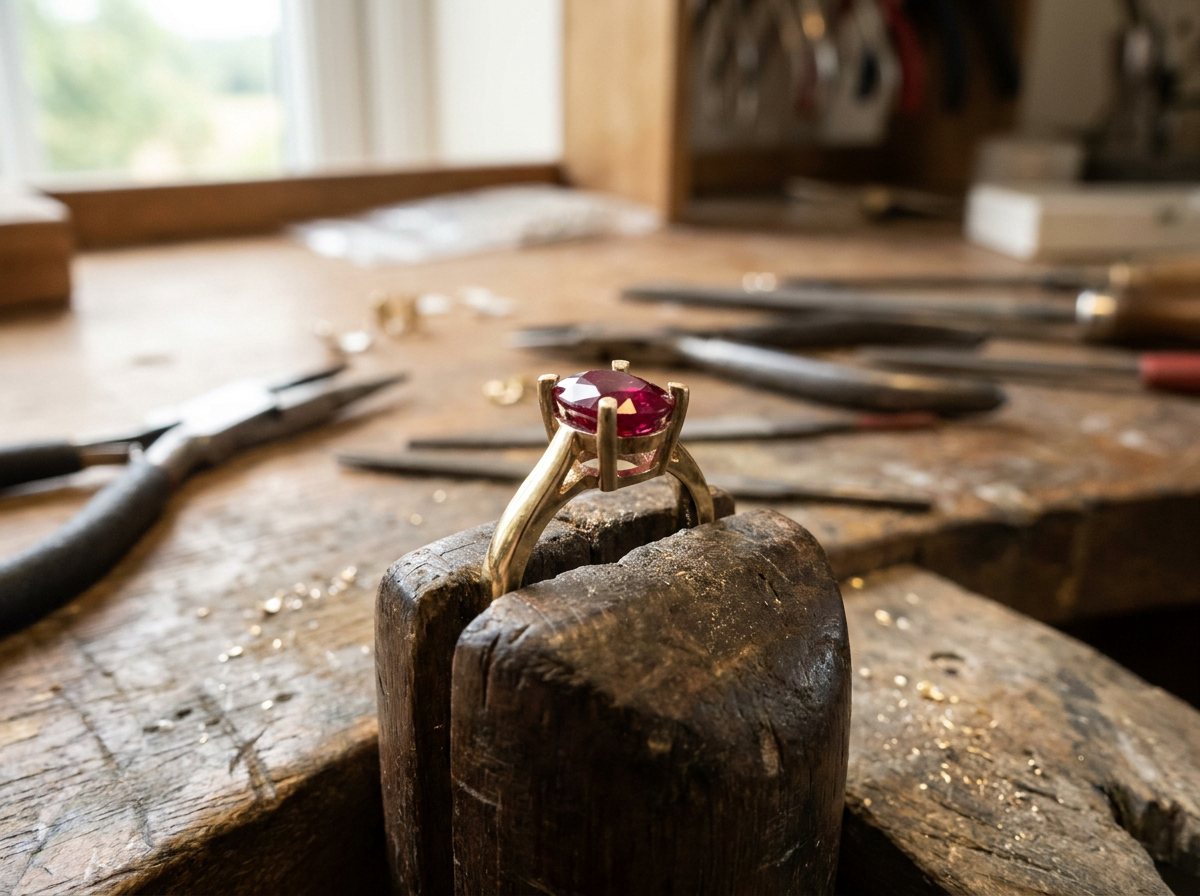
The stone goes into the seats and is checked from above and from every side. The table, the large flat facet on top, should be level and centered, and the girdle should rest in all four notches at once. If the stone rocks, the seats are adjusted.
Close the claws
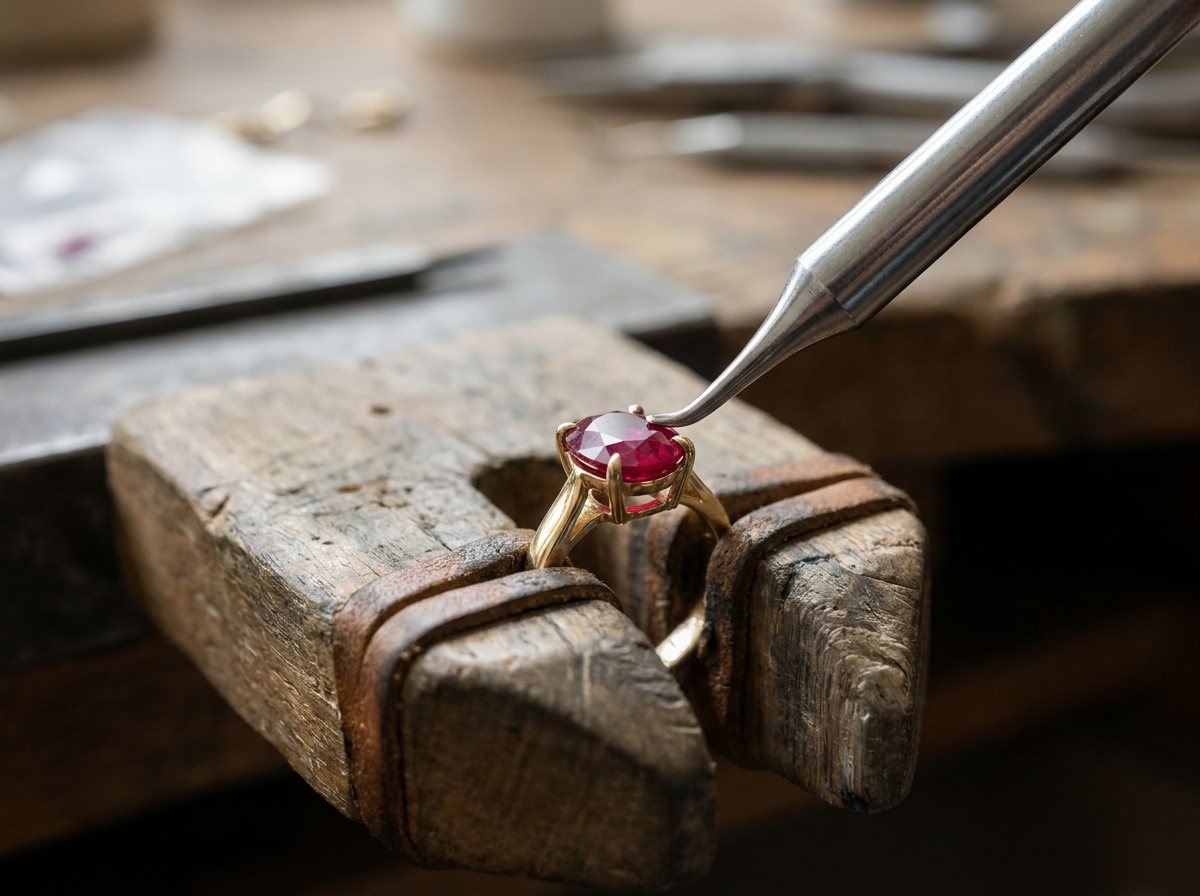
The setter presses each claw over the top of the stone with a pusher or setting pliers, working in opposite pairs, like tightening the nuts on a car wheel. Closing one claw fully before the others would push the stone off center. Each claw comes down a little at a time until the stone does not move when pressed.
Shape and polish the tips
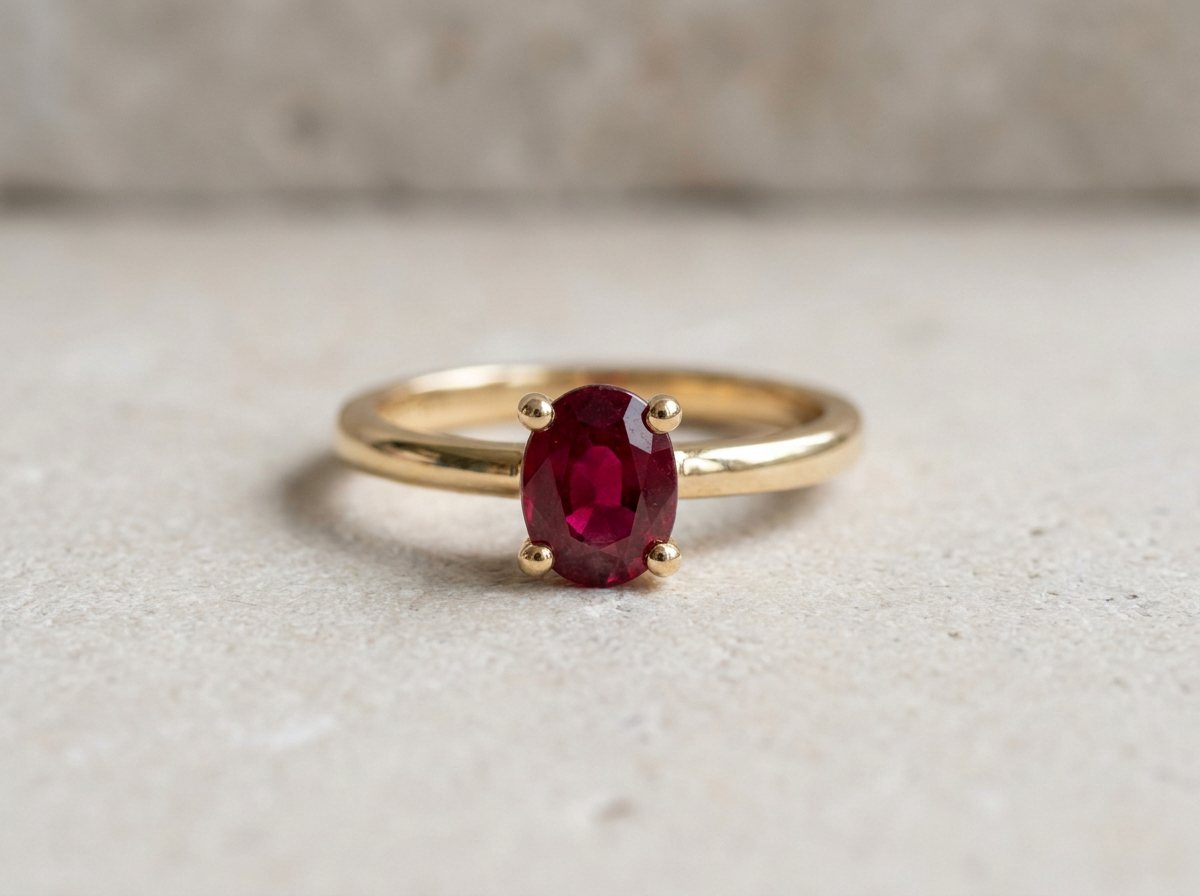
The claws are trimmed to length and the tips are rounded with a cup-shaped burr, so they sit low and don't catch on clothing. Then the ring gets its final polish. The setter checks the stone once more with tweezers and a loupe. It should not move or click.
A bezel setting follows the same idea with a continuous wall of metal, which is pushed over the stone a little at a time all the way around and then burnished smooth.
Filed under Making · July 28, 2026