Ruby and sapphire are the same mineral
Both are corundum. A trace of one metal or another decides which name a stone gets.
Key points
- There is no fixed line between pink sapphire and ruby, and naming varies by country.
- Ruby and sapphire are 9 on the Mohs scale and tough enough for a ring worn daily.
- Simple heating is permanent and widely accepted, and unheated stones of the same quality cost more.
Ruby and sapphire are both corundum, a crystal of aluminum and oxygen. Pure corundum has no color at all. The color comes from tiny amounts of other elements that got into the crystal while it grew, often less than one percent by weight.
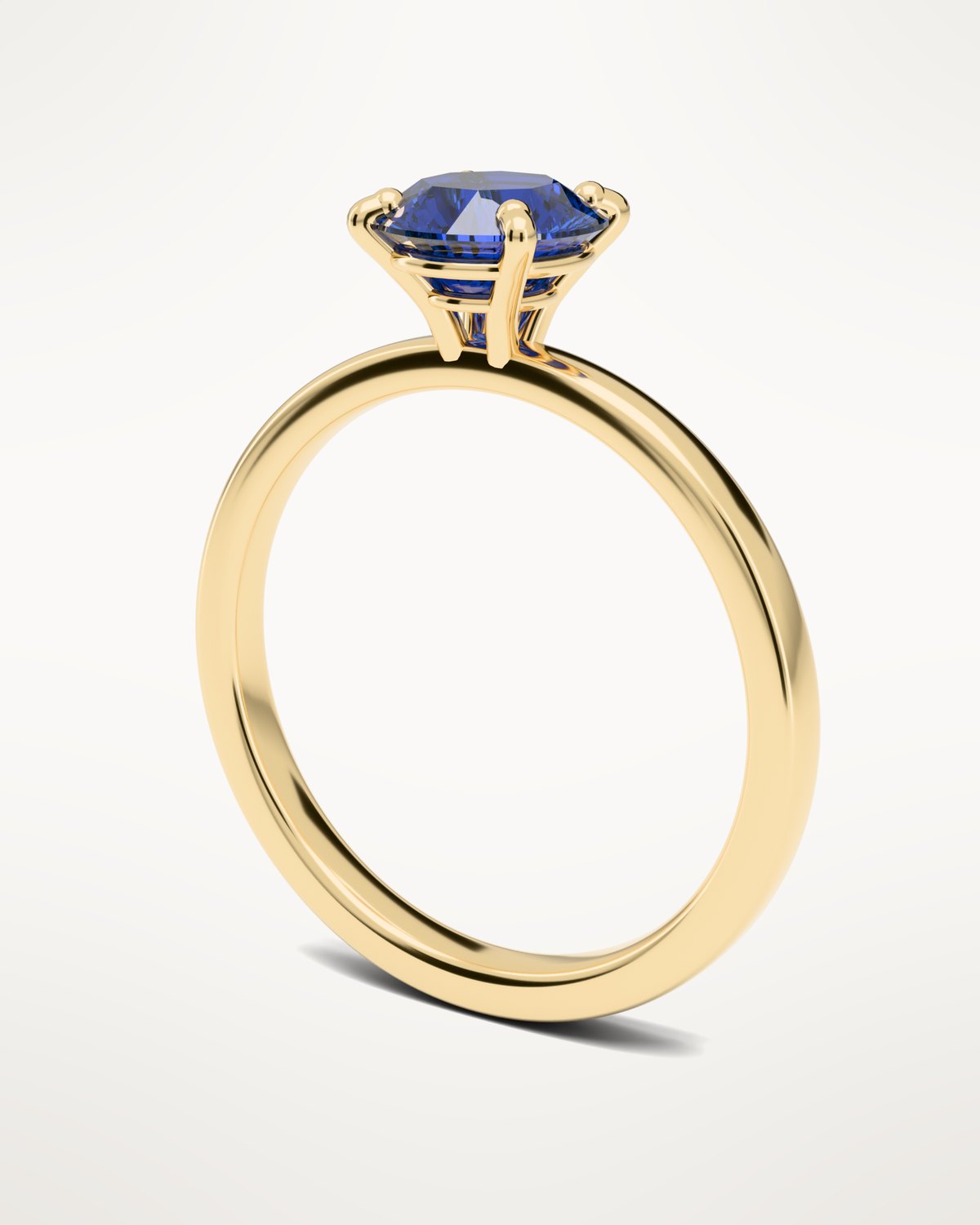
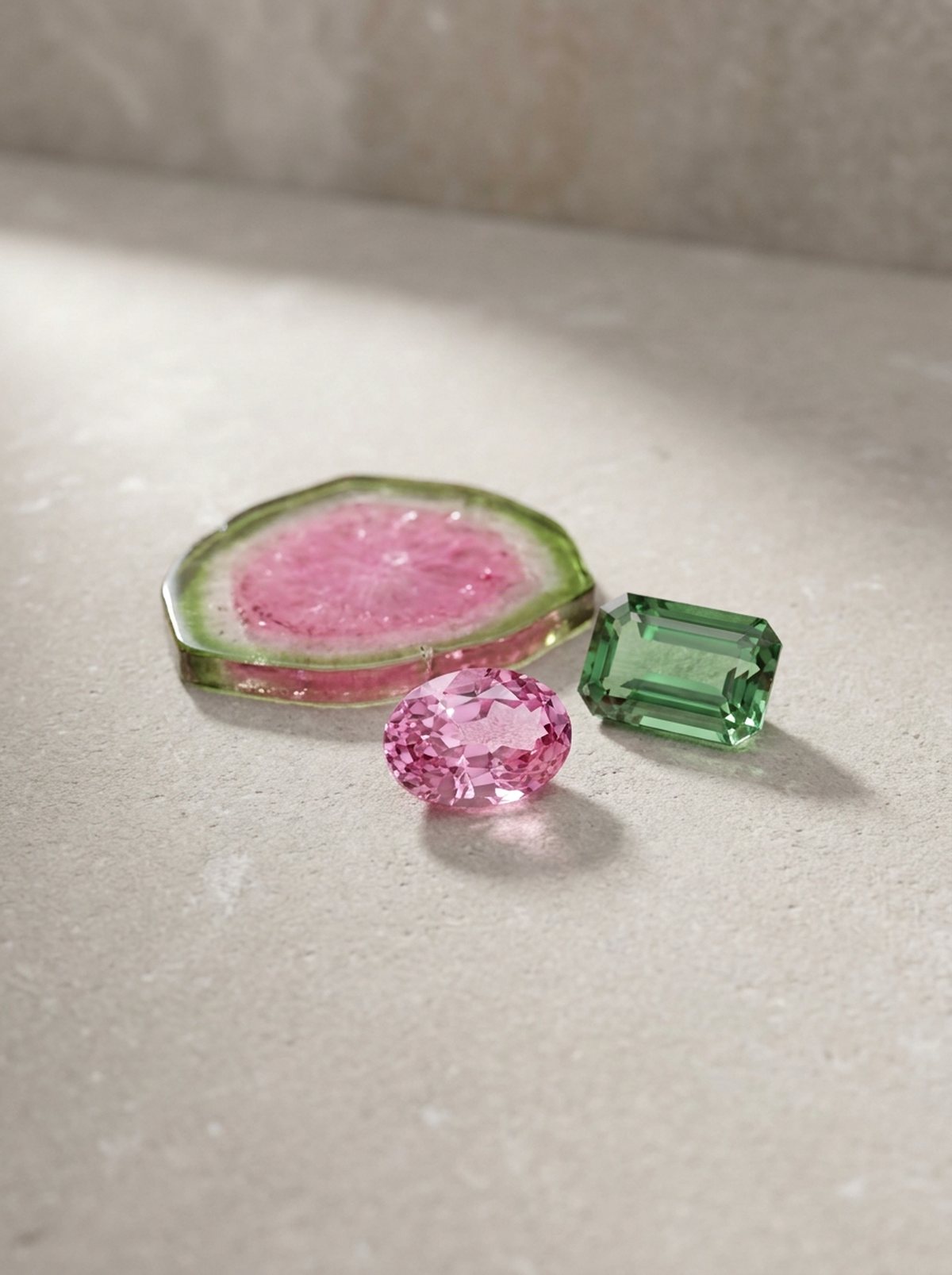
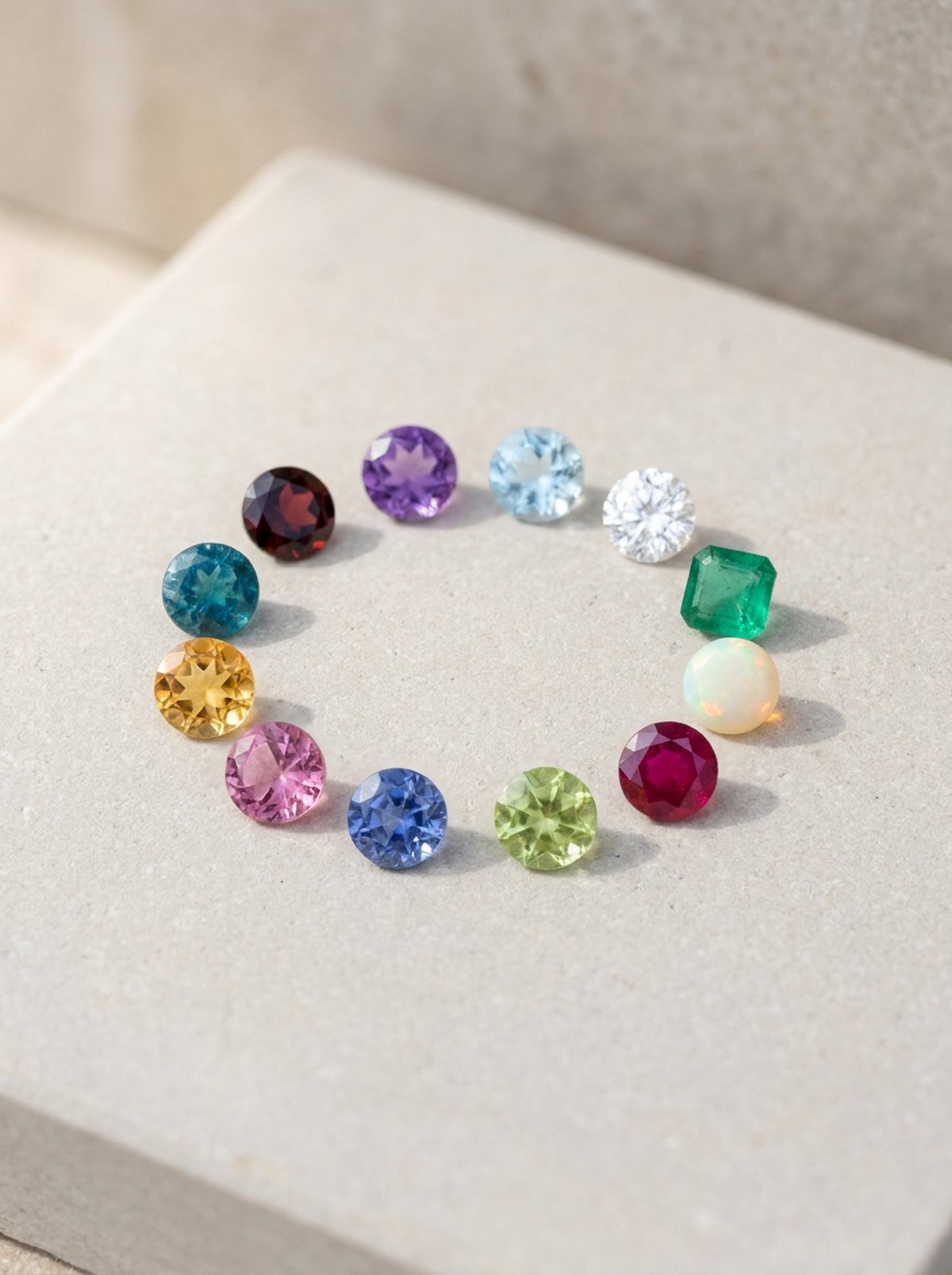
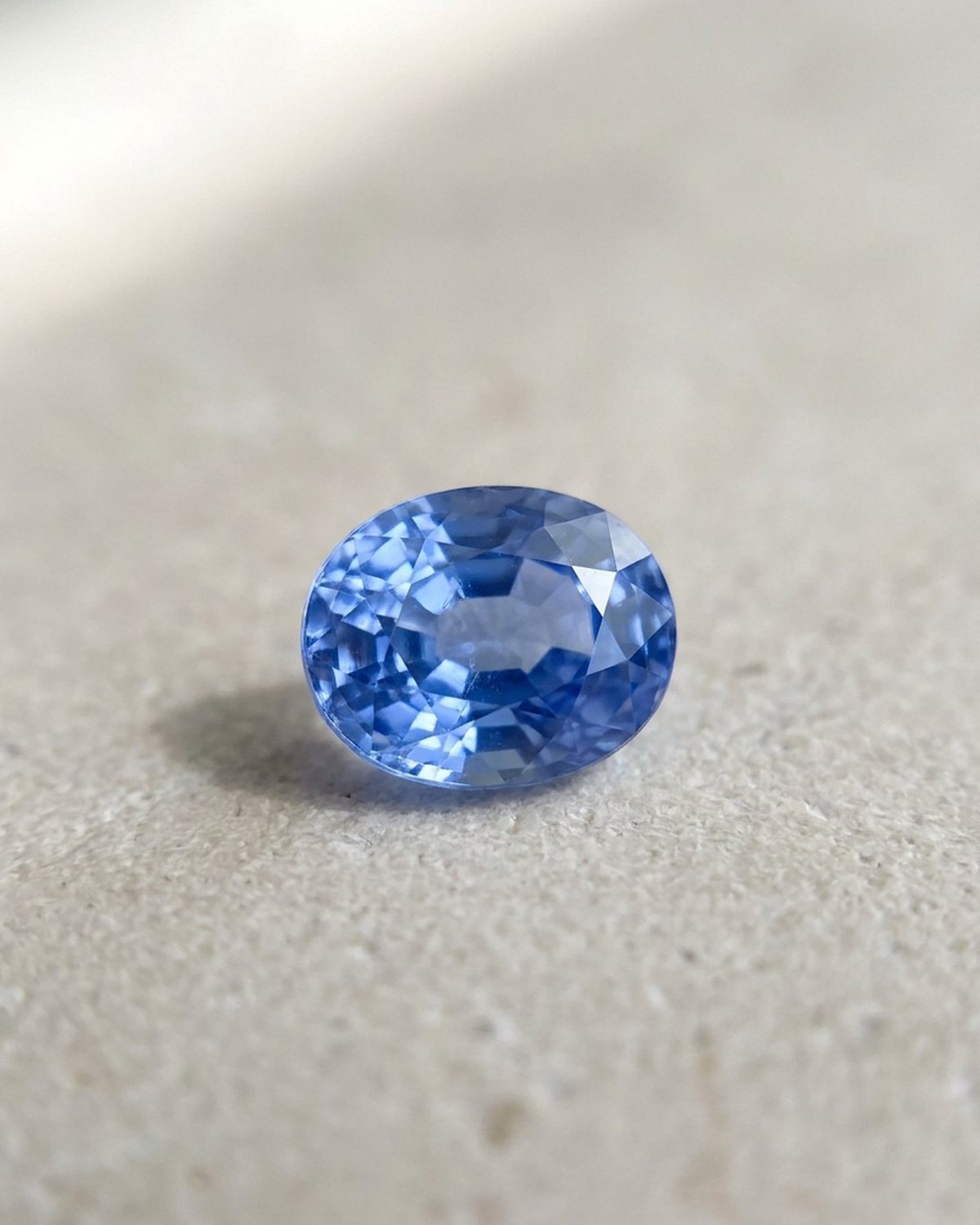
Chromium turns corundum red. When the red is strong enough, the stone is called a ruby. Iron and titanium together turn it blue, and a blue corundum is a sapphire. Every other color of corundum is also sold as sapphire: yellow, green, purple, orange, and the pink-orange the trade calls padparadscha. Gem dealers call these fancy sapphires.
Where pink becomes red
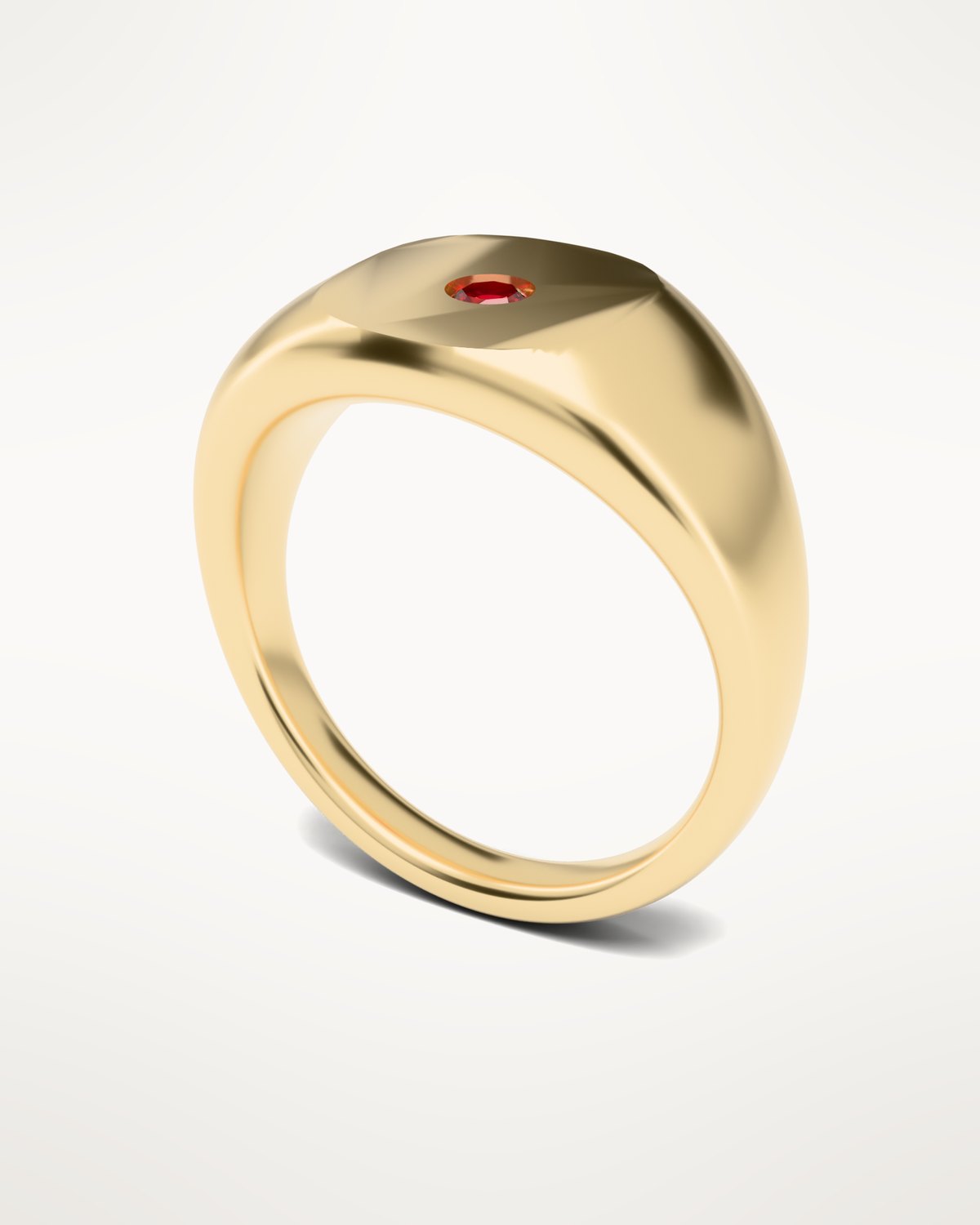
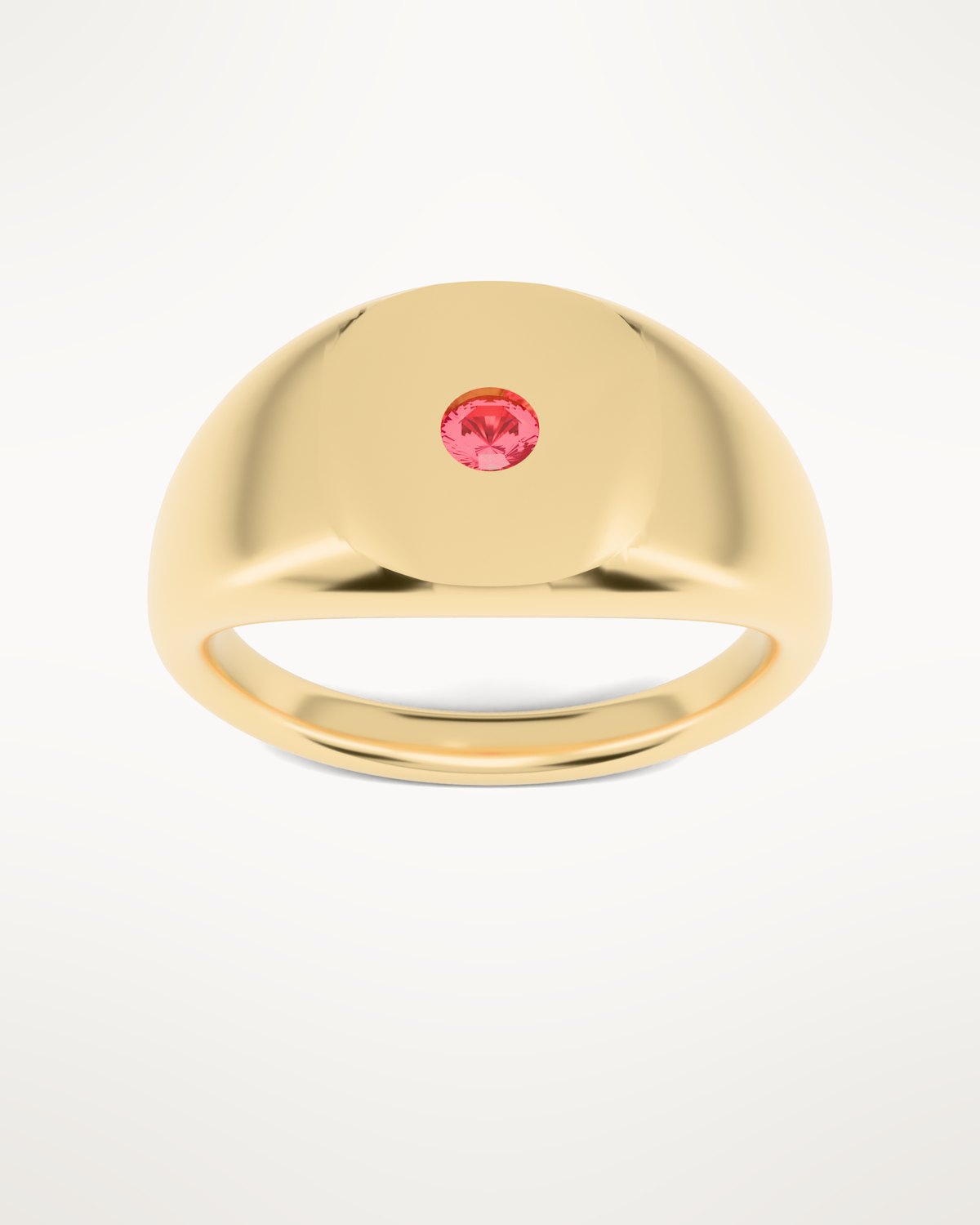
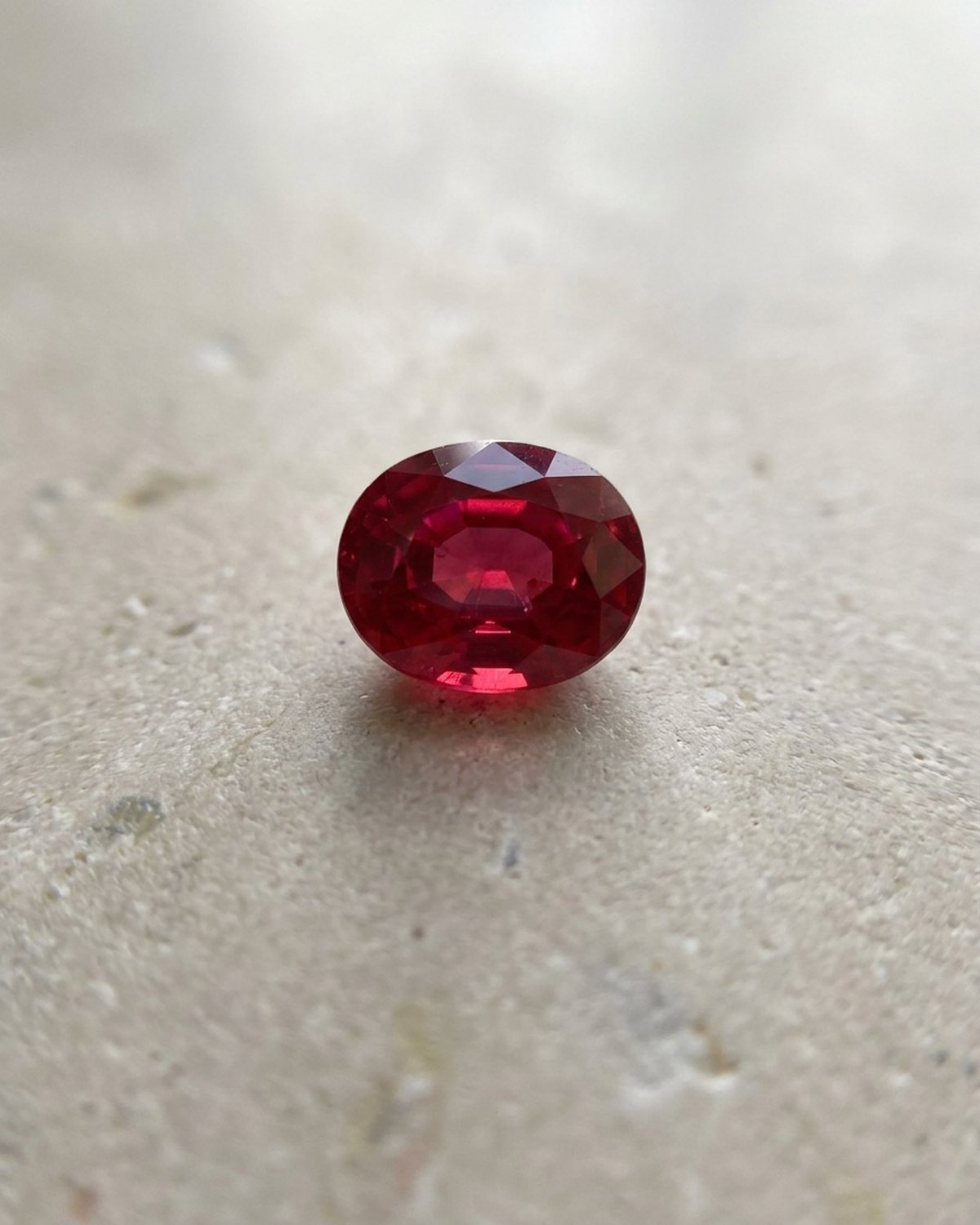
Chromium also makes pink. A pale stone with a little chromium is a pink sapphire, and a stone with more is a ruby, but there is no fixed line between the two.
Labs and dealers in the United States usually call a light, pinkish stone a pink sapphire. In some countries where rubies are mined, the same stone may be sold as a ruby. When you buy one, the name on the receipt matters less than the color you see and the description of that color.
What they share
Because the mineral is the same, ruby and sapphire behave the same way in a ring:
- Both are 9 on the Mohs hardness scale. Among common gemstones only diamond is harder, so they keep a crisp polish for decades.
- Both are tough. They chip far less easily than emerald or tanzanite, which makes them good choices for a ring you wear every day.
- Both are dense, about four times the weight of the same volume of water. A one-carat ruby is a little smaller than a one-carat diamond.
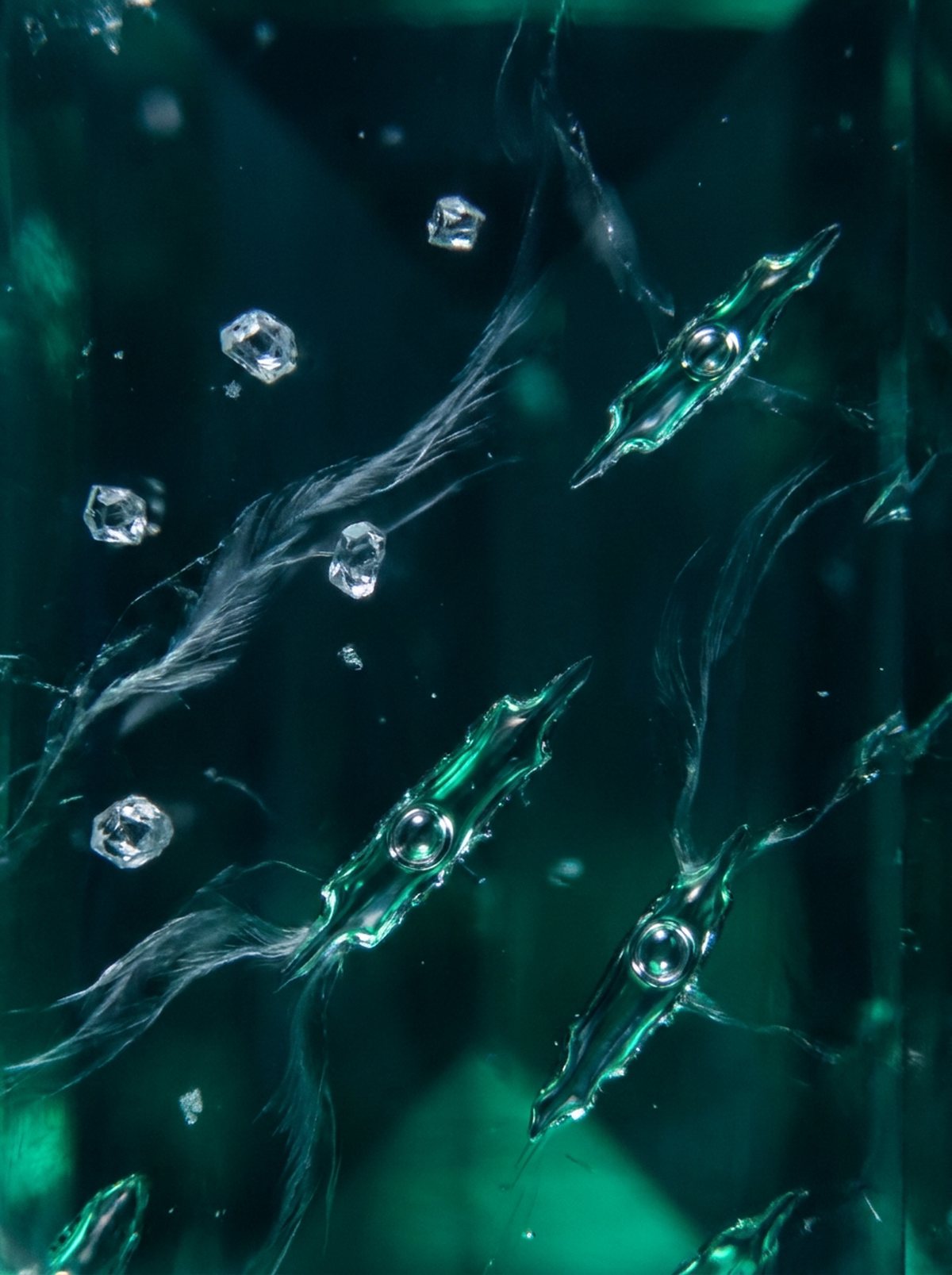
- Both are usually heated after mining to improve color and clarity. Simple heating is permanent and widely accepted, and an unheated stone of the same quality costs more. Some stones are instead filled with lead glass or colored by diffusion; these are worth less and need gentler cleaning. Every treatment should be disclosed.
What chromium adds
Chromium does one more thing. It makes corundum glow red under ultraviolet light, and daylight has enough ultraviolet to show it. Rubies with little iron, such as many from Myanmar, glow strongly, which is part of why their red looks so lively. Iron dampens the glow, so rubies with more iron, such as many from Thailand, look darker and more brownish-red.
The same mineral in a lab
In 1902 the French chemist Auguste Verneuil published a way to grow corundum by melting aluminum oxide powder in a flame. The method still makes most lab-grown ruby and sapphire, and the same crystal is used for watch glasses and the bearings in mechanical watches.
Lab-grown corundum has the same chemistry and hardness as a mined ruby or sapphire. It must be described as lab-grown, lab-created or synthetic, and it costs a fraction of the price.
Every ruby and sapphire we set is described in writing as natural or lab-grown, with any treatment stated.
Filed under Stones · April 7, 2026