Claws, bezel or halo
Three ways to hold a stone. Each shows it differently and asks for different care.
Key points
- Claws show the most stone for its size and should be checked once a year.
- A bezel covers the whole edge, so it suits emerald, opal, tanzanite and busy hands.
- A halo of small stones makes the center look larger and needs a yearly check.
A setting has two jobs: hold the stone securely and show it well. Claws, bezels and halos balance those jobs in different ways.
Claws
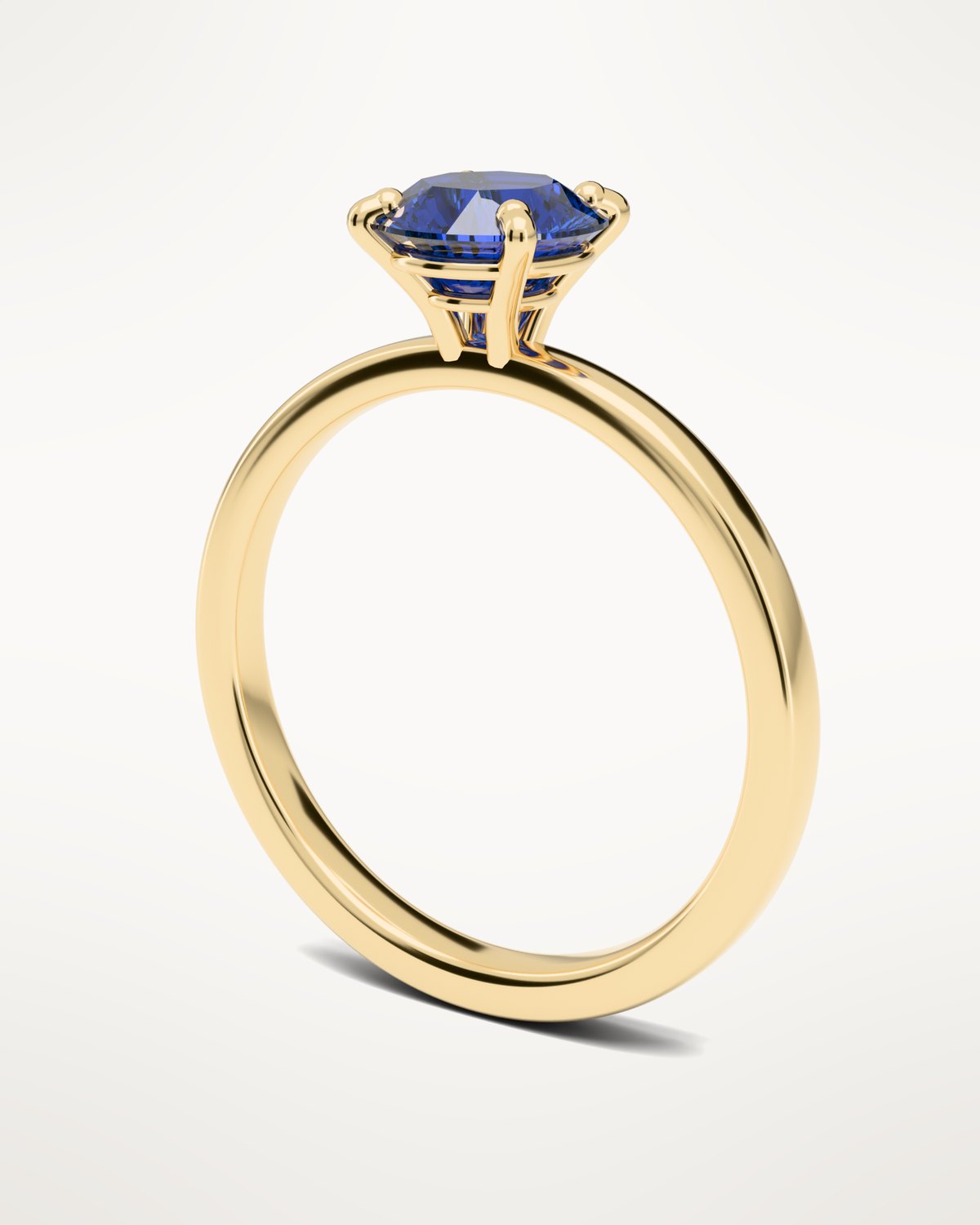
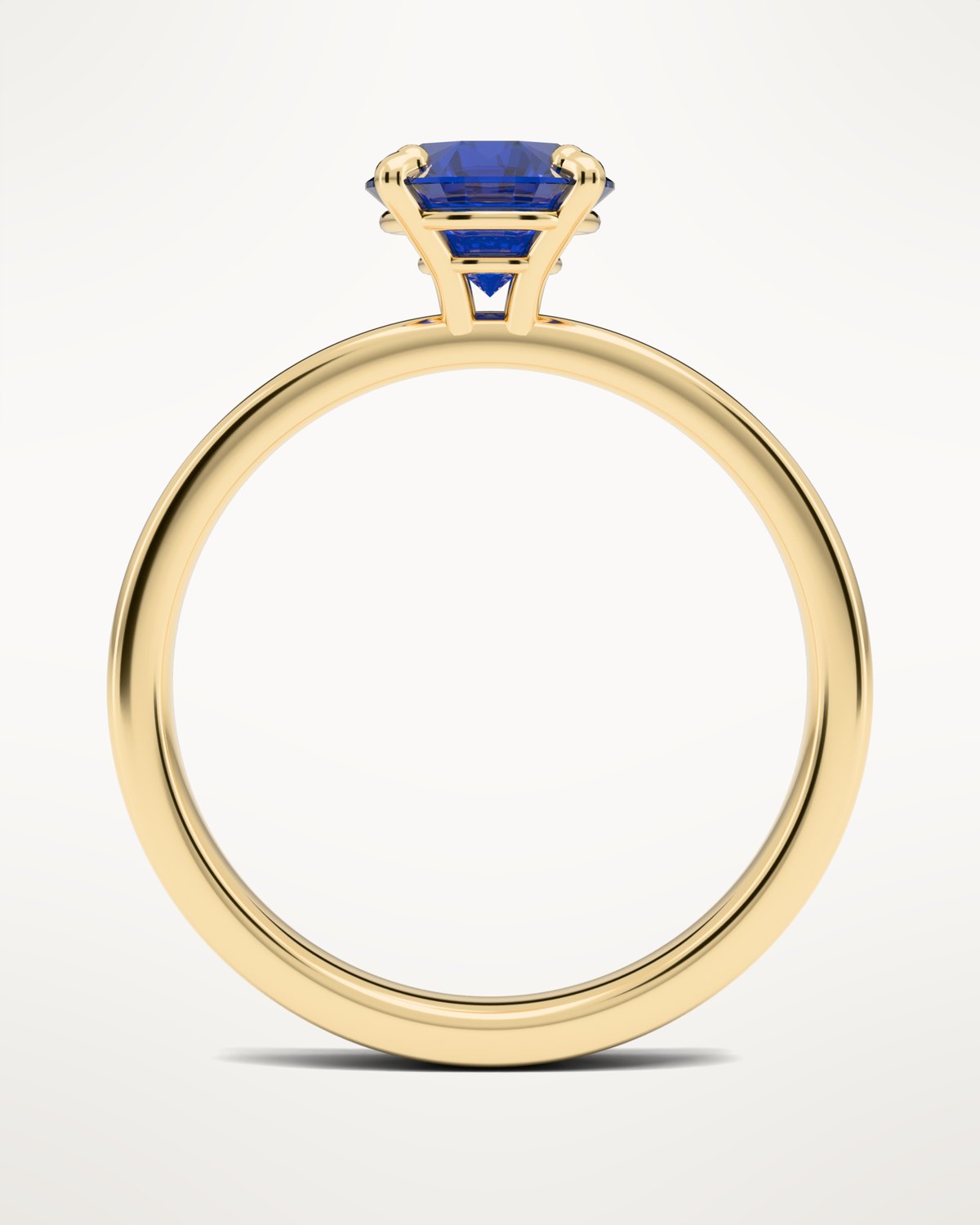
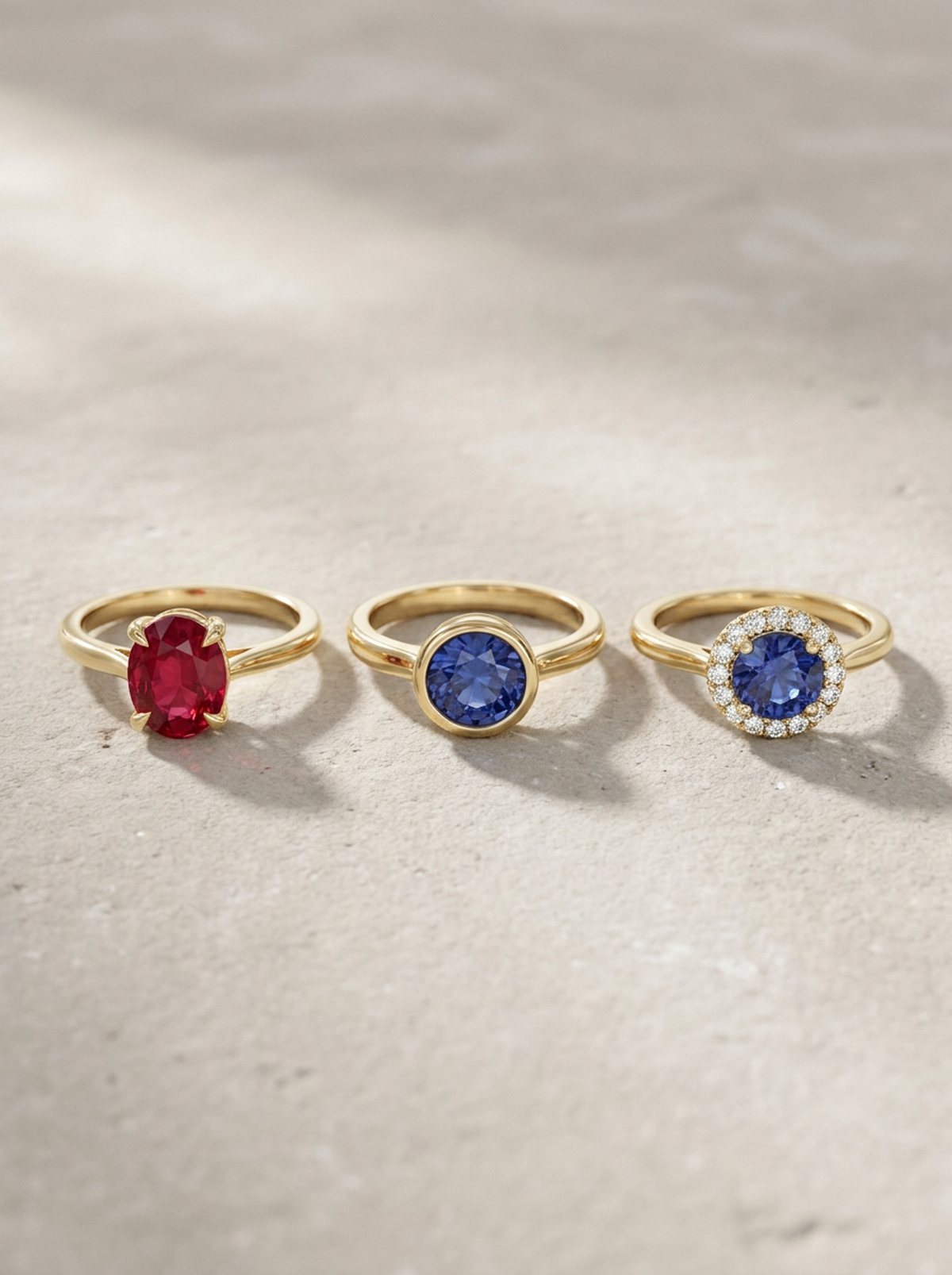
Claws, also called prongs, are thin posts of metal that rise around the stone and fold over its edge. Four or six is usual. Because they touch the stone at only a few points, claws let light in from the sides and show the most stone for its size. Our sapphire solitaire holds its round sapphire in four claws.
The edge of the stone is exposed between the claws, and the tips can catch on knitwear and hair. Gold wears, too: a claw that rubs against desks for years gets thinner. Have claws checked once a year and rebuilt or re-tipped when they wear.
Four claws show more of the stone and give an oval or cushion a slightly squarer outline. Six hold more securely and make the outline look rounder, and if one claw breaks, five still hold the stone.
Bezel
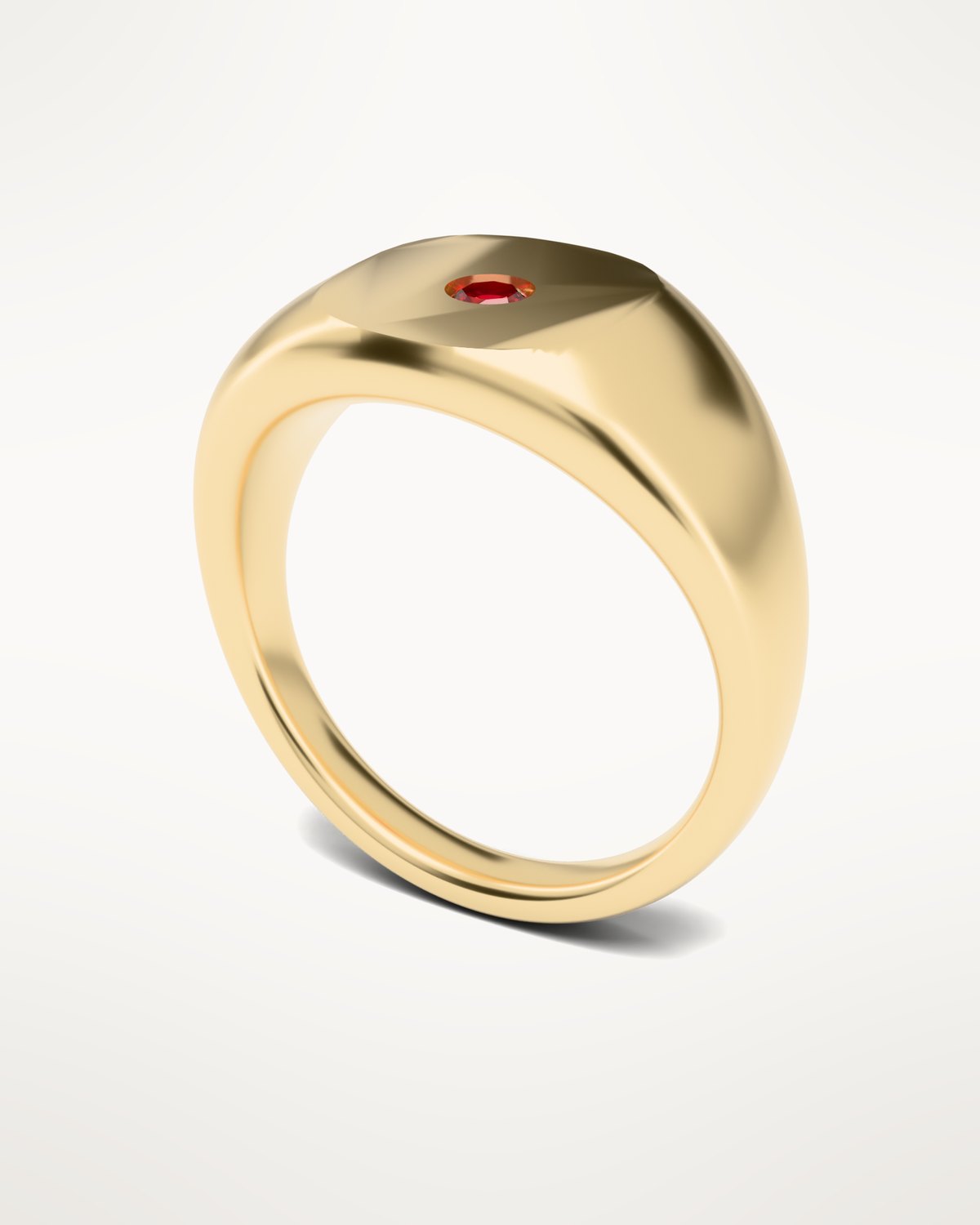
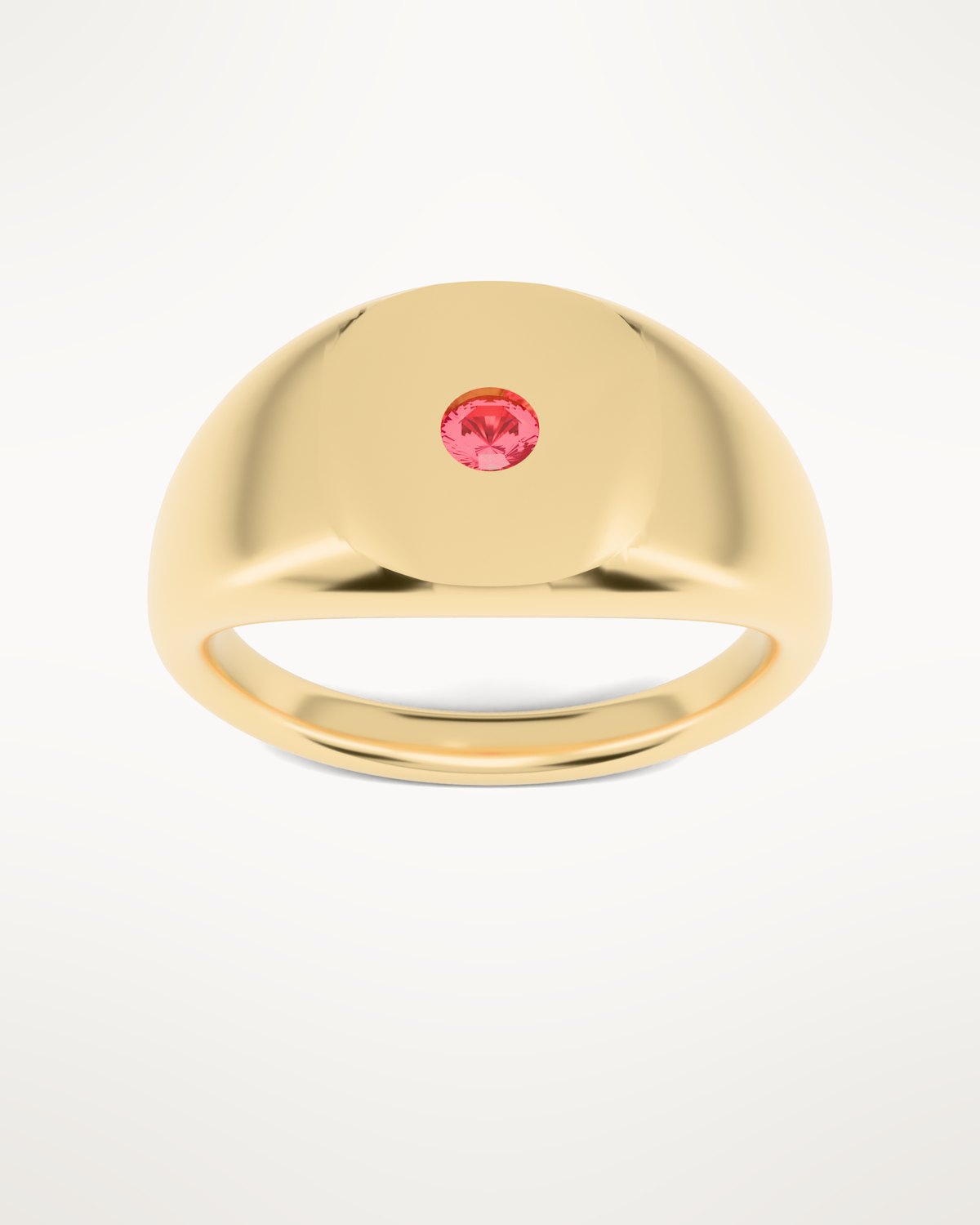
A bezel is a thin wall of metal that wraps the whole edge of the stone. It is the most protective setting. Nothing catches, and the girdle, the thin edge where most chips start, is fully covered. That makes a bezel a good choice for emerald, opal, tanzanite and other stones that chip easily, and for anyone who works with their hands.
A bezel lets less light into the sides of the stone, and a thick one makes the stone look a little smaller. A thin, polished bezel avoids most of that. Our east-west ring and oval pendant are both bezel set, with walls of 0.6 mm and 0.55 mm.
Halo
A halo is a ring of small stones, usually diamonds, set around the center stone. It makes the center look larger and adds sparkle around a colored stone that is calm on its own. The Blue Hour Pendant has a halo of small lab-grown diamonds around a round sapphire.
Halos need a little more care. The small stones sit in fine claws or beads of metal that can work loose over time, and the gaps between them collect lotion and soap. A gentle clean and a yearly check keep them tight.
Choosing
For a daily ring with a hard stone such as ruby or sapphire, claws show the most stone. Stones that chip easily, such as emerald, opal and tanzanite, are safer in a bezel, and so are rings for busy hands. A halo gives a modest stone more presence.
Filed under Settings · June 24, 2026